10 Brilliant Fishing Hacks That Actually Work (2026)
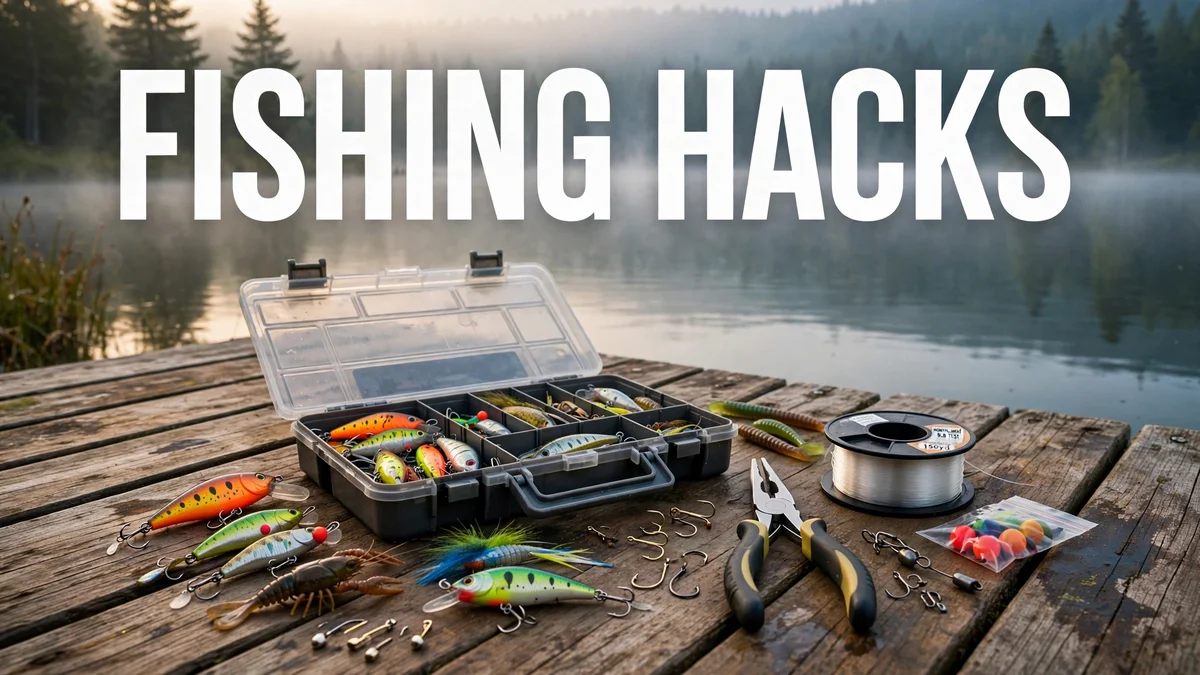
Short answer: The best fishing hacks are small rigging tweaks that save time and catch fish: pegging a Texas rig with a toothpick, marking line depth with a marker, oiling hooks against rust, and pre-rigging spare leaders at home. Each removes one small friction point between you and the next bite.
Every angler accumulates a personal set of shortcuts over the years, the little things that get learned the hard way, usually after losing a good fish or wasting half a morning retying rigs streamside. This list collects the ones that have genuinely held up over seasons of use, organized by where they help: tackle, bait, line and rigging, gear care, and on-the-water decision making. Nothing here requires special equipment, and each hack takes seconds once it becomes habit.
Tackle Hacks
1. Use a safety pin as an emergency hook keeper
Hook points dulled on rocks are a trip-ender if you have no spares. A large safety pin threaded through a soft plastic body makes a passable emergency hook in a pinch, the pin’s spring tension keeps the point exposed and the bait secured. It won’t match a real worm hook for hookup ratio, but it has saved more than one bank-fishing session.
2. Coat hooks lightly to slow rust
Carbon steel hooks start oxidizing the moment they meet humidity. After a trip, a thin wipe of reel oil or even the oily residue from a used soft-plastic bag across the hook points slows rust noticeably. Store rigged plastics point-up in the tray rather than loose in a pile, and hooks last two to three times longer between replacements.
3. Pre-rig spare leaders at home
Wind knots, snags, and bluefish teeth all end leaders early. Pre-tying three or four complete leaders, swivel, leader line, hook or lure, and coiling each into its own small zip bag means a breakoff costs ninety seconds instead of ten minutes. Label the bags with line test and lure so the right one is grabbed without thinking.
Bait Hacks
4. Salt your soft plastics for tougher baits
Soft stick baits tear at the hook slot after a few fish. A brief soak in heavily salted water firms the plastic slightly and makes each bait last noticeably longer. The added salt also leaches scent slowly, which is part of why salt-impregnated baits have been a staple design for decades.
5. Keep live bait lively with temperature control
Minnows and shiners die fast in a warm bucket. A frozen water bottle dropped in the bait bucket keeps water cool for hours without diluting it the way loose ice does. Lively bait swims harder and gets hit harder, lethargic bait hanging motionless is routinely ignored by the same fish that crush an active one.
6. Revive dried-out soft plastics
Plastics left in a hot car go stiff and lose their action. Soaking them overnight in warm water with a drop of fish attractant restores most of the suppleness. Baits that have gone permanently gummy or melted together, though, should be discarded, deformed tails swim wrong and cost bites.
Line and Rigging Hacks
7. Mark trolling and drop depths on your line
When a productive depth is found, say, walleye suspended at 18 feet, a permanent marker band on the line at the rod tip (or a small piece of bobber-stop thread) lets that exact depth be repeated on every subsequent pass. It is the simplest depth-control system there is, and it works on any rod without electronics.
8. Peg a Texas rig with a toothpick
In heavy cover, a sliding bullet weight separates from the bait on the fall and hangs up. Jamming a round toothpick through the weight’s bore and snapping it flush pegs the weight tight to the nose of the plastic. The rig punches through matted grass and lily pads as one unit instead of two, which is exactly when the biggest bass bite.
9. Use a rubber band as an adjustable bobber stop
Slip bobbers need a stop that slides for adjustment but holds under casting force. A small rubber band tied around the line with a simple overhand knot does the job, costs nothing, and can be repositioned in seconds. Trim the tag ends short so they pass through the guides cleanly.
Gear Care Hacks
10. Clean guides and reel seats with a toothbrush
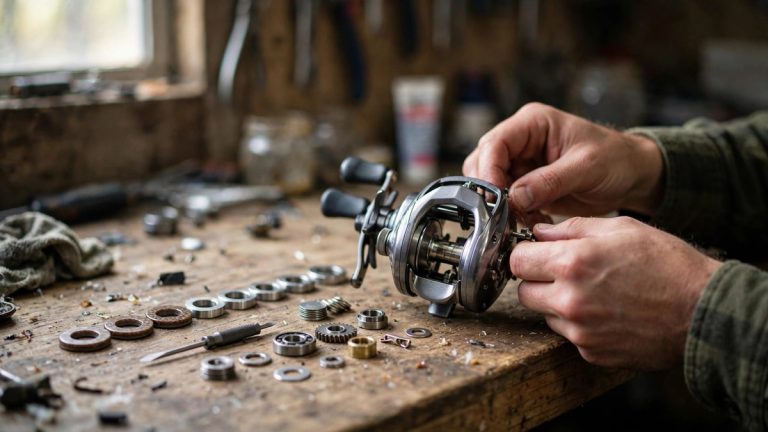
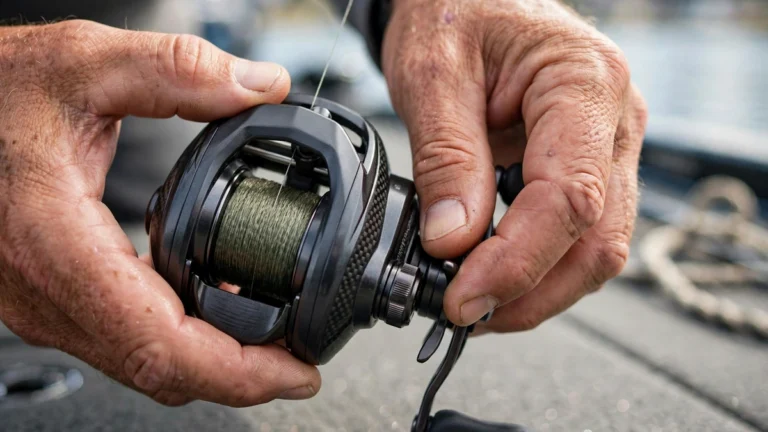
An old toothbrush lives in every serious tackle bag for a reason. Salt, sand, and algae build up in rod guides and under reel seats, and that grit is what scores line and corrodes hardware over a season. A thirty-second scrub with the brush and a rinse after saltwater trips adds years to a rod’s life. For a deeper routine, see our guide on how to clean and maintain a baitcaster reel.
On-the-Water Decision Hacks
Fish the conditions, not the clock
The single highest-leverage “hack” is timing. Low-light windows, the first and last ninety minutes of daylight, consistently outproduce midday, and a falling barometer ahead of weather fronts turns fish aggressive. Checking conditions before choosing when to go beats any tackle trick; our breakdown of the best fishing times covers the patterns in detail.
Downsize when the bite goes quiet
When follows and short strikes replace committed bites, dropping one full size in lure profile and line diameter restarts the action more often than switching colors. A 1/8 oz jighead where a 1/4 oz was being thrown, or 6 lb line instead of 10 lb, presents the same meal with far less suspicion attached.
Hacks for Specific Situations
Night fishing: charge glow lures with a camera flash
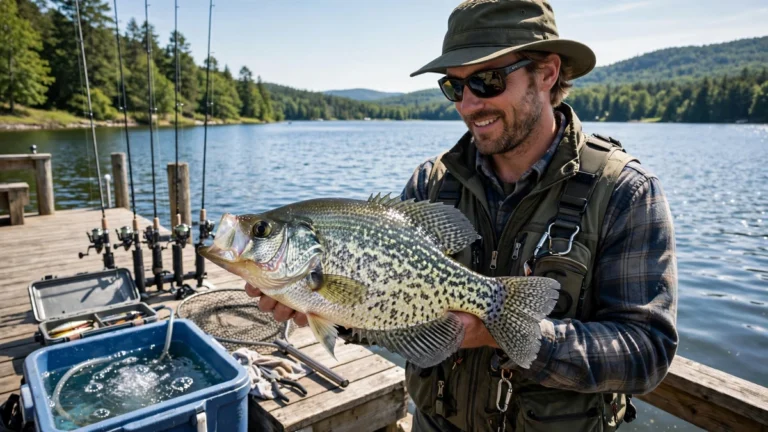
Glow-in-the-dark jigs and spoons need a strong charge to glow brightly, and a phone’s camera flash does it in two or three pops, far faster than holding them under a headlamp. Charge the lure, kill all white light, and fish it in the dark for walleye and crappie, which feed aggressively after sunset. Red headlamp mode preserves night vision while retying.
Cold fronts: slow down and fish tighter to cover
The day after a front pushes through, the bite gets tough as fish pull tight to cover and suspend. The hack is a discipline one: fish half as fast, cast twice as close to stumps, docks, and weed edges, and let the bait sit twice as long. Most anglers fish through these days too quickly; the ones who deliberately slow down still catch fish.
Bank anglers: the five-lure limit
Carrying the whole tackle shop on foot leads to decision paralysis. Picking five lures the night before; one topwater, one crankbait, one jig, one soft plastic rig, one spinnerbait; and leaving the rest forces each one to be fished properly instead of switching every ten casts. Constraint sharpens focus, and focused fishing catches more.
Hacks That Can Backfire
Honesty requires the other side of the ledger. Scent products applied too heavily can repel as easily as attract, a light touch is the rule. DIY hook sharpening with a file works, but one stroke too many weakens the point and it snaps on the hookset. And no hack compensates for dull hooks, frayed line, or fishing dead water at noon in August. The fundamentals; sharp hooks, fresh line, fish-holding cover, and the right window; still decide most days. For a broader foundation, our general fishing tips and how to catch a bass guides cover the base skills these hacks build on.
Frequently Asked Questions
What is the easiest fishing hack for beginners?
Pre-rigging spare leaders at home. It requires no skill, costs nothing, and turns every breakoff from a ten-minute retying session into a ninety-second swap.
Do fishing hacks actually help you catch more fish?
The rigging and timing hacks do, pegging weights, marking depths, and fishing low-light windows all have direct effects on presentation and opportunity. Tackle-organization hacks mostly save time, which indirectly means more casts in the water.
How do you keep fishing hooks from rusting?
Dry them after every trip, store them point-up rather than loose, and wipe the points with a light coat of reel oil. Stainless and tin-plated hooks resist rust far longer than plain carbon steel in saltwater.
What household items are useful for fishing?
Safety pins (emergency hook keepers), toothbrushes (guide and reel cleaning), zip-lock bags (leader storage and tackle organization), rubber bands (bobber stops), and frozen water bottles (bait bucket cooling) all earn their place.
Can you revive dried-out soft plastic lures?
Usually, yes, an overnight soak in warm water with a drop of fish attractant restores suppleness to stiffened plastics. Baits that have melted together or gone permanently gummy should be thrown out.
What is the best depth marker hack for trolling?
A permanent marker band on the line at the rod tip, or a sliding bobber-stop knot, lets a productive depth be repeated exactly on every pass without any electronics.
Related Reading
- Best Fishing Times, when the hacks matter most
- Tips for Fishing, foundational skills
- How to Catch a Bass, put the rigging hacks to work
- Different Types of Baits, match the hack to the bait