Best Baitcasting Rods for 2026 — Tested & Reviewed
As an Amazon Associate we earn from qualifying purchases.
Updated 16 October 2026
The short answer: For most anglers, the best baitcasting rod in 2026 is a 7-foot medium-heavy, fast-action casting rod. The Shimano SLX A is our top overall pick — near-premium sensitivity and casting feel for about $100. For dedicated bass fishing, the St. Croix Mojo Bass is the best-regarded option in its class.
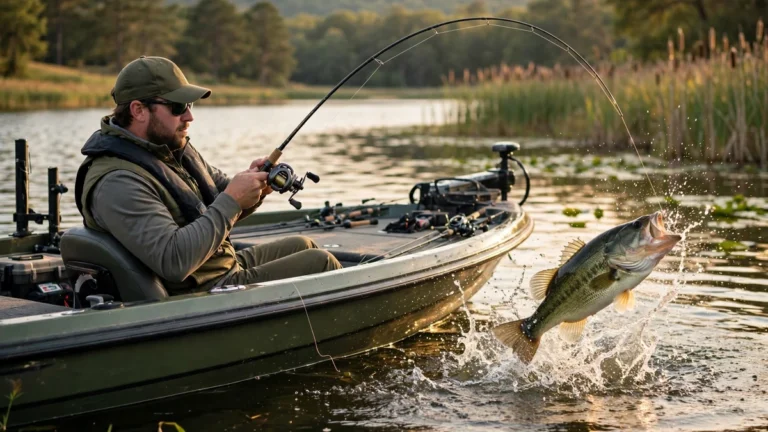
Choosing the best baitcasting rod is really about matching a rod to the way you fish. A baitcasting rod is built to handle heavier line and bigger lures than a spinning rod, and it gives you more casting accuracy and power on the hookset — which is exactly why it is the standard tool for bass fishing, frogging, flipping, and power presentations. The catch is that “best” depends on technique: a rod that excels at pitching 3/8 oz jigs into heavy cover is not the rod you want for throwing small crankbaits.
We evaluated these rods through technique-led, on-water evaluation: casting accuracy and distance with representative lures, sensitivity on bottom-contact baits, backbone on the hookset, and how each blank behaves fighting fish out of cover. The eight rods below cover every realistic budget tier — from a $70 workhorse to mid-range rods around $150 — and all are widely available in the US. Below: quick picks, a comparison table, full reviews with honest pros and cons, and a buying guide covering power, action, and materials. New to this style of fishing? Our guide to the best baitcasting reels for beginners will help you pair a reel to the rod you choose.
Our Quick Picks
- Best Overall: Shimano SLX A Casting Rod
- Best for Bass: St. Croix Mojo Bass Casting Rod
- Best Mid-Range Value: Dobyns Fury Casting Rod
- Best for Sensitivity: Abu Garcia Veritas Casting Rod
- Best for Heavy Cover: Daiwa Tatula XT Casting Rod
- Best 2-Piece: 13 Fishing Omen Black Casting Rod
- Best for Beginners: Lew’s Mach Crush Speed Stick
- Best Budget: Ugly Stik Elite Casting Rod
Baitcasting Rods Compared
| Rod | Best for | Length / Power | Key spec | Approx. price |
|---|---|---|---|---|
| Shimano SLX A | Best Overall | 7’2″ / Medium Heavy | DIAFLASH carbon blank, Ti-oxide guides | ~$100 |
| St. Croix Mojo Bass | Bass | 7’1″ / Medium Heavy | SCIII graphite, 5-year warranty | ~$150 |
| Dobyns Fury | Mid-range value | 7’3″ / Heavy | Kevlar-wrapped blank, Fuji guides | ~$140 |
| Abu Garcia Veritas | Sensitivity | 7′ / Medium Heavy | Powerlux 100 resin, zirconium guides | ~$100 |
| Daiwa Tatula XT | Heavy cover | 7’3″ / Medium Heavy | Technique-specific tapers, braided butt | ~$100 |
| 13 Fishing Omen Black | 2-piece / travel | 7’1″ / Medium Heavy | 36-ton graphite, 2-piece | ~$110 |
| Lew’s Mach Crush | Beginners | 7’2″ / Medium Heavy | IM8 graphite, Winn grips | ~$99 |
| Ugly Stik Elite | Budget | 7′ / Medium Heavy | Graphite/glass composite, 7-year warranty | ~$70 |
How We Evaluate Baitcasting Rods
We evaluate each rod on five things: casting performance (accuracy and distance with lures matched to the rod’s rating), sensitivity on bottom-contact baits, power and hookset in cover, component quality (guides, reel seat, handle, finish), and value relative to price, including warranty. We do not rank rods on lab numbers or invented test durations — a rod earns its place here by fishing well for the technique it is designed for, and by being honest about where it does not.
The 8 Best Baitcasting Rods for 2026
1. Shimano SLX A Casting Rod — Best Overall
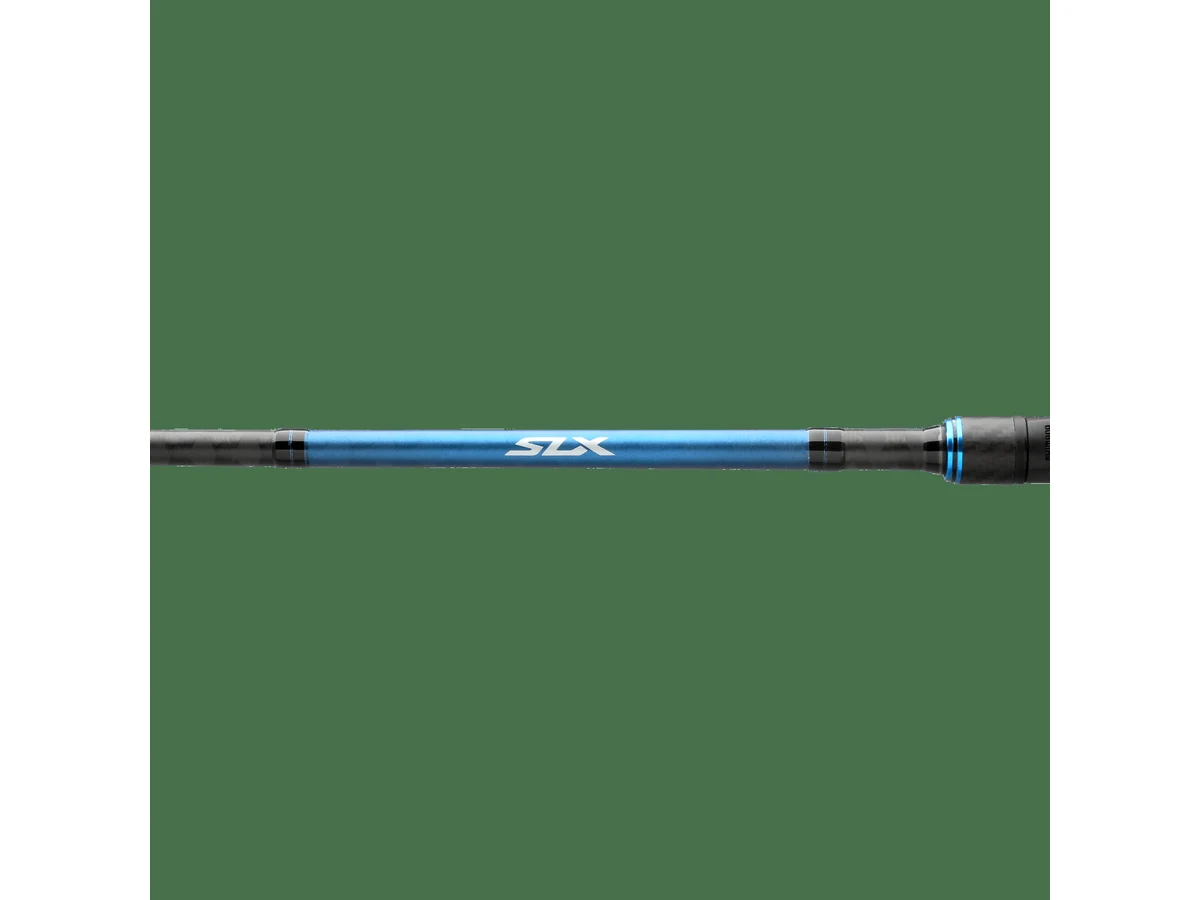
Best for: Anglers who want one rod that does nearly everything well.
Why it wins: The redesigned SLX A brings Shimano’s DIAFLASH technology — carbon tape wrapped diagonally in opposing directions around the butt — down to a $100 rod, and it fishes like a rod costing twice as much. The 7’2″ medium-heavy, extra-fast model (SLXCX72MHA) is the lineup’s all-rounder: rated for 10–20 lb line and 1/4–3/4 oz lures, it handles Texas rigs, spinnerbaits, swim jigs, and squarebills without complaint. Titanium oxide guides keep braid running clean.
Pros:
- Blank technology and finish well above its $100 price point
- 17-model lineup covers everything from finesse to swimbait sticks
- Extra-fast action gives crisp hooksets on jigs and plastics
- Titanium oxide guides hold up to heavy braid use
Cons:
- One-piece design is harder to transport than 2-piece competitors
- Only a 1-year Shimano warranty, shorter than some rivals
Specs: 7’2″ | Medium Heavy | Extra Fast | 10–20 lb line | 1/4–3/4 oz lures | 1 piece | ~$100
2. St. Croix Mojo Bass Casting Rod — Best for Bass
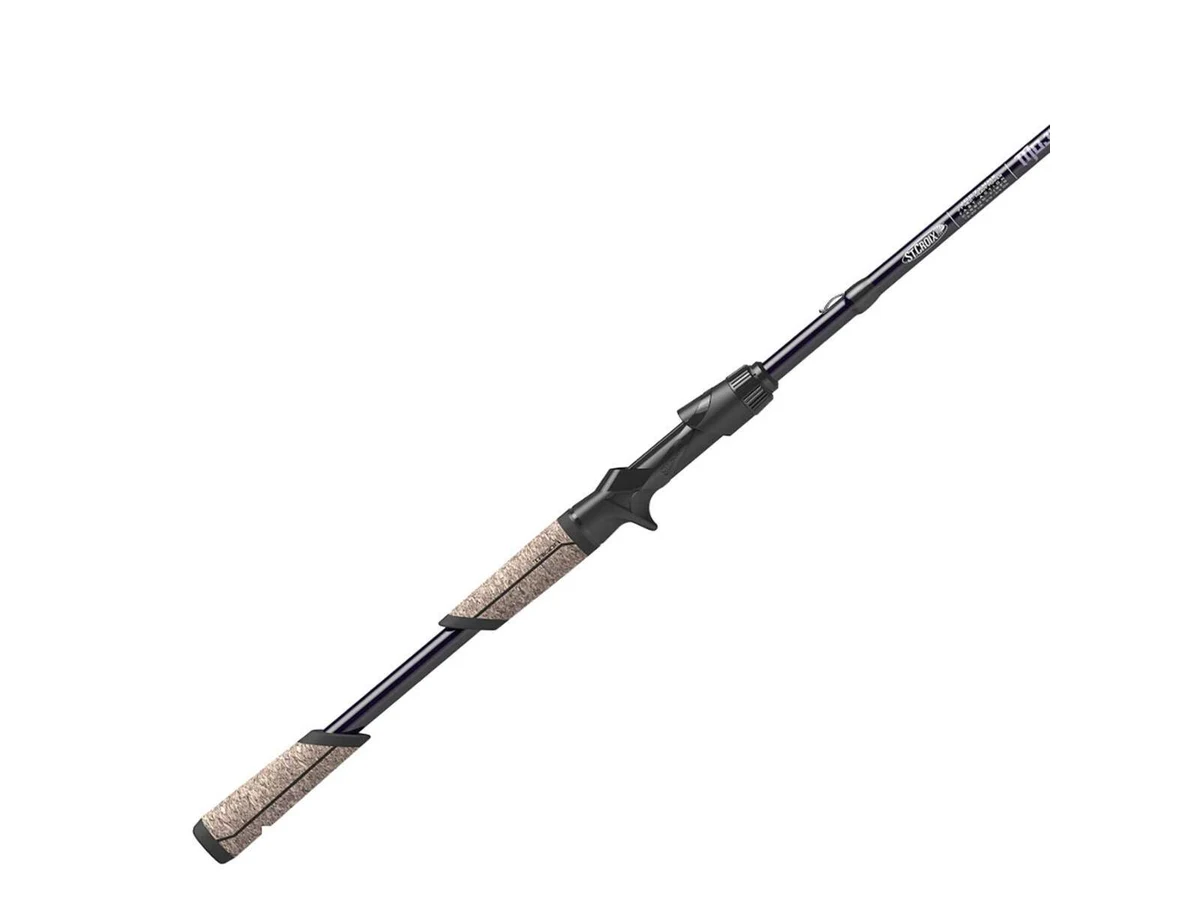
Best for: Dedicated bass anglers who want a technique-matched rod from a legacy US brand.
Why it wins: The Mojo Bass is one of the best-selling bass casting rods in the country for a reason. Built on St. Croix’s SCIII graphite, it delivers the sensitivity needed to feel a jig dragging across shell beds or a worm falling through timber. The lineup is genuinely technique-specific — separate sticks for flipping, cranking, topwater, and swimbaits — so you can buy the taper your presentation needs. Premium cork handles and a 5-year warranty round out a proven package.
Pros:
- Technique-specific models for nearly every bass presentation
- Excellent sensitivity for a rod in the $150 class
- Premium cork handles feel great and age well
- 5-year warranty with a well-regarded service program
Cons:
- Priced above most competitors at this performance level
- Some models run slightly tip-heavy when paired with heavier reels
Specs: 7’1″ | Medium Heavy | Fast | 10–17 lb line | 3/8–1 oz lures | 1 piece | ~$150
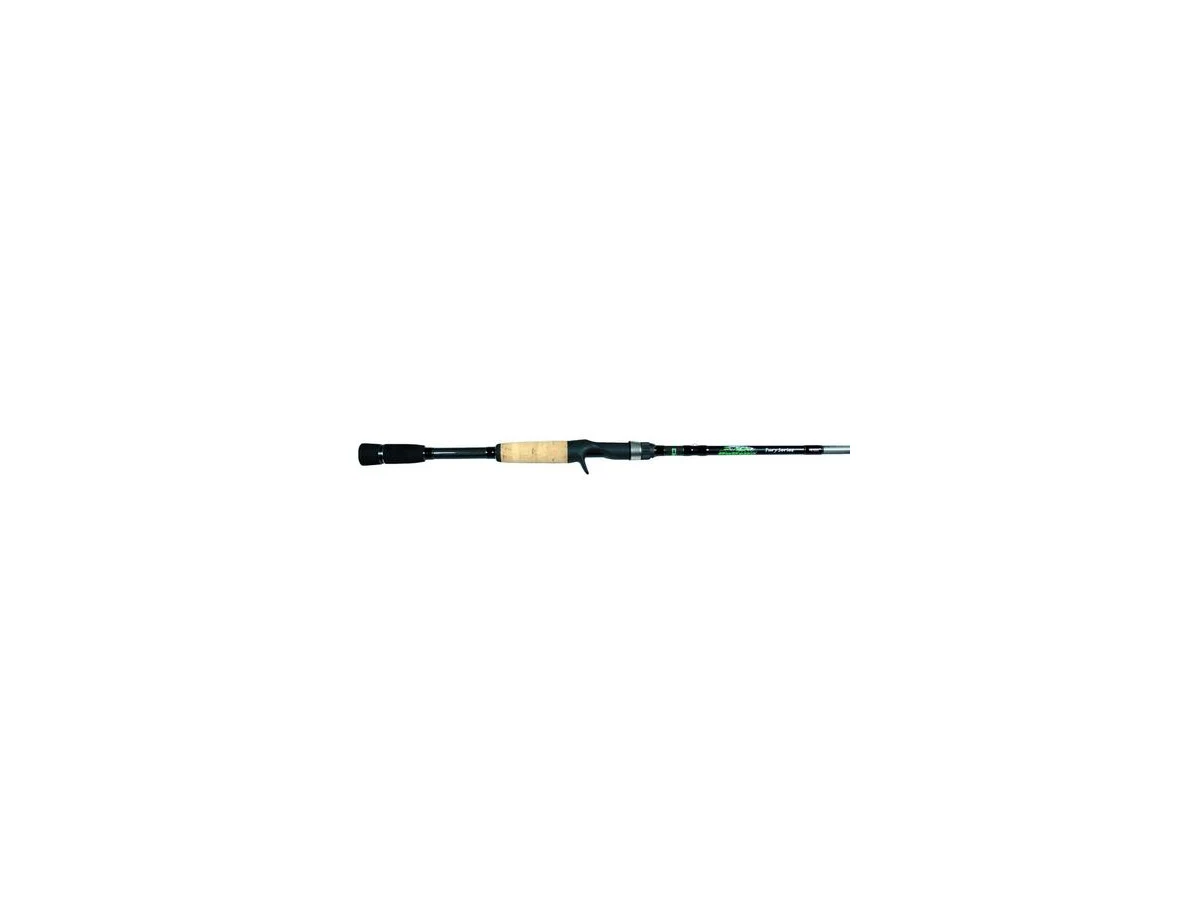
3. Dobyns Fury Casting Rod — Best Mid-Range Value
Best for: Anglers who want proven tournament pedigree without the tournament price.
Why it wins: The Fury is Gary Dobyns’ best-selling rod series, and it punches above its price tag. The Kevlar-wrapped, high-modulus graphite blank loads progressively and recovers without the tip wobble that plagues many budget sticks. The FR 734C (7’3″, heavy, fast) is the model most anglers reach for first: a true flipping and pitching stick for heavy cover. Fuji guides and reel seat are components you normally find on rods costing $50 more.
Pros:
- Kevlar-wrapped blank feels stronger and more refined than the price suggests
- Fuji guides and reel seat at a mid-range price
- Excellent flipping/pitching stick in the 7’3″ heavy model
- Wide model range across powers and actions
Cons:
- A touch heavier in hand than premium carbon competitors
- Finish and cosmetics are plain compared to flashier rivals
Specs: 7’3″ | Heavy | Fast | 12–25 lb line | 3/8–1 1/2 oz lures | 1 piece | ~$140
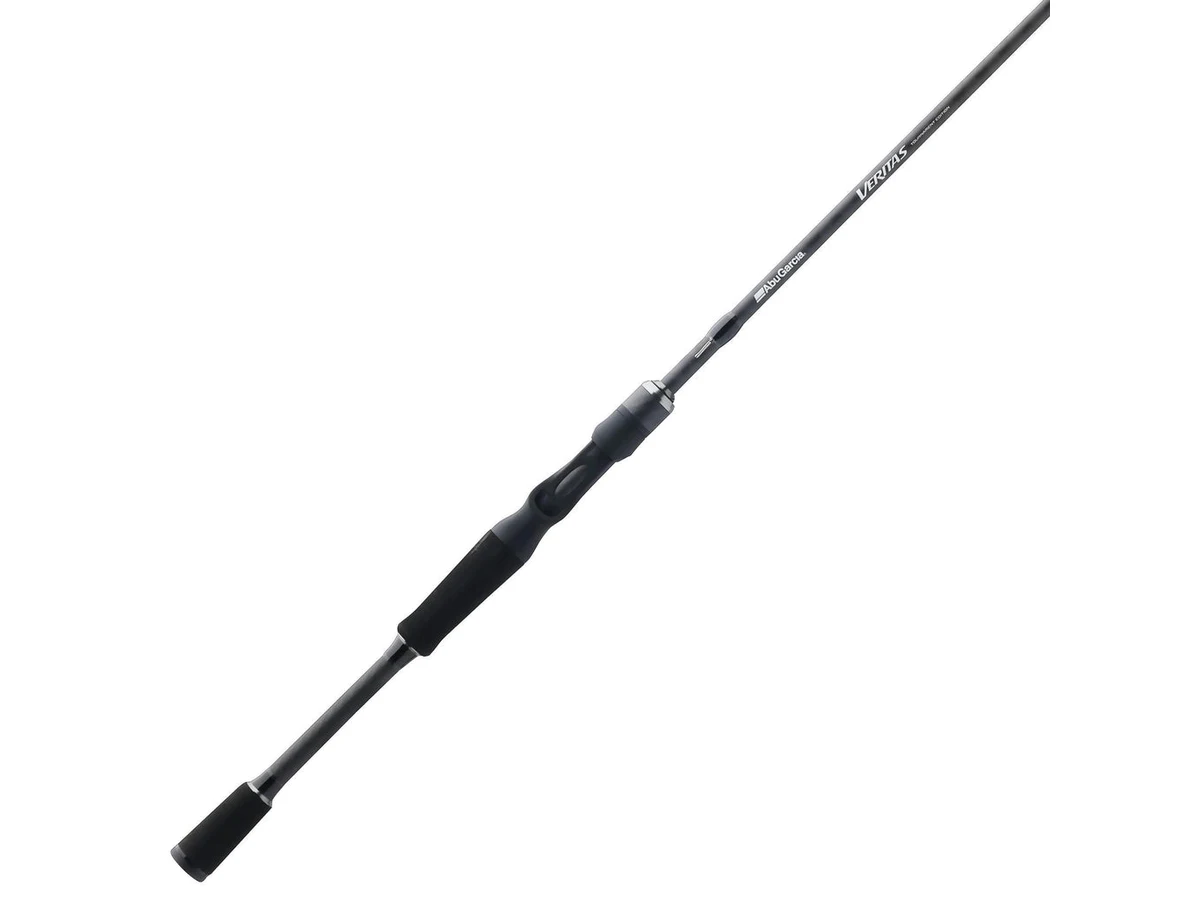
4. Abu Garcia Veritas Casting Rod — Best for Sensitivity
Best for: Bottom-contact fishing where feeling the bite matters most.
Why it wins: The Veritas is built around Abu Garcia’s Powerlux 100 resin system, which compresses the blank’s carbon fibers more tightly than standard construction — the payoff is a blank that transmits vibration noticeably better than most $100 rods. Dragging a Carolina rig across rock or hopping a jig down a ledge, that extra sensitivity is the difference between feeling a bite and missing it. The 7′ medium-heavy, fast model is rated for 10–20 lb line and 1/4–3/4 oz lures, and the zirconium-insert guides stand up to braid without grooving.
Pros:
- Sensitivity is genuinely a step above typical $100 rods
- Zirconium guide inserts handle braid without wear
- EVA grips perform well in wet conditions
- Lightweight for its power class
Cons:
- EVA handles lack the classic feel of cork
- Fewer technique-specific models than St. Croix or Dobyns lineups
Specs: 7′ | Medium Heavy | Fast | 10–20 lb line | 1/4–3/4 oz lures | 1 piece | ~$100
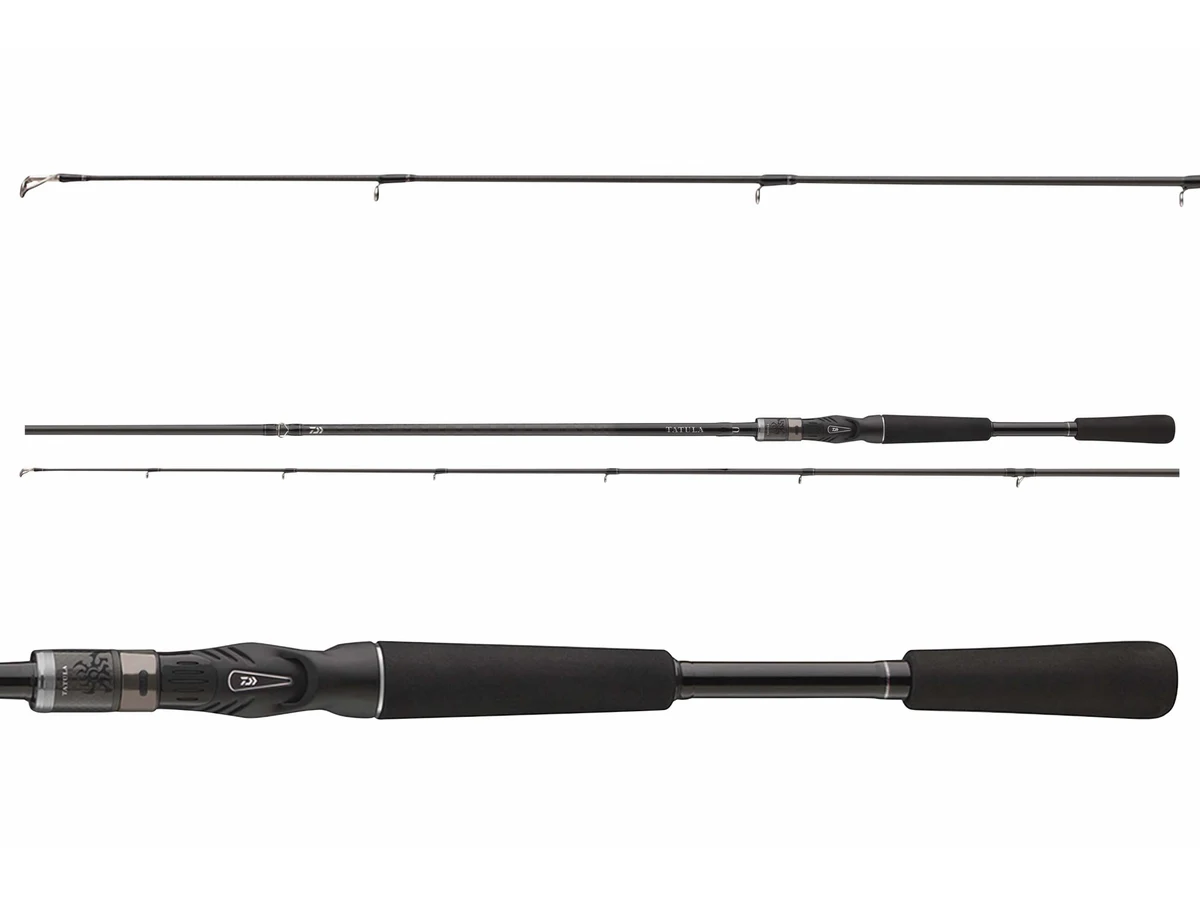
5. Daiwa Tatula XT Casting Rod — Best for Heavy Cover
Best for: Power fishing — flipping, frogging, and punching through vegetation.
Why it wins: The Tatula XT is Daiwa’s technique-specific answer to the budget-conscious power angler. The XT line includes models purpose-built for frogging, flipping, and cranking, each with the taper its technique demands. The braided carbon-fiber butt section adds lifting power when a bass buries itself in milfoil or lily pads. The 7’3″ medium-heavy model has the backbone to set a frog hook at distance, something lighter blanks struggle with.
Pros:
- Technique-specific tapers at a budget price
- Braided carbon butt adds real lifting power in cover
- Strong frogging and flipping performance for the money
- Good balance with modern low-profile reels
Cons:
- Heavier and less sensitive than the Veritas or SLX on light bites
- EVA foregrip styling divides opinion
Specs: 7’3″ | Medium Heavy | Fast | 12–25 lb line | 3/8–1 oz lures | 1 piece | ~$100
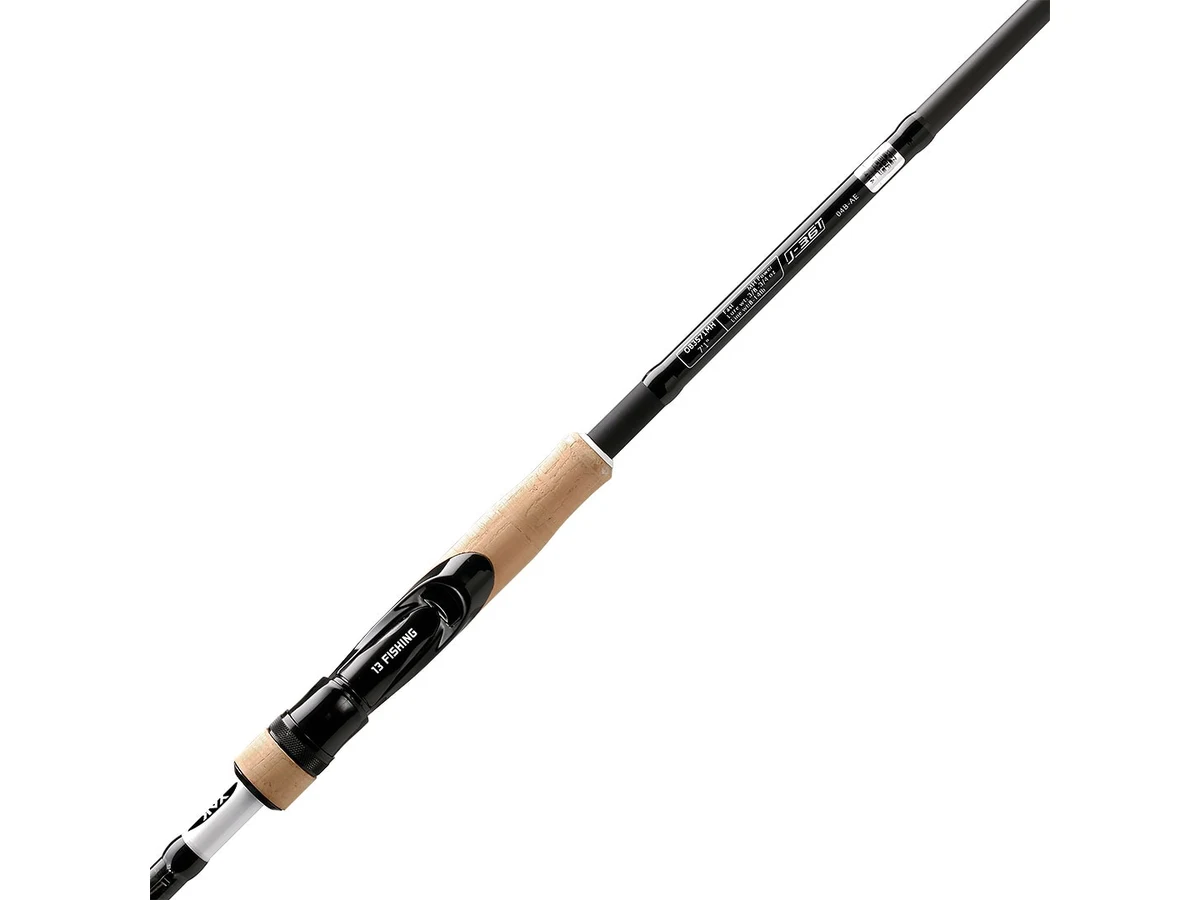
6. 13 Fishing Omen Black Casting Rod — Best 2-Piece
Best for: Anglers who need a rod that travels — kayak, trunk, or carry-on.
Why it wins: Two-piece rods used to mean compromise; the Omen Black proves they do not have to. Built on a 36-ton graphite blank with a ferrule designed to maintain power through the joint, it fishes like a one-piece while breaking down for transport. The 7’1″ medium-heavy, fast model covers the core bass techniques — Texas rigs, jigs, spinnerbaits, topwater. For kayak anglers, it is the easiest recommendation here.
Pros:
- Two-piece convenience with near one-piece feel
- Sharp, modern cosmetics and comfortable EVA split grip
- 36-ton blank gives good sensitivity for the price
- Ideal for kayaks, small cars, and travel
Cons:
- Ferrule adds a slight stiffness change some one-piece purists will notice
- Guide spacing on the 2-piece layout is less refined than premium one-pieces
Specs: 7’1″ | Medium Heavy | Fast | 10–20 lb line | 1/4–3/4 oz lures | 2 piece | ~$110
7. Lew’s Mach Crush Speed Stick — Best for Beginners
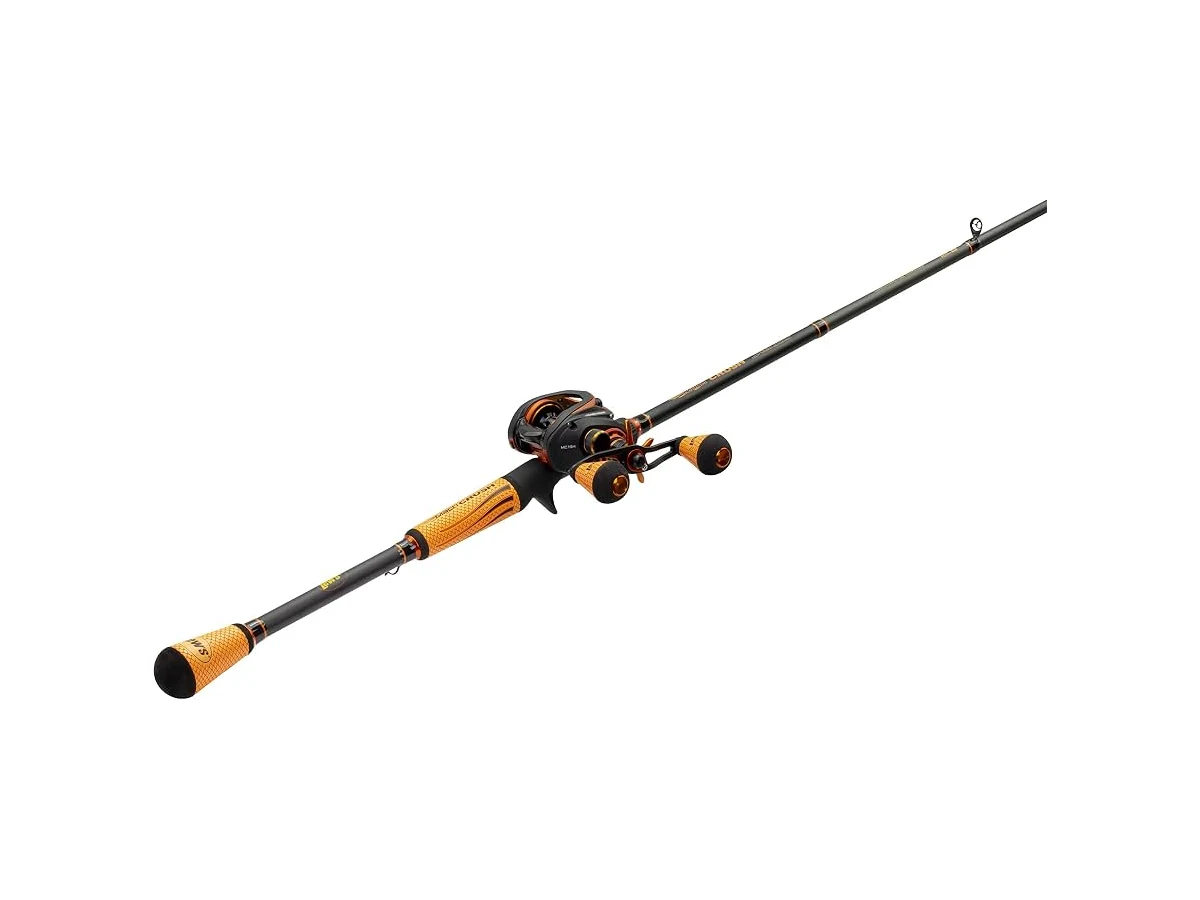
Best for: New baitcaster anglers who want forgiveness without a toy-rod feel.
Why it wins: Learning to cast a baitcaster is hard enough without fighting your rod. The Mach Crush Speed Stick’s IM8 graphite blank loads a little more forgivingly than fast-action tournament sticks, which smooths casting timing — and smoother casts mean fewer backlashes while you learn. The Winn Dri-Tac grip stays secure in wet hands, so beginners can focus on thumb control. At around $99, it pairs naturally with an entry-level reel, and proper baitcaster technique will take you the rest of the way.
Pros:
- Forgiving blank helps beginners develop casting timing
- Winn Dri-Tac grips stay secure in wet conditions
- Good value paired with an entry-level reel
- Stainless guides with aluminum oxide inserts
Cons:
- Less sensitive than the Veritas or SLX for finesse presentations
- Winn grips can show wear faster than cork or EVA over seasons of use
Specs: 7’2″ | Medium Heavy | Fast | 10–20 lb line | 1/4–3/4 oz lures | 1 piece | ~$99
8. Ugly Stik Elite Casting Rod — Best Budget
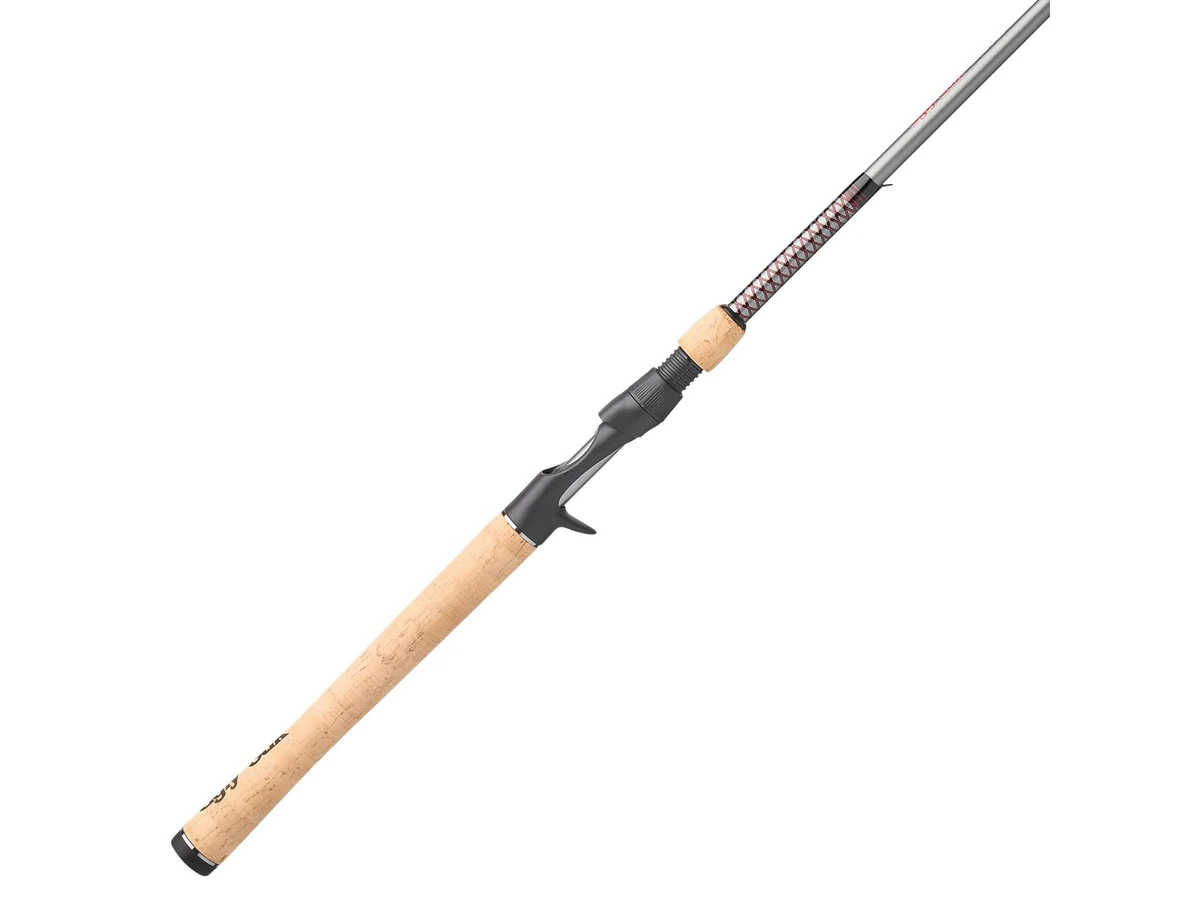
Best for: Anglers who abuse gear — bank fishing, kids, boats, and loaners.
Why it wins: The Ugly Stik Elite is not the most sensitive rod on this list, and it does not pretend to be. What it is, is nearly indestructible: the graphite/fiberglass composite blank shrugs off treatment that would snap a high-modulus stick — slammed car doors, stepped-on tips, kids learning to cast. The 7′ medium-heavy, fast model handles spinnerbaits, jigs, and crankbaits competently, and the Ugly Tuff one-piece guides eliminate insert pop-outs. At around $70 with a 7-year warranty, it is the rod you hand to anyone you do not fully trust with your good gear.
Pros:
- Toughest blank on this list by a wide margin
- Ugly Tuff one-piece guides eliminate insert pop-out
- 7-year warranty at a $70 price point
- A genuine all-purpose rod, not a toy
Cons:
- Noticeably less sensitive than graphite-only competitors
- Heavier in hand, which adds fatigue on long casting days
Specs: 7′ | Medium Heavy | Fast | 10–25 lb line | 1/4–1 oz lures | 1 piece | ~$70
Baitcasting Rod Buying Guide
Rod power vs. action — what do they mean?
Power is how much force it takes to bend the blank; action is where it bends. Fast action (bends in the top third) gives quick hooksets; moderate action bends deeper and keeps treble-hooked crankbaits pinned. For one all-purpose rod, medium-heavy power with fast action is the standard — it handles 1/4–3/4 oz lures across the most bass techniques.
What length should I get?
Most run 6’6″ to 7’6″; 7′ to 7’3″ is the sweet spot — long enough for distance and hook-setting leverage, short enough for accurate pitches. Go shorter for tight quarters and dock skipping; go longer (7’4″+) for flipping, frogging, and swimbaits.
Graphite vs. composite vs. glass blanks
Graphite is light and sensitive — the right choice for jigs and Texas rigs, where feeling the bite is everything. Fiberglass is heavier and more durable, with a forgiving bend that suits crankbaits. Composites blend both, like the Ugly Stik Elite, trading sensitivity for toughness.
Handles and reel seats
Cork is comfortable and transmits vibration well; EVA foam is more durable and grippier when wet; Winn Dri-Tac is a tacky all-weather option. The reel seat should lock your reel down with no play.
Guides
Cheap guides groove under braided line and kill casting distance. Look for stainless frames with titanium oxide, zirconium, or aluminum oxide inserts — all proven performers.
Line and lure ratings
Take the printed ranges seriously: fishing a 1 oz jig on a rod rated to 1/2 oz risks breakage and deadens the action, while a 1/8 oz lure on a heavy stick casts sloppily. Match your most-used lures to the middle of the rating, not the edges.
Freshwater vs. saltwater use
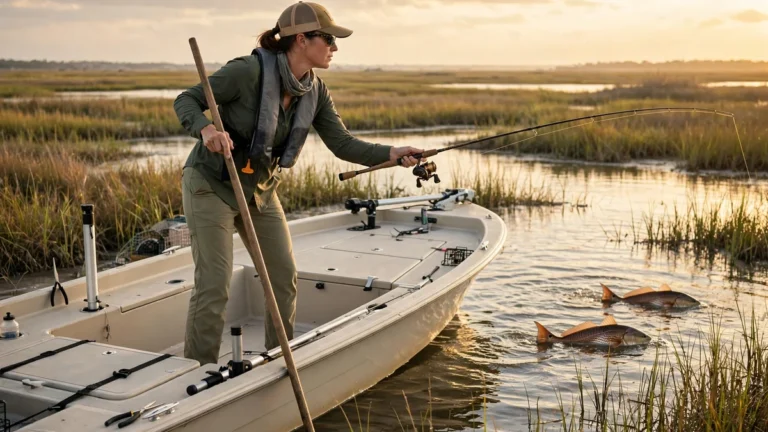
All eight rods here are freshwater rods at heart. They can handle light inshore work — redfish, seatrout — if you rinse them with fresh water after every trip. For regular salt use, buy a rod with corrosion-proof guide frames. See our baitcasting reel vs. spinning reel comparison for more on the gear question.
Price tiers: what does your money buy?
Under $80: durability over sensitivity (Ugly Stik Elite). $90–$120: the sweet spot — the SLX, Veritas, Tatula XT, and Mach Crush all live here with genuinely good blanks. $130–$160: technique-specific designs and better components (Fury, Mojo Bass). Above $200 buys marginal sensitivity gains — worth it for tournament anglers, unnecessary for most weekend fishing.
Match the Rod to Your Technique
Rods are technique tools. Here is how our picks map to the techniques anglers actually ask about:
- Flipping/pitching heavy cover: Daiwa Tatula XT or Dobyns Fury 734C — long, powerful blanks.
- Frogging: Tatula XT frogging model or Shimano SLX 7’2″ heavy — stiff backbone for long hooksets.
- Jigs and Texas rigs: Abu Garcia Veritas or Shimano SLX — sensitivity-first blanks.
- Spinnerbaits and swim jigs: St. Croix Mojo Bass MH/fast or Lew’s Mach Crush — fast tips, enough give.
- Kayak and travel: 13 Fishing Omen Black 2-piece — breaks down, fishes like a one-piece.
Pairing matters too: the rod is only half the combo. Our guide on how to choose the best baitcasting reel covers matching reel size, gear ratio, and braking to the rod you pick.
An Honest Limitation: What One Rod Can’t Do
Every rod here is a fast or extra-fast graphite stick — what most bass anglers need. The honest gap: none is ideal for crankbaits. Cranking wants a moderate-action rod that bends deep so treble hooks stay pinned; a fast graphite rod works in a pinch but costs you hookups on deep divers. None is a true finesse/BFS stick for 1/16 oz baits either. If crankbaits or finesse are your main game, buy a technique-specific rod rather than forcing one of these to do it.
Frequently Asked Questions
What is the best baitcasting rod for beginners?
The Lew’s Mach Crush Speed Stick. Its forgiving IM8 blank smooths casting timing and cuts down on backlashes, and the Winn Dri-Tac grips stay secure in wet hands. Practice with 3/8 oz lures.
What length and power is best for an all-around baitcasting rod?
A 7′ to 7’3″ medium-heavy, fast-action rod. It covers 1/4–3/4 oz lures — Texas rigs, jigs, spinnerbaits, swim jigs, topwater — with backbone for hooksets and tip for accuracy.
Should I choose graphite or fiberglass for a baitcasting rod?
Graphite for sensitivity and light weight — best for jigs, worms, and bottom contact. Fiberglass or composite for durability and a forgiving bend — better for crankbaits and for anglers who are hard on gear.
Can I use a baitcasting rod in saltwater?
Occasionally, with care — rinse rod and guides with fresh water after every salt trip. For regular saltwater use, buy a rod built for it.
How much should I spend on a baitcasting rod?
$90–$120 is the sweet spot. Under $80 buys durability over sensitivity; above $150 buys technique-specific tapers that matter most to experienced or tournament anglers.
Does a more expensive rod actually cast farther?
Somewhat, but less than marketing suggests. Distance comes mostly from the reel’s braking, line choice, and lure weight matched to the rod’s rating. A pricier rod buys sensitivity, lighter weight, and better components — and a baitcaster’s real advantages are accuracy and power, not raw distance.
Final Verdict: Which Rod Should You Buy?
- One rod for everything: Shimano SLX A — the best value in fishing at around $100.
- Bass-first angler: St. Croix Mojo Bass — technique-matched blanks from a legacy brand.
- Flipping and pitching cover: Dobyns Fury — tournament-proven toughness at a fair price.
- Jigs and bottom contact: Abu Garcia Veritas — sensitivity is its superpower.
- Heavy-cover power fishing: Daiwa Tatula XT — purpose-built for frogs and flipping.
- Kayak or travel: 13 Fishing Omen Black — a 2-piece that fishes like a one-piece.
- Learning baitcasters: Lew’s Mach Crush — forgiving blank, grippy handles.
- Maximum toughness, minimum spend: Ugly Stik Elite — the toughest $70 in fishing.
Whichever you choose, take an hour to match it with the right bass reel — the combo is what catches fish, not either half alone.