Line Selection Guide
What Pound Test Line for a Baitcaster?
For most bass fishing on a baitcaster, spool 15 to 17 pound fluorocarbon or monofilament. That range handles jigs, worms, spinnerbaits and most moving baits without giving up casting control. Go lighter (12 pound) for clear-water finesse and crankbaits, and heavier (30 to 65 pound braid) for flipping, pitching and frogging in thick cover. The chart below breaks it down by technique, and every section after it explains the why.
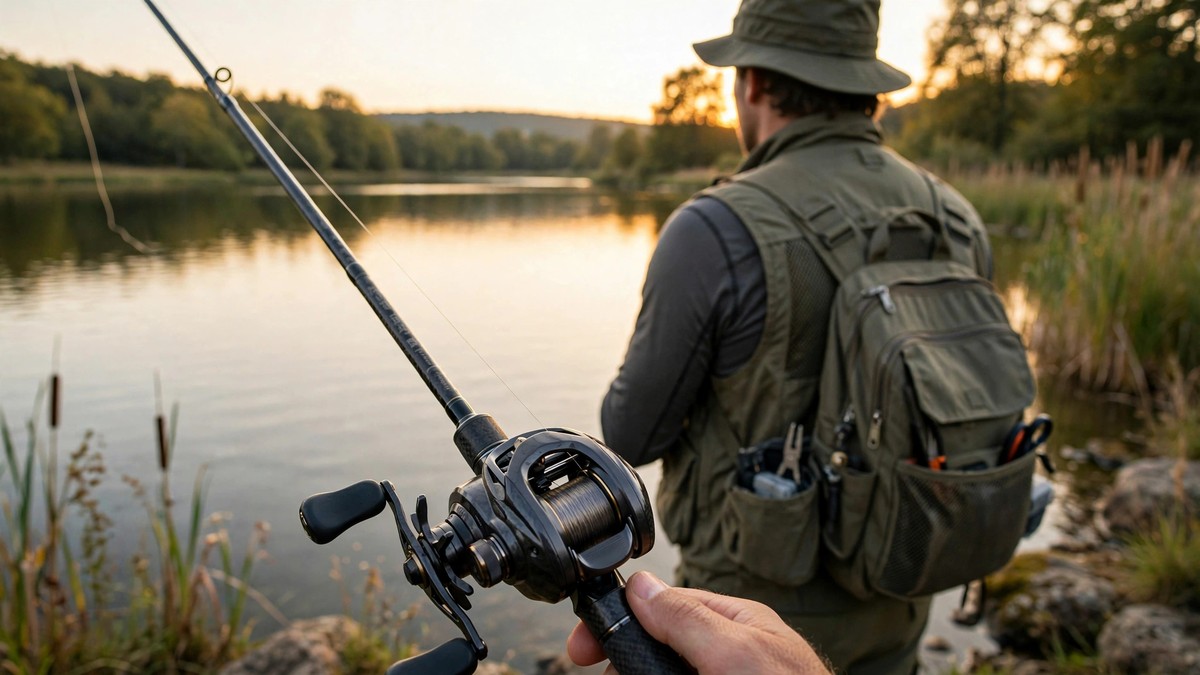
I have watched a lot of anglers blame their reel for problems that were really line problems. A baitcaster spooled too light digs into itself, backlashes harder and costs you casting distance. Spooled too heavy, it kills the action of a crankbait and turns a finesse presentation into a rope trick. If you are setting up a new reel from scratch, our guide to spooling a baitcaster walks through the whole process.
The quick chart: pound test by technique
Find your technique in the left column, then read across for the pound test range in each line type. A dash means that line type is not the right tool for that job.
| Technique | Monofilament | Fluorocarbon | Braid |
|---|---|---|---|
| Finesse / clear water | 12–15 lb | ||
| Jigs, worms, Texas rigs | 15–17 lb | 15–17 lb | 30 lb (heavy cover) |
| Crankbaits | 12–17 lb | ||
| Spinnerbaits / chatterbaits | 14–17 lb | 14–17 lb | |
| Topwater (poppers, walkers) | 12–17 lb | ||
| Flipping / pitching | 20–25 lb | 30–40 lb | |
| Frogs / punching mats | 50–65 lb |
Why pound test matters more on a baitcaster
A baitcaster feeds line off a rotating spool, which makes it pickier about line diameter than a spinning reel. Go too light and two things happen. First, thin line sinks into the layers below it on the spool when you set the hook or pull free from a snag, and the next cast buries into that groove and dies halfway out. Second, light line overruns the spool more easily, which is the mechanical root of most backlashes. Our backlash removal guide covers the fix, but the right pound test prevents most of them in the first place.
Go too heavy and the problems flip. Thick line is stiffer, so it robs action from smaller lures and makes a crankbait run shallow and tight instead of hunting the way it was designed. It also fills the spool faster, which changes how the spool behaves during the cast. Somewhere in the middle is a range where the line is thick enough to lay cleanly and thin enough to let the lure work. That is exactly what the chart above gives you.
Finesse and clear water: 12–15 lb fluorocarbon
When the water is clear and the fish have seen every lure in the tackle shop, line visibility becomes the limiting factor. Fluorocarbon refracts light almost the same way water does, which makes 12 to 15 pound fluoro far less visible than the same strength in mono or braid. That invisibility is why it owns this category.
The lower end (12 lb) is for truly clear water and pressured fish, where you need the most natural presentation on a shaky head, drop shot style bait or weightless soft plastic. Step up to 15 lb when there is scattered cover or you expect a bigger average fish. Sensitivity is the bonus: fluoro transmits bottom composition and light bites better than mono, so you feel the difference between rock, wood and a subtle pickup. If you fish a lot of open-water structure, pairing this setup with one of the best baitcasting reels for bass gives you a versatile foundation.
Everyday bass fishing: 15–17 lb fluoro or mono
This is the workhorse range, and if you only own one baitcaster setup, this is where it should live. Fifteen to seventeen pound line handles jigs, Texas rigs, spinnerbaits, chatterbaits and medium diving crankbaits. It is thick enough to lay cleanly on the spool and survive contact with wood and rock, but thin enough to cast well and let lures run true.
Choose fluorocarbon when you want sensitivity and low visibility around cover, and monofilament when you want forgiveness. Mono costs less, ties easier and its stretch acts like a shock absorber on the hookset, which beginners tend to appreciate. Either way, 15 lb is the sweet spot for open water and 17 lb is the call when you are fishing around docks, laydowns and brush. Anglers building a two-rod system often make this their second setup alongside a dedicated baitcasting combo for moving baits.
Crankbaits: 12–17 lb monofilament
Crankbaits are the one technique where monofilament still beats everything else, and the reason is stretch. A crankbait fish usually hits a lure armed with two or three treble hooks, and trebles have very little flex before they pull free. Mono stretches just enough to cushion the surges and headshakes that throw trebles, which is why so many crankbait specialists never switched to fluoro.
Use 12 lb for deep divers, because thinner line lets the bait reach its maximum depth, and 14 to 17 lb for squarebills and medium divers around wood and rock. The stretch also keeps the bait from ripping out of a fish’s mouth on a close-range strike. One practical note: because mono floats, it will not drag a shallow crankbait down the way sinking fluoro can, so your bait runs at its designed depth. For the hardware side, the right snaps for crankbaits make lure changes faster without hurting the action.
Topwater: 12–17 lb monofilament
Topwater is the second mono stronghold, and the reason is buoyancy. Monofilament floats, so it stays on the surface and lets a popper, walking bait or buzzbait work the way it should. Fluorocarbon sinks, and even a short section of sinking line ahead of a topwater lure drags the nose down and ruins the action.
Twelve pound is plenty for open-water topwater, where long casts and a natural walk matter most. Move to 15 or 17 lb when you are throwing buzzbaits around grass edges or walking a spook over scattered cover. If you are specifically targeting the frog bite in heavy vegetation, skip this section entirely and read the frog section below, because that is a braid-only game. Our guide to when frog baits work best covers the timing side of that technique.
Flipping and pitching: 30–40 lb braid or 20–25 lb fluoro
Flipping and pitching are close-range power techniques, and the line has to do two jobs: drive a big single hook home with zero hesitation, and then drag a heavy fish out of cover before it wraps you up. Braid in the 30 to 40 pound range is the standard because it has no stretch, so every inch of hookset force reaches the fish, and its thin diameter still casts and pitches cleanly.
The 20 to 25 pound fluorocarbon option is for clearer water or spookier fish, where braid’s visibility costs bites. You give up some pulling power, but you gain stealth and a little abrasion resistance around wood. I treat it as a conditions call: stained water or heavy brush means braid, clear water with scattered cover means heavy fluoro. Either way, this is no place for light line. If your reel setup still feels off for close-quarters work, our baitcaster setup guide for bass walks through brake and tension settings for pitching.
Frogs and punching mats: 50–65 lb braid
Nothing else in bass fishing demands line like frogging over matted vegetation. When a bass blows up on a frog in a grass mat, you are setting the hook through plastic, vegetation and several feet of water, then winching the whole package back to the boat. Fifty to sixty-five pound braid is the only line that does that job reliably. Its thin diameter for its strength means 65 lb braid still casts like a much lighter line, and it saws through vegetation instead of stretching against it.
Do not drop below 50 lb here. Lighter braid digs into itself under the extreme pressure of a mat hookset, and the next cast will punish you for it. This is also the one technique where line color matters least, since the fish is reacting to a frog crashing through cover, not inspecting your line. Spool it tight, keep the drag firm, and check the first few feet for frays after every fish.
Why braid numbers look bigger: diameter vs pound test
One thing that confuses a lot of anglers is that braid pound tests look inflated next to mono. Thirty pound braid sounds like overkill until you learn that 30 lb braid has roughly the diameter of 8 lb monofilament. Braid is made from woven fibers with almost no stretch, so it tests far stronger than its thickness suggests. The practical takeaway: judge braid by diameter and behavior, not by comparing its number to mono.
This is also why the minimums matter. Twenty pound braid sounds stout, but its diameter is so thin that it behaves like light line on a baitcaster spool: it digs in under pressure and overruns more easily. Thirty pound is the realistic floor for most baitcaster applications, and it still casts beautifully because of that thin diameter. If you want the full breakdown of braid options, keep an eye on our upcoming best braided line for baitcaster roundup, and the best monofilament roundup for the mono side.
Match the line to your rod’s rating
Every rod has a printed line rating, something like 10–20 lb or 12–25 lb, and it is there for a reason. That range is where the blank loads and unloads the way the designer intended. Fish inside it and the rod protects light line with its flex and handles heavy line without overstressing. Fish far outside it and you invite trouble: line far heavier than the rating transfers hookset force straight into the blank instead of letting the rod absorb it, which is how rods break on the hookset rather than on the fish.
The braid trap is worth calling out specifically. Because 50 lb braid has the diameter of roughly 12 lb mono, it is tempting to spool it on a rod rated for 10–20 lb and assume the guides and blank are fine. The guides are fine. The blank is not necessarily fine. Respect the upper end of the printed rating, whatever line type you choose. The IGFA maintains the official line-class records if you ever want to see how seriously the sport takes pound test classifications.
If you are just starting: 17 lb monofilament
If this is your first baitcaster, ignore the whole chart for now and spool 17 pound monofilament. It is the most forgiving line you can learn on. It is thick enough to lay cleanly and resist dig-in, cheap enough that cutting out a bad backlash does not hurt, and its stretch cushions the aggressive hooksets that beginners tend to make. Knots are easy to tie and easy to check, which matters when you are still building the habit of retying.
Once your thumb control is reliable and you can go a full trip without a serious backlash, then start experimenting: fluoro for sensitivity, braid for cover. But learn on mono. It will save you money and frustration in the first month, which is when most people decide whether they love or hate baitcasters. Our baitcaster tips for beginners and the best beginner baitcasting reels pair well with this setup, and if backlashes still plague you, the best anti-backlash baitcasters roundup is worth a look.
When to go lighter or heavier
The chart gives you the middle of the road. Three factors push you off it.
Water clarity
Clear water pushes you lighter and toward fluorocarbon, because fish get a good look at everything. Stained or muddy water lets you go heavier without penalty, since visibility is already limited. This is the single biggest adjustment most anglers underuse.
Cover density
Open water rewards lighter line and better lure action. Wood, docks, grass and rock demand heavier line for abrasion resistance and pulling power. When in doubt around cover, go one step heavier than the chart suggests. Lost lures and lost fish cost more than a slight drop in castability.
Fish size
If your lake regularly produces fish over five pounds, or you are traveling somewhere known for giants, size up across the board. The chart assumes average bass in the one to four pound range. Big fish in heavy cover is exactly the scenario where 65 lb braid and 25 lb fluoro earn their place. For a broader look at getting started on the right water, Take Me Fishing has solid beginner resources on finding local fisheries.
Pound test FAQs
What pound test line should I put on my baitcaster?
For most bass fishing, 15 to 17 pound fluorocarbon or monofilament. Drop to 12 pound for finesse and crankbaits, and switch to 30 to 65 pound braid for flipping, pitching and frogging in heavy cover.
Is 12-pound line good for a baitcaster?
Yes, for finesse presentations, crankbaits and clear-water fishing. For everyday bass fishing with jigs and worms around cover, 15 to 17 pound gives you more margin.
Is 20 lb braid good for a baitcaster?
It is on the light side. Because braid is so thin for its strength, 20 lb braid can dig into the spool under pressure. Thirty pound is the practical minimum for most baitcaster use.
What is the best pound test for bass on a baitcaster?
Fifteen to seventeen pound fluorocarbon or monofilament is the best all-around choice. It covers jigs, worms, spinnerbaits and most moving baits while casting smoothly.
Can I use 10 lb line on a baitcaster?
You can, but baitcasters were designed for medium to heavy line, and anything under 12 pounds digs in and overruns more easily. For truly light line applications, a spinning setup usually performs better.
Should I use monofilament or fluorocarbon on my baitcaster?
Use fluorocarbon for low visibility and sensitivity with jigs, worms and finesse baits. Use monofilament for crankbaits and topwater, where stretch protects treble hooks and buoyancy keeps lures running right.
Affiliate disclosure: As an Amazon Associate, baitcastingreelz.com earns from qualifying purchases made through links on this page, at no extra cost to you. Line recommendations are technique-led and independent of commissions.