Tackle Buyer’s Guide
Best Braided Line for Baitcaster: 5 Spools That Actually Perform
The best braided line for most baitcaster setups is Sufix 832 Advanced Superline: smooth, quiet and tough enough for everyday bass fishing. PowerPro Spectra is the heavy-cover workhorse, Daiwa J-Braid x8 is the value pick, SpiderWire Stealth is the quietest caster, and KastKing SuperPower stretches a budget the furthest. Every pick below is braid only, matched to the job it does best on a baitcasting reel.
Affiliate disclosure: As an Amazon Associate, baitcastingreelz.com earns from qualifying purchases made through links on this page, at no extra cost to you. Rankings are technique-led and independent of commissions.
Braid on a baitcaster is a different game
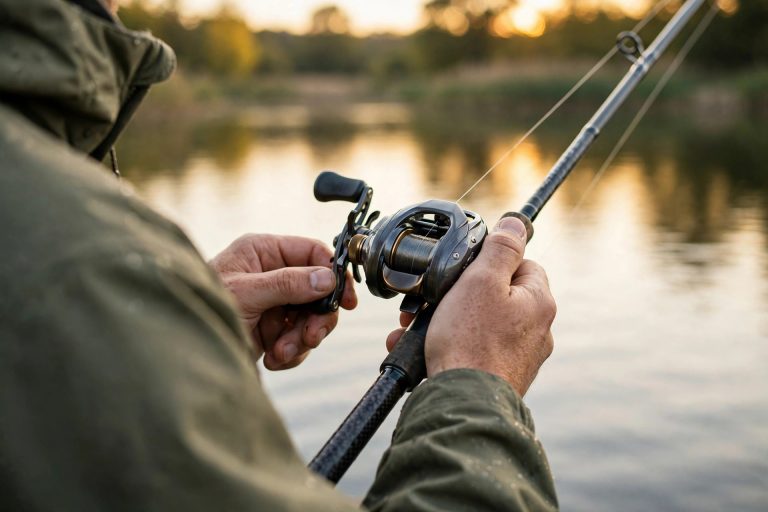
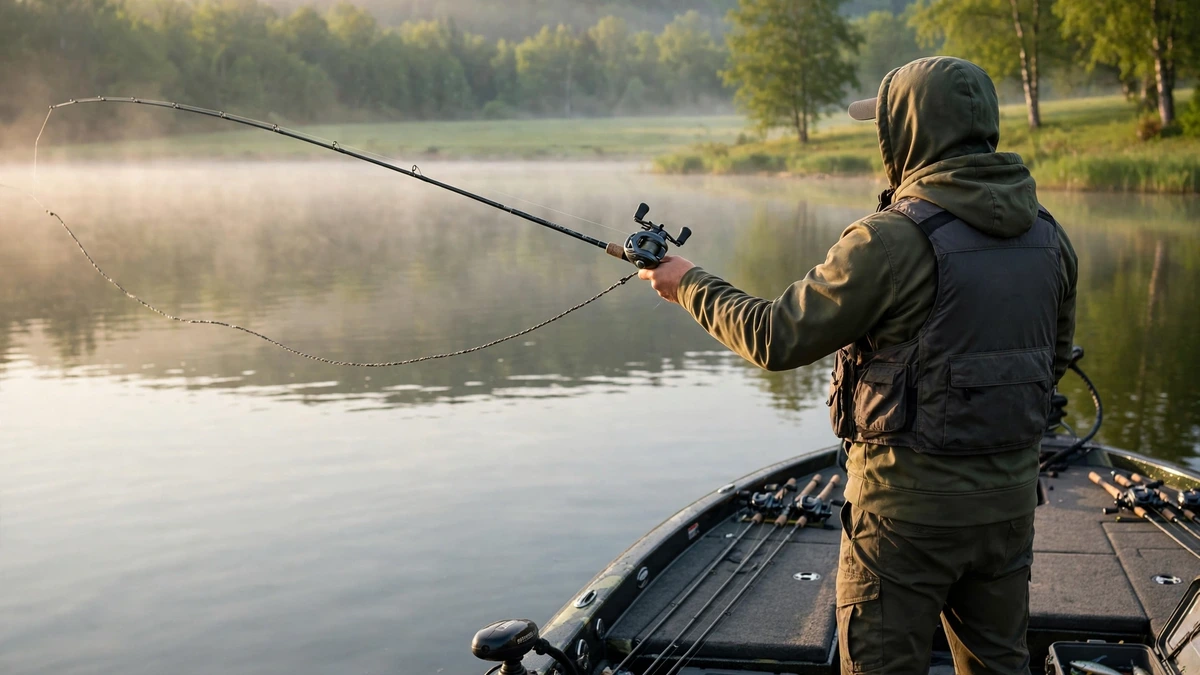
I have spooled a lot of line over the years, and braid on a baitcasting reel behaves nothing like braid on a spinning reel. On a baitcaster, the line leaves a rotating spool under thumb control, so smoothness, roundness and how the line packs down matter more than they do on a fixed spool. A braid that feels great on spinning gear can dig, squeal or birdnest on a baitcaster if it is the wrong construction for the job.
This guide keeps things narrow on purpose. You will not find mono or fluorocarbon here, and you will not find spinning-reel picks smuggled in. Five braids, each with a clear role on a baitcasting reel: the all-arounder, the heavy-cover specialist, the value pick, the smooth caster and the budget stretcher. I have also added the pound-test chart, backing advice and leader guidance that the other guides either skip or bury.
If you are setting up a new reel, pair this guide with our how to spool a baitcaster walkthrough so the line goes on tight and even from the first turn of the handle.
Quick picks
All braided line reviews
Best all-around braided line for baitcasters
Sufix 832 Advanced Superline
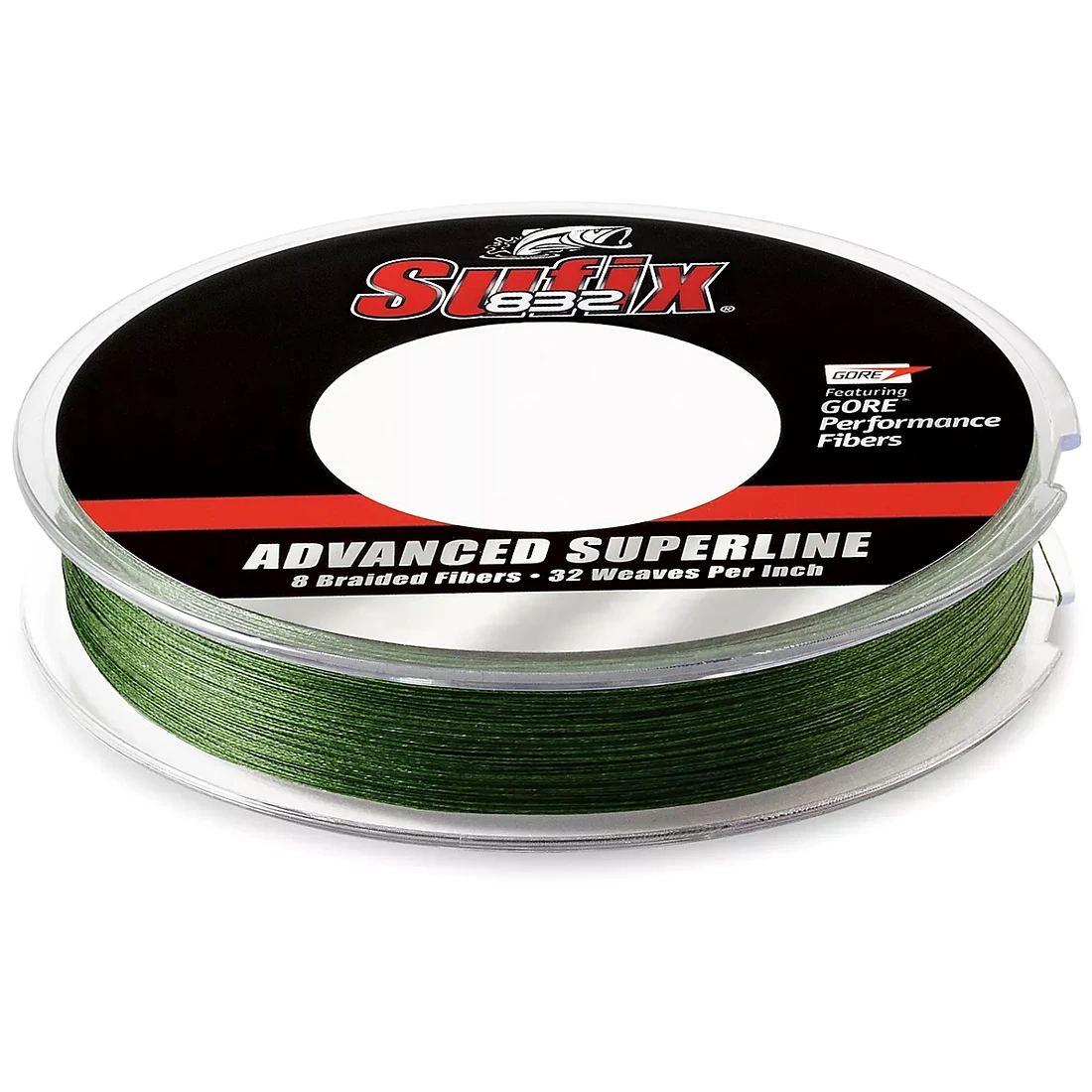
If I could only keep one braid on my baitcasters, it would be 832. The construction is the reason: seven Dyneema fibers plus one GORE Performance Fiber, woven at 32 picks per inch into a genuinely round line. On a baitcaster that roundness pays off every cast. The line leaves the spool cleanly, packs down evenly and stays quieter through the guides than most braids I have fished.
It is also the most versatile line here. Thirty-pound 832 handles jigs, Texas rigs, spinnerbaits and light flipping without complaint, and it is tough enough that I do not feel undergunned when a fish buries in grass. The GORE fiber sheds water noticeably, so the line is not spraying your hands and reel on a long day of casting.
Best braided line for heavy cover
PowerPro Spectra
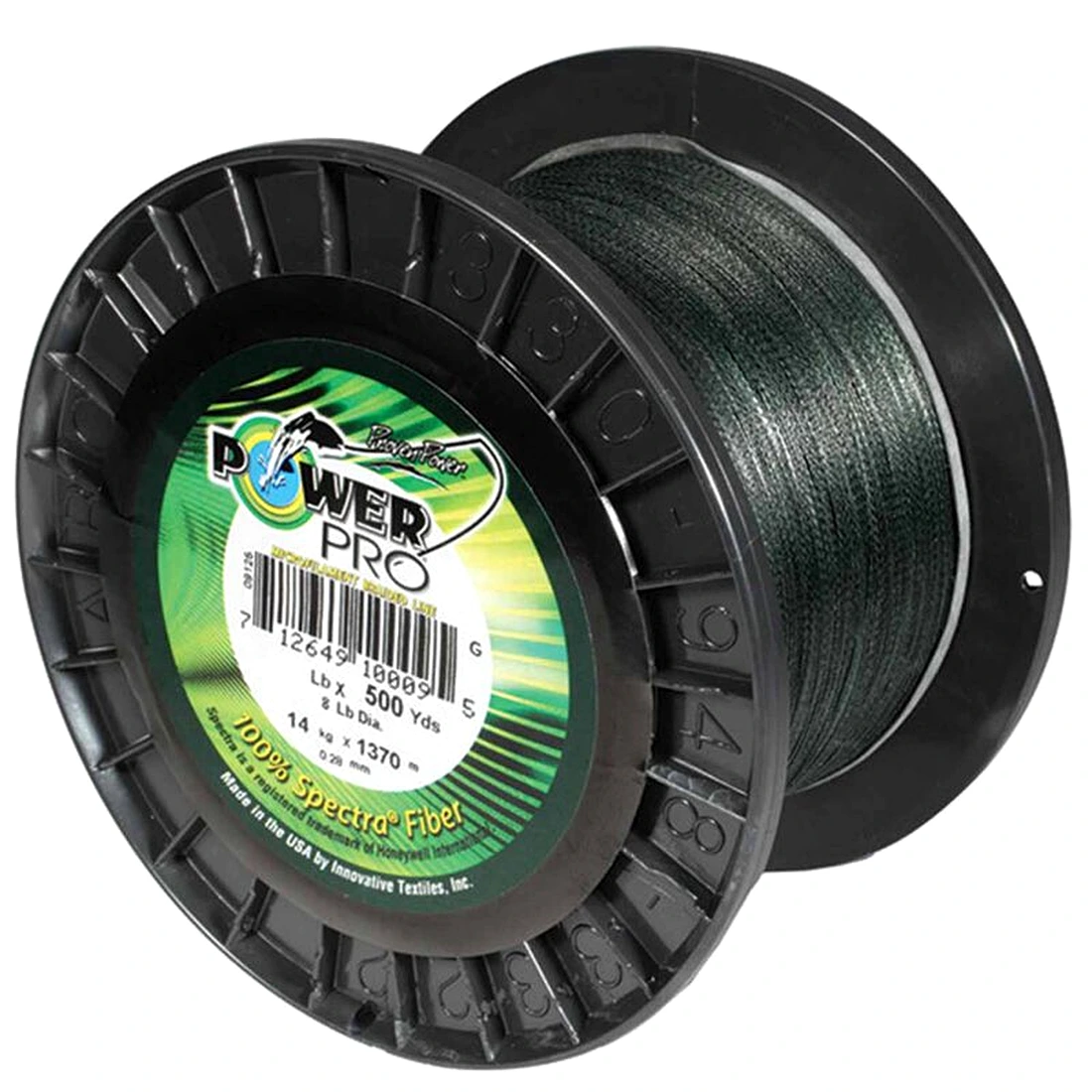
PowerPro is the braid that built the modern frogging and flipping game, and it still earns its place the honest way: it is tough, it lasts and it cuts through vegetation instead of sawing against it. The Spectra fiber construction with Enhanced Body Technology keeps the line round and manageable, which matters on a baitcaster because a line that packs unevenly will dig into itself on the hookset.
Where PowerPro separates itself is longevity. A spool of PowerPro fishes well for multiple seasons, and plenty of anglers flip the line end-for-end to get a second life out of it. For heavy-cover bass fishing, where 50 to 65 lb braid is the standard, this is the benchmark everything else gets compared against.
Best value braided line
Daiwa J-Braid x8
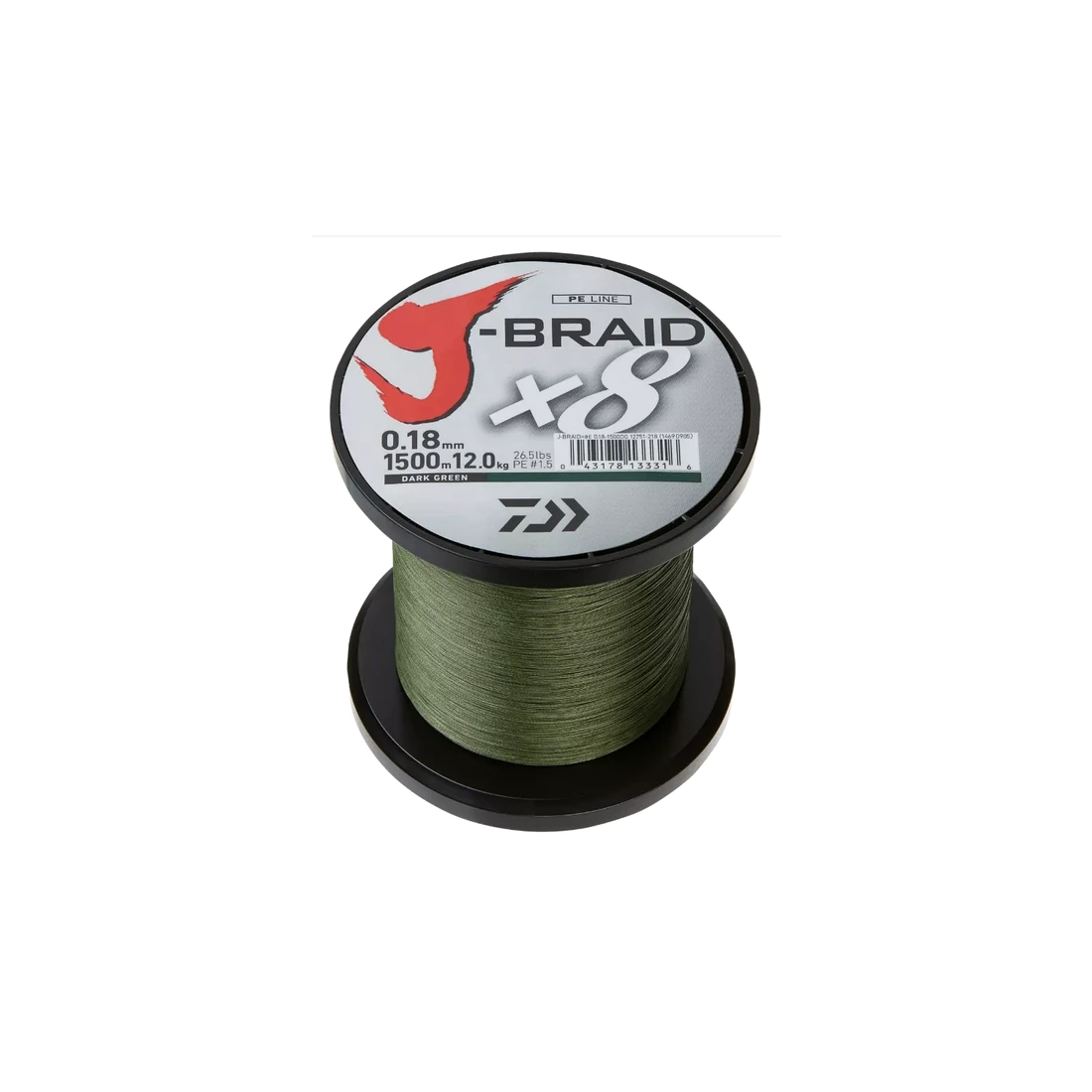
J-Braid x8 is the line I point beginners toward when they ask what to spool first. It is an 8-carrier braid at a price that usually sits well below the premium options, and it behaves like a more expensive line on the cast: smooth, round and easy to manage. Daiwa’s Izanas polyethylene fibers give it a soft feel that is forgiving while you are still learning thumb control.
The trade I would flag honestly is abrasion resistance. Against rock and wood, J-Braid does not hold up quite as long as 832 or PowerPro, so check the first few feet of line more often when you are fishing hard cover. For open water, grass edges and general bass fishing, it is genuinely hard to beat for the money. If your backlashes still need work, a smoother budget braid like this one is also cheaper to learn on.
Quietest casting braided line
SpiderWire Stealth
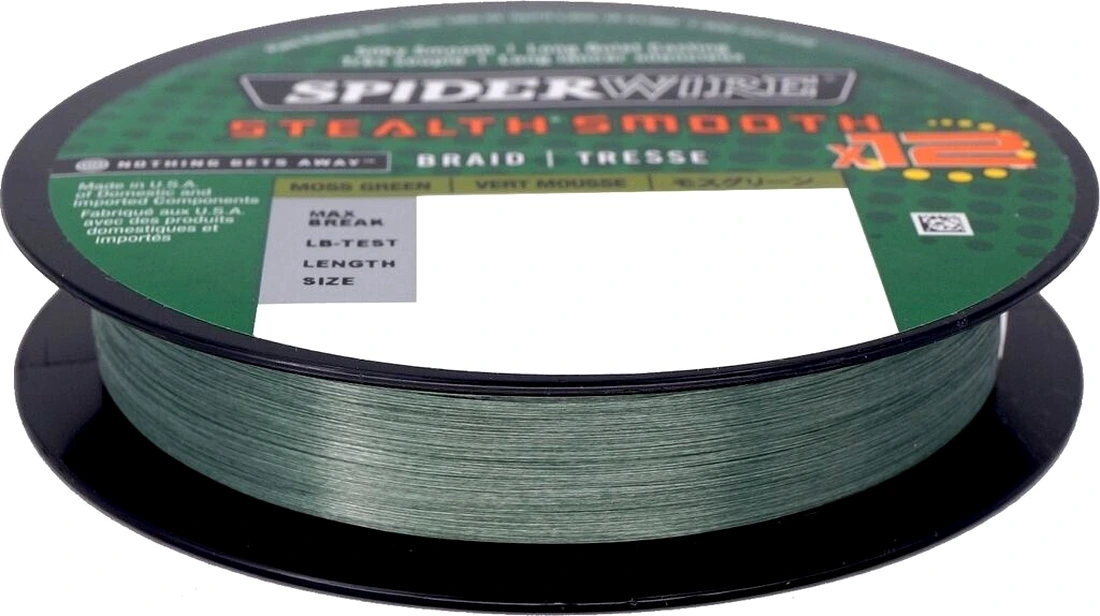
Some braids announce every cast with a zip through the guides. Stealth does not. The fluoropolymer-treated Dyneema fibers give it a slick, almost waxy feel that slides quietly and casts a long way, which is a real advantage when you are working clear water or fishing around pressured fish that notice everything.
It is also one of the thinner braids at a given pound test, so you gain a little casting distance and fit more line on the spool. The honest downside is that the coating is doing a lot of the work: once it wears after a season of hard use, the line loses some of that signature smoothness. Treat it as a performance line with a defined lifespan and it will treat you well. Pair it with a properly tuned reel (see how to adjust your baitcasting reel) and the casting gains are immediate.
Best budget braided line
KastKing SuperPower
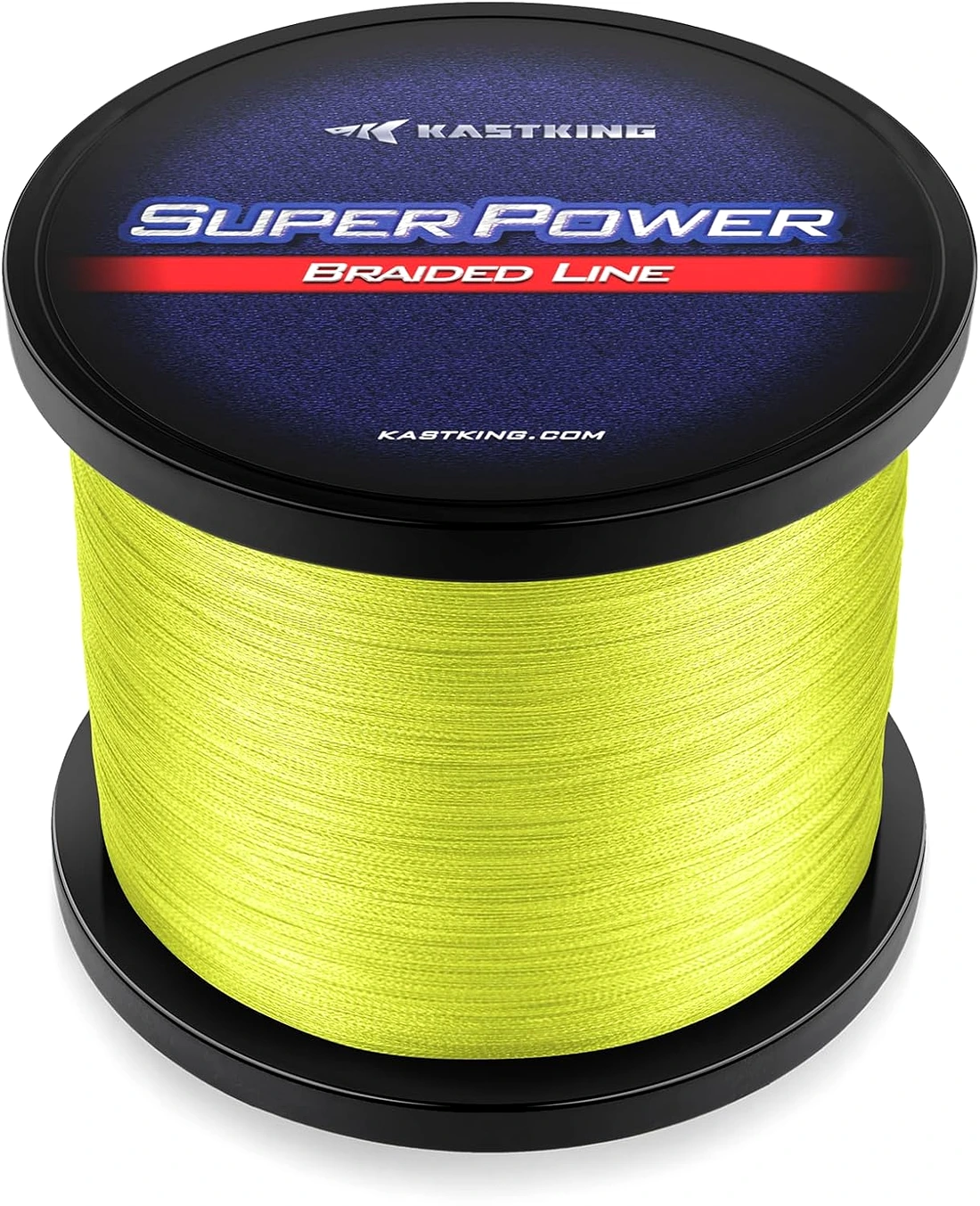
SuperPower is the reason budget braid stopped being a gamble. It is a straightforward 4-carrier PE braid that does the fundamentals right: strong, low stretch, no memory and a small diameter for its rating. When you are spooling three or four reels, or you are new enough that backlashes still happen, the price difference against premium braid buys a lot of forgiveness.
Be realistic about what it is. A 4-carrier braid will never feel as round or as quiet as an 8-carrier line, and the coating is basic, so expect some fading and a slightly rougher feel through the guides. None of that stops fish from biting. For beginners building their first setups, this is the smartest money in the category.
Quick comparison of all 5 braids
| Line | Carriers | Pound-test range | 30 lb diameter | Color options | Best technique |
|---|---|---|---|---|---|
| Sufix 832 Advanced Superline | 8 (7 Dyneema + 1 GORE) | 6–80 lb | 0.28 mm | Lo-Vis Green, Hi-Vis Yellow, Ghost, Neon Lime | All-around bass fishing |
| PowerPro Spectra | 4 | 10–150 lb | 0.28 mm | Moss Green, Hi-Vis Yellow, Vermilion Red, Timber Brown | Frogs, flipping, heavy cover |
| Daiwa J-Braid x8 | 8 | 6–100 lb | 0.28 mm | Dark Green, Light Gray, Chartreuse, Multi-Color | General bass, beginners |
| SpiderWire Stealth | 8 (Smooth 12 available) | 6–100+ lb | 0.28 mm | Moss Green, Hi-Vis Yellow, Blue Camo, Aqua Camo | Clear water, long casts |
| KastKing SuperPower | 4 | 10–150 lb | 0.28 mm | Moss Green, Hi-Vis Yellow, Gray, Blue | Budget all-around, heavy cover |
Pound test by technique: the chart the other guides skip
Most braid guides tell you braid is strong and stop there. On a baitcaster, pound test is really a diameter decision: thinner line casts farther and fits more on the spool, while heavier line resists digging into itself and survives cover. Here is how I break it down for bass fishing.
Finesse and light presentations: 10 to 20 lb
Light jigs, weightless soft plastics and small crankbaits pair with 10 to 20 lb braid, usually with a fluorocarbon leader. This range shines on smaller baitcasting reels and BFS-style setups where spool startup matters. Go lighter only if your reel is tuned for it; ultra-thin braid digs badly on a hard hookset.
All-around bass fishing: 30 lb
Thirty-pound braid is the default answer for a reason. At roughly the diameter of 8 lb monofilament, it casts well, handles jigs, Texas rigs, spinnerbaits and medium crankbaits, and still has enough body to resist digging. If you own one baitcaster and fish one line, make it 30 lb.
Heavy cover and power techniques: 50 to 65 lb
Frogs over matted grass, flipping into brush and punching thick vegetation demand 50 to 65 lb. The thicker diameter is the point here: it will not slice into the spool under a violent hookset, and it has the brute strength to drag a bass out of cover before it wraps you around a limb. This is PowerPro and SuperPower territory.
Braid diameter equivalents
| Braid pound test | Approx. diameter | Roughly equals mono of |
|---|---|---|
| 10 lb | 0.15 mm | 2 lb |
| 20 lb | 0.23 mm | 6 lb |
| 30 lb | 0.28 mm | 8 lb |
| 50 lb | 0.36 mm | 12 lb |
| 65 lb | 0.41 mm | 16 lb |
Backing: the step beginners skip
Braid is slick. Tied directly to a bare aluminum spool, it can spin under pressure instead of gripping, which feels exactly like a slipping drag and costs fish. The fix is simple: put 10 to 20 yards of monofilament on the spool first, then attach the braid with a double uni knot, or wrap a single layer of electrical tape around the bare spool before tying on.
The second reason for backing is economy. A 150-yard spool of premium braid does not need to fill a deep 150-size spool by itself. Mono backing fills the bottom half, so you get a full spool with half the braid. Spool everything tight and even; loose braid is what digs into itself on the hookset. Our spooling guide walks through the tension technique step by step.
Leader guide: when braid needs help
Braid’s weakness is visibility. In clear water or around pressured fish, tie on 6 to 10 feet of fluorocarbon leader with an FG knot or Alberto knot. The leader disappears underwater while the braid keeps its sensitivity and strength. In stained water, heavy cover or low light, most anglers tie braid straight to the lure and never look back.
One more honest note: braid floats, so it is a poor choice as a main line for deep crankbaits or any presentation where you want the line to help the lure dive. That is a fluorocarbon job. Line choice should follow the technique, not the other way around, which is why a reel-versus-reel comparison only tells half the story without matching line to the task.
4-strand vs 8-strand on a baitcaster
Carrier count is the single biggest predictor of how a braid behaves on a baitcasting reel. Four-strand braids (PowerPro, SuperPower) are tougher and more abrasion resistant, with a slightly textured feel. They excel in heavy cover where the line takes punishment. Eight-strand braids (Sufix 832, J-Braid x8, Stealth) are rounder, smoother and quieter, so they cast farther and handle better on the spool.
My rule of thumb: fish 4-strand when abrasion is the main enemy (grass, wood, rock) and 8-strand when casting performance and smoothness matter most. Either works fine for general bass fishing, so let the cover decide. If backlashes are still part of your life, a smooth 8-strand line is marginally more forgiving, and reels with strong braking systems help even more.
Line color: hi-vis or low-vis?
Low-vis green blends into most water and is the safe default. Hi-vis yellow lets you watch the line for subtle bites and track lure position, which is a genuine advantage for bottom-contact techniques; just add a fluorocarbon leader if the water is clear. For saltwater crossover use, darker greens hold up best against sun and salt.
Final verdict: which braided line should you buy?
One line for everything: Sufix 832 Advanced Superline in 30 lb. It is the smoothest, most versatile braid here and the easiest recommendation to stand behind.
Heavy cover specialist: PowerPro Spectra in 50 or 65 lb. Nothing in this price range outlasts it in grass and wood.
Best value: Daiwa J-Braid x8. Eight-carrier performance that embarrasses braids costing twice as much, with slightly less abrasion resistance as the trade.
Clear water and distance: SpiderWire Stealth. The quietest, slickest cast of the group.
Tightest budget: KastKing SuperPower. Honest strength for very little money; the smart pick while you are still learning.
Whichever you choose, spool it tight over mono backing, match the pound test to the technique chart above, and give the line a quick inspection after every heavy-cover trip. Good braid lasts seasons; neglected braid does not.
Frequently asked questions about braided line for baitcasters
What is the best braided line for a baitcaster?
Sufix 832 Advanced Superline is the best all-around pick for baitcasting reels thanks to its round 8-carrier construction, smooth casting and strong abrasion resistance. PowerPro Spectra is the top choice for heavy cover, and Daiwa J-Braid x8 is the best value.
What pound test braid should I use on a baitcaster?
Use 30 lb braid for all-around bass fishing, 10 to 20 lb for finesse and light presentations, and 50 to 65 lb for frogs, flipping and heavy cover. Thirty-pound braid has roughly the diameter of 8 lb monofilament, so it casts well while resisting digging.
Do I need backing with braided line on a baitcaster?
Yes. Braid is slick and can spin on a bare spool under pressure, which feels like a slipping drag. Put 10 to 20 yards of monofilament on first (joined with a double uni knot) or wrap a layer of electrical tape around the spool. Backing also saves money by filling the spool so you use less braid.
Should I use a leader with braid on a baitcaster?
In clear water or around pressured fish, tie 6 to 10 feet of fluorocarbon leader to the braid with an FG or Alberto knot. In stained water or heavy cover, tie braid directly to the lure. Braid floats, so switch to fluorocarbon as a main line for deep-diving presentations.
Is 4-strand or 8-strand braid better for baitcasters?
Four-strand braid is tougher and more abrasion resistant, making it better for heavy cover. Eight-strand braid is rounder, smoother and quieter, so it casts farther and handles better on the spool. Choose 4-strand for punishment and 8-strand for casting performance.
How often should I replace braided line?
Quality braid lasts two to three seasons with regular use, far longer than mono or fluorocarbon. Inspect the first few feet for fraying after fishing heavy cover, trim damaged sections, and flip the line end-for-end to double its life. Replace it when it feels fuzzy, faded or loses strength at the knot. A quick wipe-down after trips (see our reel cleaning guide) keeps the whole setup performing longer.
Keep learning
Round out your setup with our technique guides:
- How to spool a baitcasting reel
- How to remove backlash from a baitcaster
- How to set up a baitcaster for bass fishing
- Best baitcasting reels for beginners
- Best baitcasting combos
- Baitcasting reel vs spinning reel
Manufacturer references: PowerPro (Shimano) and Daiwa publish full line specifications and diameter charts for their braids.
© baitcastingreelz.com · Affiliate disclosure: As an Amazon Associate, baitcastingreelz.com earns from qualifying purchases. This does not change the editorial selection criteria. Editorial note: “Buy From Amazon” buttons take you to Amazon; product availability, specifications and prices can change.