Single Reel Review
Daiwa Tatula 100 Review: Compact Power, Honest Verdict
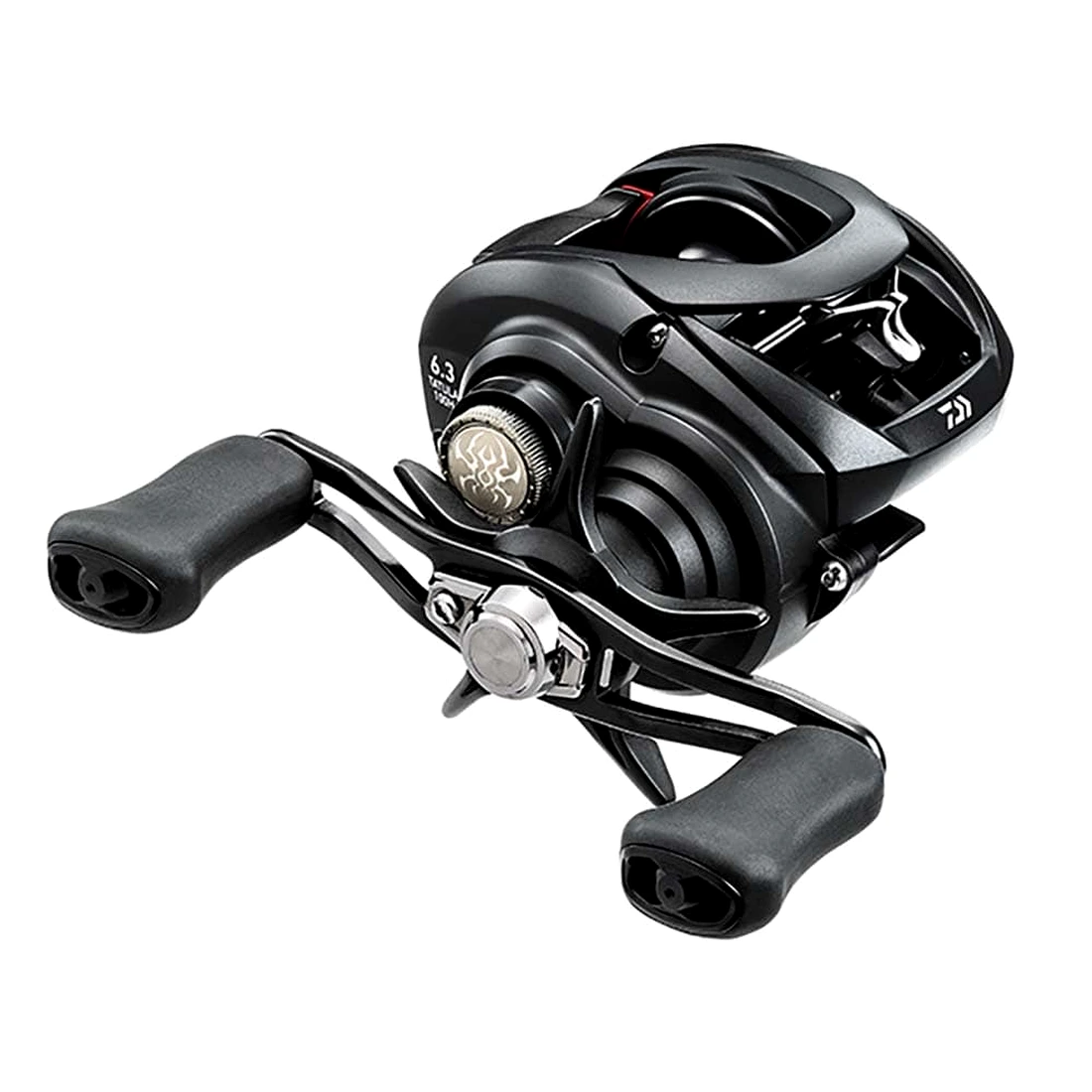
The Daiwa Tatula 100 is a compact 6.9 oz aluminum baitcaster with the T-Wing line guide, Magforce Z braking and a 7+1 bearing drive, typically selling around $200. It casts a mile with medium to heavy lures and palms smaller than its specs suggest. But it is not the backlash-proof SV spool model, its line capacity is modest, and a few owners report a geary noise on the cast. Here is the full, honest breakdown.

Affiliate disclosure: As an Amazon Associate, baitcastingreelz.com earns from qualifying purchases made through links on this page, at no extra cost to you. This review is independent; the verdict below includes real weaknesses owners have reported.
Quick verdict
I have spent a lot of time around the Tatula platform, and the 100 is the version I point people toward when they want Daiwa refinement in the smallest package that still fishes like a full-size reel. The first thing you notice is how it disappears in your hand. At 6.9 ounces with a low-profile aluminum frame, it palms closer to a 70-size reel than a 100, and that matters on a long day of casting.
On the water, the Magforce Z brake behaves exactly the way a good magnetic system should. It is predictable. Set the dial, set the Zero Adjuster so the spool has just a whisper of side play, and the reel does the same thing on cast one and cast one hundred. It will not babysit you the way the SV spool does on a weightless worm, but for spinnerbaits, squarebills, Texas rigs and jigs in the 3/8 to 3/4 oz range, it is genuinely hard to fault.
That said, this review would be worthless if it skipped the complaints. A small but consistent group of owners reports a geary or whiny noise on the cast with the standard 100, something rarely mentioned about the SV models. The Zero Adjuster knob can be stiff out of the box. And if you fish braid with a long leader, the connection knot can catch as it passes through the T-Wing guide. None of these are dealbreakers, but you deserve to know them before spending around $200. That is what the cons section is for.
Tatula 100 specs (factory numbers)
These are Daiwa’s published specs, not marketing copy. All six handedness and ratio versions share the same frame, weight and drag.
Tatula 100 vs Tatula SV TW vs Tatula Elite
This is the comparison most reviews skip, and it is the one that actually decides the purchase. All three share the Tatula DNA, but the spools and the price tags tell different stories.
| Spec | Tatula 100 | Tatula SV TW 100 | Tatula Elite 100 |
|---|---|---|---|
| Gear ratios | 6.3:1 / 7.1:1 / 8.1:1 | 6.3:1 / 7.1:1 / 8.1:1 | 6.3:1 / 7.1:1 / 8.1:1 |
| Bearings | 7+1 | 7+1 | 7+1 |
| Max drag | 11 lb | 11 lb | 13.2 lb |
| Braking system | Magforce Z (magnetic) | SV Boost (air brake) | Magforce Z |
| Mono capacity | 14/120, 16/100 | 10/100 | Not listed |
| Braid capacity | 30/130, 40/100 | 30/65 | Not listed |
| Weight | 6.9 oz | 6.9 oz | Heavier (pitch/flip build) |
| Price tier | Mid-range, typically around $200 | Mid-range, typically around $200 | Higher, typically around $280 |
| Best for | 3/8 oz and up, distance casting | Light lures, backlash resistance | Pitching and flipping specialists |
The practical takeaway: the 100 and the SV TW cost about the same, so the choice is purely about your lure range. If your box is full of jigs, spinnerbaits, crankbaits and frogs, the 100’s Magforce Z spool gives you more casting distance and a more traditional feel. If you spend your days on weightless Senkos, Ned rigs and light Texas rigs, the SV TW’s air-brake spool will save you from more backlashes. The Elite only makes sense if pitching and flipping is your primary game and you want the stronger 13.2 lb drag; for general bass fishing it is money you do not need to spend. I cover the SV TW in detail in my Tatula SV TW review, and if you are cross-shopping with Shimano, my Shimano Curado DC review covers the closest Shimano rival at this price.
Key features, explained honestly
T-Wing System (TWS)
This is Daiwa’s T-shaped line guide, and it is the single most visible difference between a Tatula and everything else on the shelf. On the cast, the wide part of the T opens up so line pours off the spool with less angle and less friction. On the retrieve, the narrow part guides line back on evenly. In practice, you feel it as slightly longer casts and noticeably less line noise, especially with braid. The one real tradeoff: a braid-to-leader connection knot has more guide to snag on. If you run leaders longer than about 7 feet, keep the knot small (an FG knot seats slimmer than a double uni) or expect the occasional tick on the cast. A few owners learned this the hard way.
Magforce Z
Magforce Z is a magnetic brake where the magnets move relative to the spool as spool speed changes, so braking is strongest at the start of the cast when backlash risk is highest, then backs off as the lure flies. It is the reason the Tatula 100 feels so controlled without constant dial fiddling. Compared with centrifugal systems, magnets are simpler to adjust on the fly and more forgiving in wind than centrifugal brakes. If backlashes are your main frustration, my backlash removal guide walks through the fixes that actually work. The SV spool on the sibling model is a step beyond this, but Magforce Z remains one of the best pure magnetic systems at this price.
Zero Adjuster
The Zero Adjuster is Daiwa’s spool tension knob with a true zero point, so you can dial tension down to nothing and let the Magforce Z do all the work, or add just enough tension to calm a wild lure. It is genuinely useful once broken in. Out of the box, though, several owners (and I) found it stiff enough to need real effort to turn. It loosens with use. Set it so the lure falls slowly under its own weight, then leave it alone and tune with the magnetic dial.
Hyperdrive gearing and aluminum frame
The Hyperdrive Digigear meshes over a wider surface than the older Tatula gears, and you feel it as a smooth, connected crank with no grinding under load. The aluminum frame keeps everything aligned when a fish surges, and at 6.9 oz the whole package is light enough for all-day casting. This is also why the reel handles braid so well: the frame does not flex, so the gears stay meshed when 40 lb braid goes tight.
UTD drag
The Ultimate Tournament Drag uses carbon washers and is rated at 11 lb. It is smooth on the pull, with no stick-slip jerking at the start. Eleven pounds is plenty for bass techniques, but it is worth knowing the ceiling if you ever point this reel at something bigger. For true heavy work, a 150 or 200-size reel with more capacity and drag is the honest recommendation; see my best baitcasting reels for bass guide for those picks.
What the Tatula 100 does well
It casts a country mile. The T-Wing plus Magforce Z combination is legitimately long-casting. With a 1/2 oz lure and 30 lb braid, this reel will embarrass reels that cost more, and it does it without drama.
It palms like a smaller reel. The redesigned frame is compact enough that anglers with smaller hands fish it comfortably all day. If the older Tatula CT ever felt blocky to you, this fixes that.
Braking is set-and-forget. Once you find your dial setting for a lure weight, you stop touching it. That consistency is what you pay for over budget reels whose brakes feel different every trip.
It loves braid. Multiple long-term owners single this out: 30 to 40 lb braid behaves beautifully on the 100, casts stay smooth, and the UTD drag stays composed. If braid is your main line, this reel is in its element. My spooling guide covers getting braid seated right the first time.
Build quality punches above the price. Aluminum frame, 7+1 bearings, Hyperdrive gears, swept 90mm handle. Nothing about this reel feels like a compromise when you turn the handle.
Honest cons (read before you buy)
Some units develop a geary noise on the cast. This is the most repeated complaint in owner reviews of the standard 100, and it is worth stating plainly: a few anglers hear a whiny, gear-like sound when casting that does not appear on the SV models. It does not seem to affect distance, but on a $200 reel it is annoying, and it is the kind of thing that would bother me too.
The Zero Adjuster is stiff when new. Enough owners mention needing real force (one mentioned pliers) to turn the tension knob at first that it is clearly a pattern, not a one-off. It frees up with use, and Daiwa reels in general feel tight out of the box for the first session or two, but expect it.
Long braid-to-leader knots can catch in the T-Wing. If you fish braid with a leader longer than roughly 7 feet, the connection knot can tick or hang as it passes through the T-shaped guide. Shorter leaders or a slim FG knot solve it, but it is a genuine quirk of the T-Wing design.
Line capacity is modest. At 14/120 mono and 30/130 braid, the 100-size spool is on the small side. For most bass fishing it is plenty, but if you make very long casts with light line or fish techniques that eat line, you will wish for a 150-size spool.
It is not a budget reel anymore. The old Tatula CT earned its following partly by street pricing near $130. The current 100 typically sells around $200, which puts it head to head with the Shimano Curado DC and the SV TW itself. At this price the value argument is thinner; you are paying for the compact frame and casting performance, so be sure those are what you want. Budget shoppers should look at my best reels under $200 and best for the money guides.
Rare magnet failures have been reported. One owner found broken magnets after light use. This looks like an isolated quality-control miss rather than a design flaw, and Daiwa’s warranty covers defects, but it is worth mentioning because a brake failure is not a small thing.
Who should buy the Tatula 100 (and who should not)
Buy it if: you throw spinnerbaits, squarebills, Texas rigs, jigs and topwater in the 3/8 to 3/4 oz range; you want the longest-casting reel in a compact frame; you fish braid as your main line; or you are stepping up from a budget reel and want something that feels meaningfully better every cast.
Skip it if: most of your fishing is weightless plastics and Ned rigs under 1/4 oz (get the SV TW); you need maximum line capacity for long leaders or big water (look at 150-size reels); you are buying your very first baitcaster on a budget (start with my best beginner baitcasting reels picks and upgrade later); or you are left-handed and unsure which side you need (my left-handed roundup and retrieve-side guide sort that out).
One more honest note: if pitching and flipping heavy cover is your whole game, the Tatula Elite’s stronger drag is worth the step up. For everything else in bass fishing, the 100 is the sweet spot of the lineup.
Setting up the Tatula 100 right
A good reel set up badly will fish worse than a cheap reel set up well. Three things matter most on the 100.
Spool it properly. Fill the spool to about 1/8 inch from the lip. Underfilled spools cost you distance; overfilled spools invite backlashes on the first hard cast. Braid users: a short mono or tape backing stops braid from slipping on the slick spool. The full process is in my how to spool a baitcaster guide.
Dial in the brakes once per lure. Start with the Magforce Z dial at about 70 percent, set the Zero Adjuster so the lure drops slowly under its own weight, make a few test casts, then back the dial down in small steps until you find the edge. Write the setting down per lure if you switch often. New to tuning? My baitcaster tips for beginners covers the learning curve without the jargon.
Match the ratio to the technique. This is where buyers go wrong most often. The 6.3:1 is for crankbaits and spinnerbaits, the 7.1:1 is the do-everything choice, and the 8.1:1 is for flipping, pitching and frogging where slack pickup wins fights. If you only buy one, buy the 7.1:1. My how to choose a baitcasting reel guide goes deeper on matching reels to techniques.
Tatula 100 FAQs
Is the Daiwa Tatula 100 good for beginners?
Yes, with a caveat. The Magforce Z brake and Zero Adjuster make it forgiving to set up, and the T-Wing guide reduces friction on the cast. But at typically around $200 it is a real investment for a first baitcaster, so beginners on a tight budget may want to start cheaper and upgrade once the basics click.
What is the difference between the Tatula 100 and the Tatula SV TW?
The 100 uses Magforce Z magnetic braking and a standard spool, which suits medium to heavy lures and longer casts. The SV TW uses the SV Boost air-brake spool, which self-regulates and handles light lures down to about 1/8 oz with fewer backlashes. Both share the aluminum frame, 7+1 bearings, 11 lb drag and 6.9 oz weight, and both typically sell around $200.
How much line does a Tatula 100 hold?
Per Daiwa’s specs: 120 yards of 14 lb mono (100 yards of 16 lb), or 130 yards of 30 lb braid (100 yards of 40 lb). It is a compact 100-size spool, so capacity is modest next to 150 and 200-size reels.
What gear ratio should I get?
6.3:1 (26.3 inches per turn) for crankbaits and spinnerbaits; 7.1:1 (29.8 inches per turn) as the all-rounder for jigs, Texas rigs and topwater; 8.1:1 (33.9 inches per turn) for flipping, pitching and fast line pickup. If you buy one, make it the 7.1:1.
Is the Tatula 100 worth it over the older Tatula CT?
The 100 brings Hyperdrive gearing, a more compact aluminum frame and the Zero Adjuster, and it palms noticeably smaller than the CT. If your CT is in good shape, the upgrade is incremental. Buying new, the 100 is the better reel.
Can you use braid on the Tatula 100?
Absolutely, and it is one of the reel’s strengths. Run 30 to 40 lb braid with a short mono or tape backing so it does not slip on the spool. Just keep braid-to-leader knots slim and leaders under about 7 feet so the knot clears the T-Wing guide cleanly.
Affiliate disclosure: As an Amazon Associate, baitcastingreelz.com earns from qualifying purchases made through links on this page, at no extra cost to you. Specs above are Daiwa’s published factory numbers; street prices move, so check the current listing before ordering. For manufacturer details, see Daiwa US. New to the sport? Take Me Fishing has free beginner resources worth bookmarking.