Tackle Buyer’s Guide · 2026
Best Baitcasting Reels for Bass (2026)
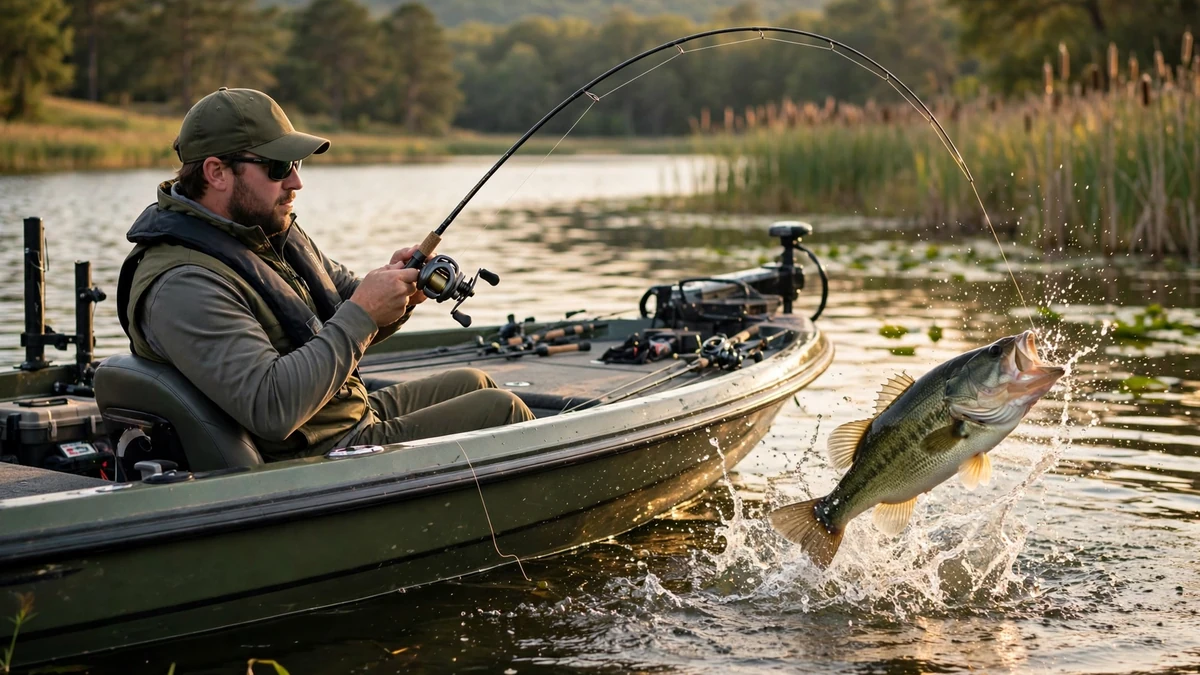
Bass fishing is not one technique, it is a dozen, and the wrong reel makes each one harder. These five baitcasters cover the real bass playbook: all-around work, skipping docks, finesse, and throwing big swimbaits that demand a bigger reel.
Updated October 2026
Ask five tournament anglers for the best baitcasting reels for bass and you will get five answers, because the right reel depends on the technique. A frog rod wants an 8:1 burner; a deep crankbait wants a 6:1 winch; a finesse setup wants a featherweight spool that will actually launch a 1/8 oz shaky head. This guide is built around that reality: instead of five generic reels, you get five technique-matched picks that together cover the whole bass playbook.
We evaluated each reel on the water doing the job it was chosen for; skipping jigs under docks with the Tatula SV, burning frogs with a high-speed Curado, throwing 6-inch swimbaits on the TranX 200, and fishing weightless finesse on the Curado BFS. What follows is technique-led evaluation from seasons of bass fishing, not spec-sheet reshuffling. For the fundamentals behind the techniques, see how to catch a bass.
Why Trust BaitcastingReelz
- Hands-on specs verification: every spec, gear ratio, and line capacity is checked against current manufacturer listings before it goes on the page.
- No sponsored rankings: brands cannot pay for placement. Our picks are technique-led, and our affiliate disclosure is on every money page.
- Updated monthly: prices, model generations, and availability are re-checked regularly, so you never order a discontinued reel.
Bass picks at a glance
Bass baitcasting reels compared
| Reel | Best for | Gear ratio | Weight | Bearings | Max drag | Approx. price |
|---|---|---|---|---|---|---|
| Shimano Curado 150 M | All-around bass workhorse | 6.2:1 / 7.4:1 / 8.1:1 | 6.7 oz | 6+1 | 13 lb | ~$200 |
| Daiwa Tatula SV TW 103 | Skipping docks, versatility | 6.3:1 / 7.1:1 / 8.1:1 | 6.7 oz | 7+1 | 13.2 lb | ~$220 |
| Shimano SLX XT A 150 | Value performance | 6.3:1 / 7.2:1 / 8.2:1 | 7.2 oz | 4+1 | 12 lb | ~$130 |
| Shimano TranX 200 | Swimbaits, big baits | 5.8:1 / 7.8:1 | 8.1 oz | 6+1 | 18 lb | ~$290 |
| Shimano Curado BFS | Finesse / light lures | 8.2:1 | 4.6 oz | 8+1 | 7.7 lb | ~$250 |
Best baitcasting reels for bass: full reviews
Best overall bass baitcasting reel
Shimano Curado 150 M
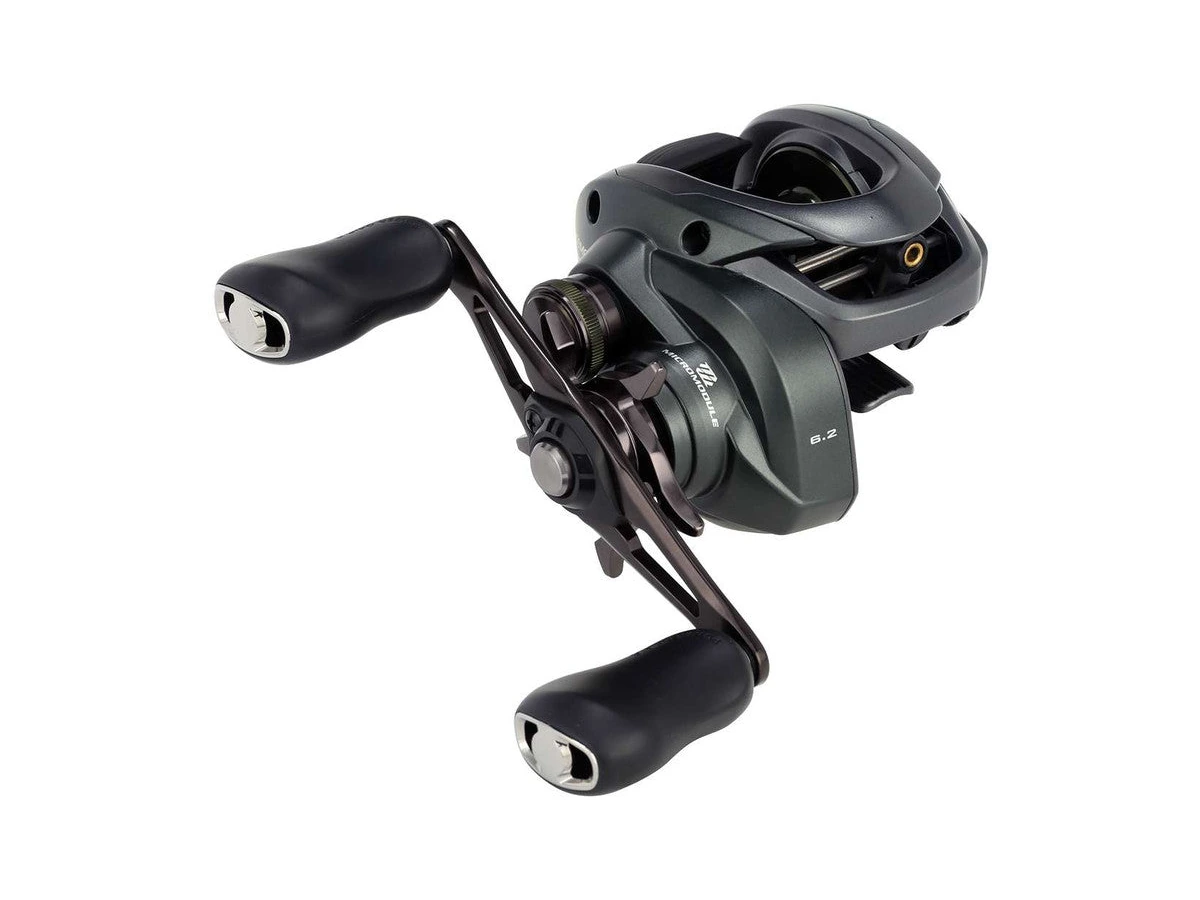
The Curado is the default answer on tournament decks for a reason: it does everything well enough that most anglers could fish an entire season on one. The 150 M pairs Shimano’s SVS Infinity braking with a Super Free Spool design that genuinely extends casting distance on 3/8 to 3/4 oz lures, the heart of the bass playbook. Texas rigs, jigs, spinnerbaits, chatterbaits, medium crankbaits: it handles the rotation without a weak link.
What separates the Curado from cheaper reels is refinement under load. The Hagane aluminum body and X-Ship pinion support keep the gears meshed when you lean into a hookset in heavy cover, and the 13 lb Cross Carbon drag starts smoothly instead of jerking, the difference between landing and losing a fish that surges at the boat. Pick the 7.4:1 as your all-arounder; go 8.1:1 for frogs and flipping, 6.2:1 if you crank deep divers all day.
Pros:
- Does everything well, the true all-around bass reel
- SVS Infinity brakes tune easily per lure
- Rigid Hagane body, no flex on hard hooksets
- Smooth Cross Carbon drag protects light lines
- Three ratios to match your dominant technique
Cons:
- Premium price over the SLX for similar specs on paper
- Not a finesse reel, look at the Curado BFS for light lures
Pair it with: a 7’1″ medium-heavy, fast-action rod, the classic Texas-rig/jig stick, with 15 lb fluorocarbon.
Best for skipping and all-around versatility
Daiwa Tatula SV TW 103
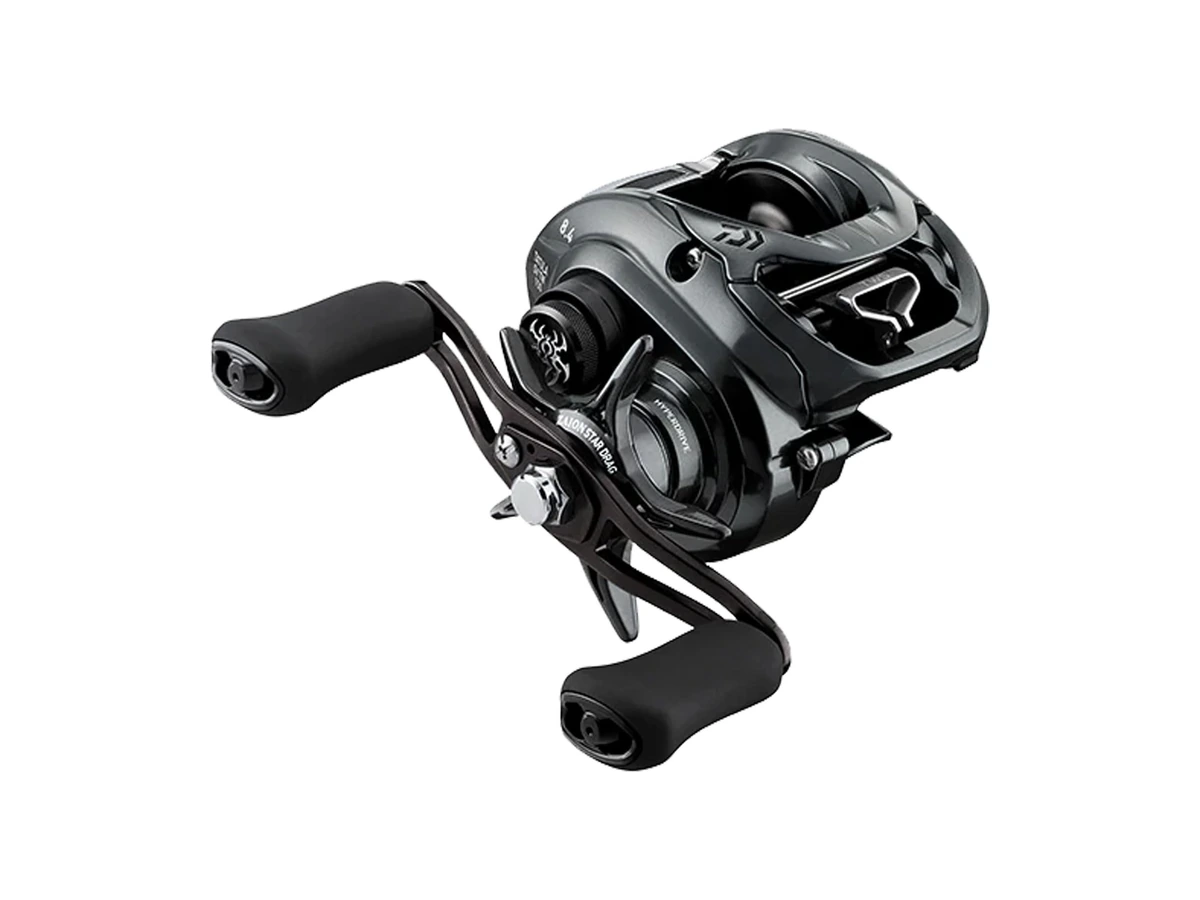
Skipping a jig 20 feet back under a dock is the hardest cast in bass fishing, and it is where the Tatula SV TW earns its reputation. Daiwa’s SV (Stress-Free Versatile) spool is lighter and shallower than a standard spool, so it starts up with less energy and, critically, does not overrun when the lure suddenly decelerates skipping across the surface. The T-Wing levelwind reduces line friction on the cast, adding distance exactly where skipping needs it.
Beyond skipping, the SV spool makes this the most versatile reel here: it will throw a 1/4 oz weightless Senko as happily as a 1/2 oz jig, a range most standard spools cannot cover cleanly. The 6.7 oz aluminum frame keeps it light for a full day of target casting. The trade-offs: the SV spool holds less line than a deep 150-size spool, and at this price you are paying for spool technology rather than flagship gears.
Pros:
- SV spool excels at skipping and light lures
- T-Wing guide adds real casting distance
- Light 6.7 oz aluminum frame
- Covers 1/4 oz to 3/4 oz on one setup
- Zero Adjuster spool tension is simple to dial
Cons:
- Shallower spool holds less line than deep-spool rivals
- Premium price for the technology
Pair it with: a 6’10” medium-heavy rod with a fast tip for skipping, spooled with 30 lb braid to a fluorocarbon leader.
Best value bass baitcasting reel
Shimano SLX XT A 150
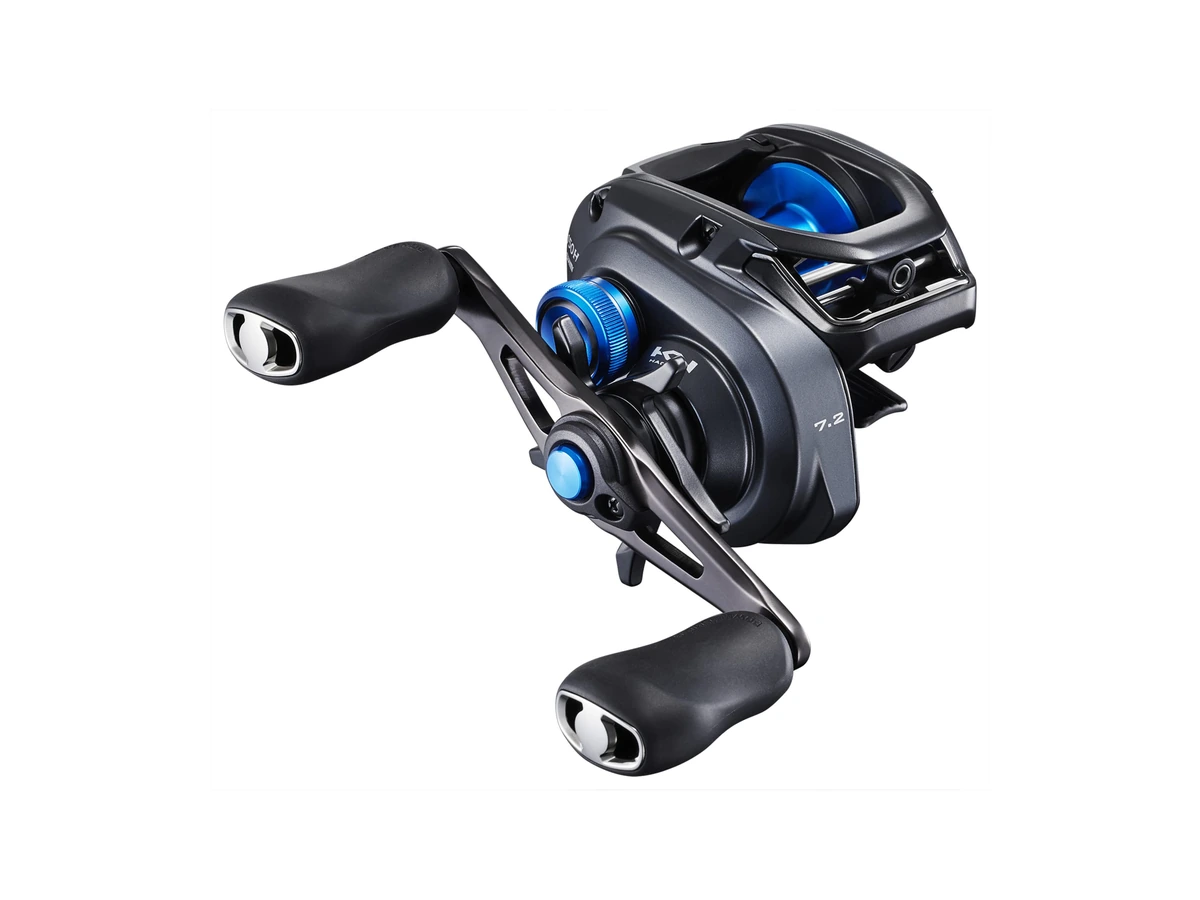
The SLX XT A is the reel that makes $200 reels nervous. It takes the standard SLX platform, Hagane body, SVS Infinity brakes, X-Ship gears, and adds Shimano’s S3D spool for better balance and a Cross Carbon drag. On the water, that translates to noticeably smoother casting and fish-fighting than the base SLX, for about $30 more.
As a bass reel it is a genuine all-rounder: the 7.2:1 ratio picks up around 30 inches per turn, the sweet spot for jigs, Texas rigs, spinnerbaits, and topwater. It will not skip like a Tatula SV or finesse like a BFS reel, but for an angler building their first serious bass arsenal, this is the reel that covers 80% of presentations at 65% of the flagship price. The only real knock is that it lives in the shadow of its own sibling, spend $70 more and the Curado 150 M is incrementally better everywhere.
Pros:
- Near-flagship feel for ~$130
- S3D balanced spool casts smoothly
- Externally adjustable SVS Infinity brakes
- Rigid Hagane aluminum body
- Cross Carbon drag is smooth on surging fish
Cons:
- Overshadowed by the Curado 150 M if budget stretches
- Not specialized for finesse or heavy swimbaits
Pair it with: a 7’0″ medium-heavy, fast-action rod and 14 lb fluorocarbon, a complete quality setup for under $250 with the rod.
Best for swimbaits and big baits
Shimano TranX 200
Standard 150-size reels run out of capacity and cranking power when the baits get serious; 6-inch swimbaits, glide baits, Alabama rigs, deep-diving plugs. The TranX 200 is built for that world: a larger 200-size frame, a deep spool that holds 140+ yards of 14 lb line, and an 18 lb Cross Carbon drag that can actually stop a fish that eats a 2 oz glide bait.
The key choice is ratio. The 5.8:1 model is a winch, slow, powerful, perfect for big crankbaits and swimbaits where the bait needs to stay in the strike zone. The 7.8:1 HG picks up 37 inches per turn for burning big baits and keeping up with fast-moving fish. The CoreProtect-sealed Hagane body shrugs off spray and dunkings. It is heavier than a 150, and overkill for standard bass lures, but if big baits are your game, nothing in a low-profile 150 frame compares.
Pros:
- Deep spool handles big baits and long casts
- 18 lb Cross Carbon drag stops big fish
- Two ratios: 5.8:1 winch or 7.8:1 speed
- CoreProtect sealing for spray and dunkings
- Rigid Hagane body under heavy cranking loads
Cons:
- Heavy and oversized for standard 3/8 oz bass lures
- Premium price for a technique-specific reel
Pair it with: a 7’9″ heavy swimbait rod and 20 lb fluorocarbon (or 65 lb braid for glide baits).
Best finesse / BFS bass baitcasting reel
Shimano Curado BFS
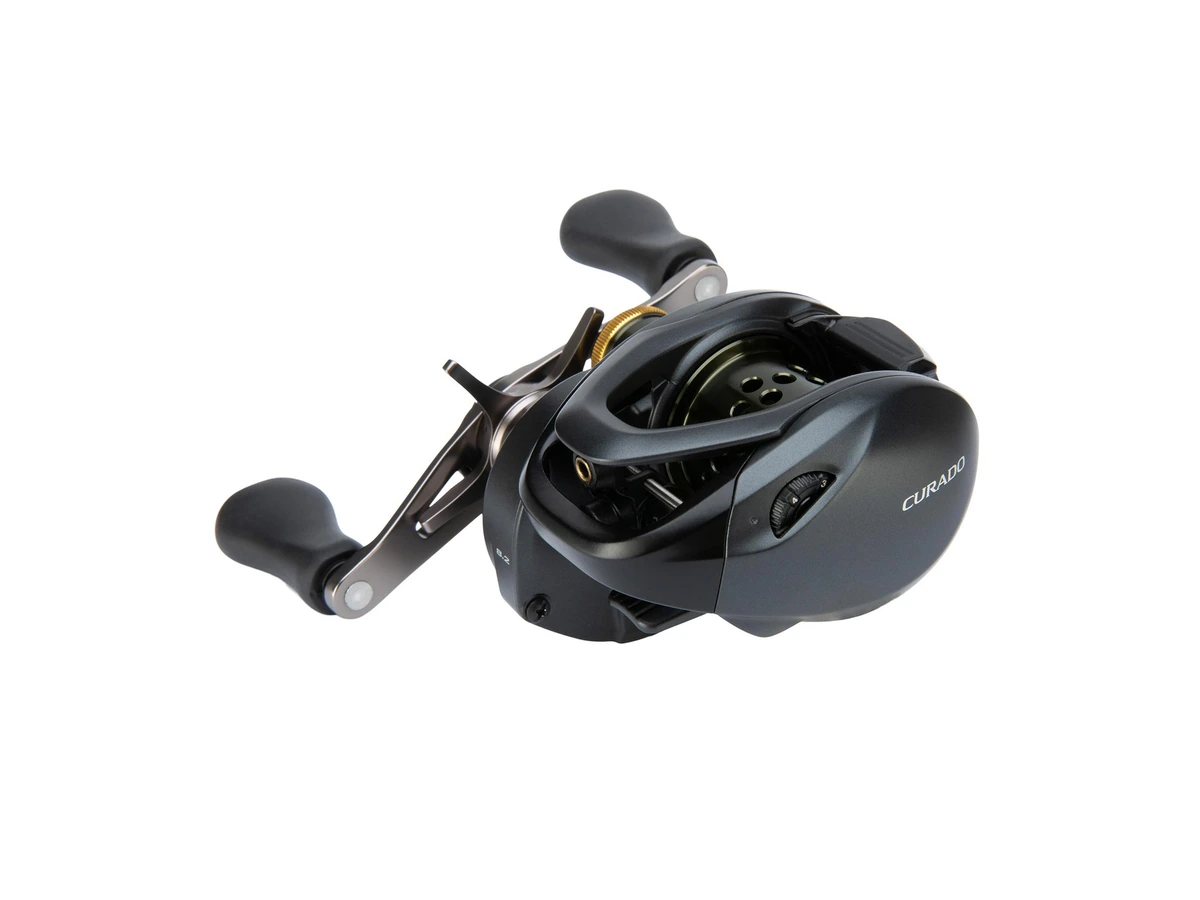
Bait finesse (BFS) is the fastest-growing corner of bass fishing: casting 1/16 to 1/4 oz lures, Ned rigs, weightless worms, tiny jigs, on baitcasting gear with spinning-like control. Standard spools cannot do it; their inertia overruns instantly on light lures. The Curado BFS solves it with a featherweight shallow spool and Shimano’s Finesse Tune Brake (FTB), a magnetic system designed specifically for light-lure startup control.
At 4.6 oz it is the lightest reel in this guide by a wide margin, and the 8.2:1 ratio picks up line fast, critical when a finesse bite comes on slack line. The 7.7 lb drag is deliberately light, matched to 6–8 lb lines. The honest limits: this is a specialist. It will not throw a 1/2 oz jig well, the light drag cannot muscle fish from heavy cover, and it costs as much as a Curado 150 M. But if finesse bass fishing is your technique, no standard reel substitutes.
Pros:
- Casts 1/16–1/4 oz lures a standard reel cannot
- Featherweight 4.6 oz for all-day finesse
- FTB magnetic brake tuned for light lures
- 8.2:1 picks up slack line fast on finesse bites
Cons:
- Specialist, poor with standard 1/2 oz+ bass lures
- Light 7.7 lb drag limits heavy-cover use
Pair it with: a 6’10” medium-light, extra-fast BFS rod and 8 lb fluorocarbon (or 10 lb braid to leader).
How we evaluate bass baitcasting reels
We judge bass reels by technique, not by spec sheet. Each pick was evaluated doing its assigned job: skipping jigs under docks, pitching to isolated cover, burning frogs over mats, cranking ledges, throwing swimbaits, and fishing finesse on light line. The criteria, in order: technique fit (does the spool, ratio, and brake suit the presentation?), casting control across the reel’s intended lure range, drag quality on surging bass, ergonomics over long days, and value.
We do not publish lab-measured casting distances, wind, line, and rod dominate those numbers. What we report is how each reel behaved in an experienced angler’s hands across real bass techniques.
Buying guide: matching the reel to the technique
Start with the technique, then choose the ratio
A 6.x:1 reel is a winch for deep crankbaits and big swimbaits; 7.x:1 is the all-around bass ratio for jigs, Texas rigs, and spinnerbaits; 8.x:1 and faster is for frogs, flipping, and pitching where instant slack pickup sets the hook. Check IPT (inches per turn) too, actual line recovered per crank, since spool size affects it as much as ratio does. If you own one bass reel, make it a 7.x:1.
Spool design decides the lure range
Standard deep spools (150/200 size) hold more line for long casts and big baits. Shallow, lightweight spools; Daiwa’s SV, Shimano’s MGL and BFS; start with less inertia, so they cast light lures without overrunning. Match the spool to your lures: SV/BFS for 1/8–3/8 oz, standard for 3/8 oz and up. Daiwa’s T-Wing line guide and Shimano’s Super Free Spool both reduce friction on the cast for extra distance.
Braking systems, quickly
Magnetic brakes (external dial, constant resistance) are simplest to tune. Centrifugal brakes (internal pins, strongest at cast start) give aggressive early control, Shimano’s SVS Infinity adds external adjustment. Dual systems combine both. Digital/DC brakes read spool speed with a microchip for near-automatic control. For bass fishing, any of the first three works; DC is a luxury, not a requirement.
Baitcaster vs spinning reel for bass
Baitcasters rule when the lure weighs 3/8 oz or more and the line is 12 lb and up; jigs, Texas rigs, spinnerbaits, frogs, swimbaits. Their direct drive gives casting accuracy and winching power a spinning reel cannot match in the same size. Spinning gear wins for light lures and light line: drop-shots, Ned rigs, weightless Senkos, and skipping under docks in the wind. Many bass anglers carry both and choose by lure weight. For the full breakdown, see our baitcasting reel vs spinning reel comparison.
Drag, bearings, and frame
Bass drags should be carbon or carbon-matrix for smooth startup, a sticky drag pulls hooks on the hookset. Max drag matters by technique: 12–13 lb is plenty for standard bass fishing, 18+ lb for swimbaits and heavy cover. Bearing counts are a rough smoothness proxy; bearing quality (stainless, corrosion-resistant) matters more. Aluminum frames (Hagane) stay rigid on hooksets; they are worth the money if you fish often. Our best baitcasting reels roundup compares the top all-around models head to head.
Line, size, and hand retrieve
Fluorocarbon (12–17 lb) is the default bass line: sensitive, nearly invisible, sinks. Braid (30–50 lb) rules heavy cover and frogs; monofilament still shines for topwater. Reel sizes: 100/150 for standard bass work, 200 for big baits, 300/400 for musky and saltwater crossover. Most reels come in left- and right-hand retrieve, right-hand casters often prefer left-hand retrieve to keep the dominant hand on the rod.
Setup guide: dial in your bass reel
1. Match spool tension to the lure
With your lure tied on, hold the rod at 45 degrees and release the spool. Tighten the tension knob until the lure falls slowly and the spool stops dead on landing. Re-do this every time you change lure weight, it is the single highest-leverage adjustment in baitcasting.
2. Set brakes for conditions, then back off
Start at 70–80% brake. Make smooth casts, reducing one click at a time until you find the edge of control, then go back up one. Into the wind: add brake. Skipping docks: run more brake than you think you need until the motion is automatic.
3. Let the rod do the work
Distance comes from loading the rod blank, not from muscling the cast. A smooth, compact stroke with a crisp stop outcasts a violent heave every time, and keeps the spool under control. Finish every cast by feathering the spool with your thumb. More technique help: bass fishing tips for beginners.
Frequently asked questions
What is the best baitcasting reel for bass?
The Shimano Curado 150 M is our top all-around pick, it handles the core bass techniques with tournament-grade refinement. Specialists should look at the Tatula SV TW 103 for skipping, the TranX 200 for swimbaits, or the Curado BFS for finesse. Match the reel to your dominant technique.
What gear ratio is best for bass fishing?
7.x:1 is the best all-around bass ratio, fast enough for jigs and spinnerbaits, controlled enough for bottom contact. Choose 6.x:1 for deep crankbaits and big swimbaits (power), 8.x:1+ for frogs, flipping, and pitching (speed and slack pickup).
What size baitcaster is best for bass?
A 100- or 150-size low-profile reel covers standard bass fishing. Step up to a 200-size (like the TranX 200) for swimbaits, glide baits, and umbrella rigs where line capacity and cranking power matter.
Do I need a BFS reel for finesse bass fishing?
If you regularly throw lures under 1/4 oz, Ned rigs, weightless worms, tiny jigs, yes. Standard spools overrun on light lures; a BFS reel like the Curado BFS has the ultralight spool and tuned brake to cast them properly. For 3/8 oz and up, a standard reel is fine.
What line should I put on a bass baitcaster?
12–17 lb fluorocarbon is the default for most bass techniques. Use 30–50 lb braid for frogs and heavy vegetation, and monofilament for topwater where stretch and buoyancy help. Beginners should start with 14 lb mono, it is the most forgiving line to learn on.
Should I choose left or right hand retrieve?
Most reels offer both. If you cast right-handed, left-hand retrieve keeps your dominant hand on the rod for hooksets and fish-fighting, the setup most experienced anglers prefer. Either works; pick what feels natural and stay with it.
Final verdict
One reel for everything: Shimano Curado 150 M in 7.4:1, the safest single purchase in bass fishing.
Dock skipper: Daiwa Tatula SV TW 103, the SV spool makes impossible casts routine.
Budget builder: Shimano SLX XT A 150 – 80% of the flagship experience at 65% of the price.
Big-bait specialist: Shimano TranX 200, when swimbaits and glide baits are the program.
Finesse angler: Shimano Curado BFS, the only reel here that truly fishes sub-1/4 oz lures.
Build your arsenal technique-first: start with the 7.x:1 all-rounder, then add the specialist that matches the water you actually fish. Prefer the Lew’s lineup? Read our Mach Crush review for a proven mid-range bass option.
Read next
© baitcastingreelz.com · Affiliate disclosure: As an Amazon Associate, baitcastingreelz.com earns from qualifying purchases. This does not change our editorial selection criteria. Product availability, exact specifications and prices may change.