Best Baitcasting Reels for Jerkbaits
Technique Guide · Reel Picks
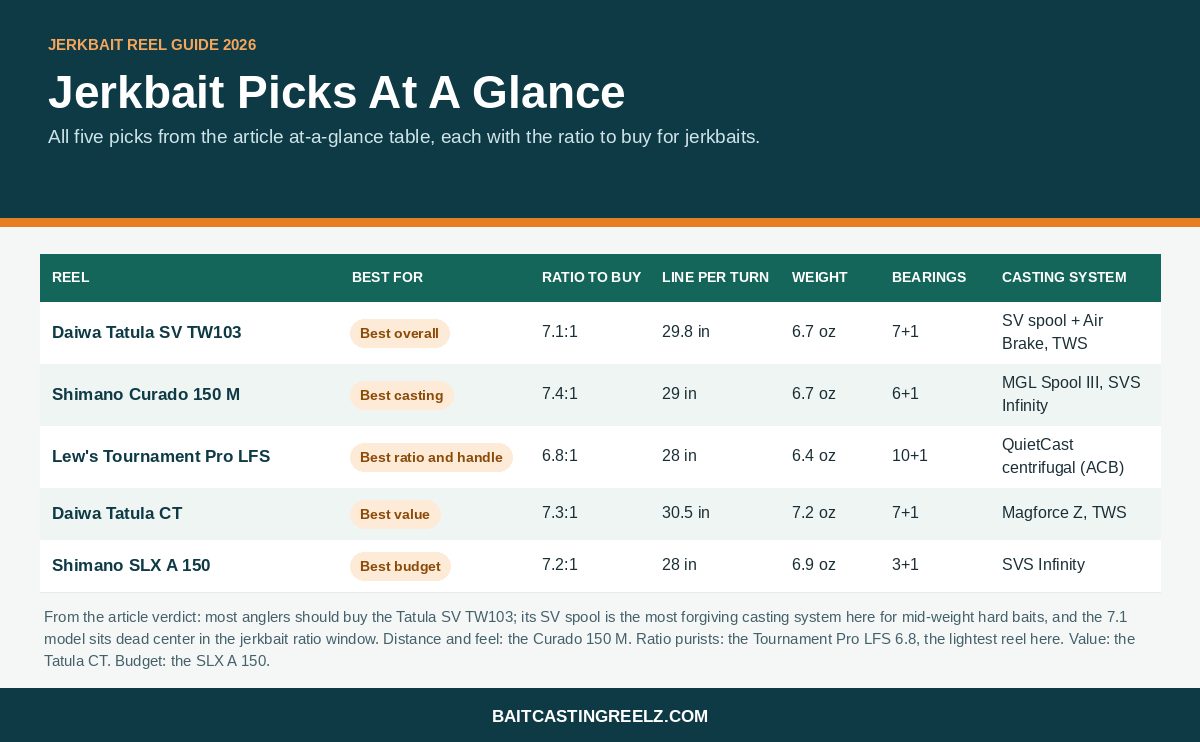
The best baitcasting reel for jerkbaits is the Daiwa Tatula SV TW103. Jerkbaits weigh 3/8 to 1/2 oz and are worked with the rod, not the reel, so the winning formula is a low inertia spool that starts easily with mid-weight hard baits, a moderate gear ratio in the 6.2 to 7.4 range that only recovers slack, and a smooth drag that protects small treble hooks. The SV TW103 nails all three. Below are the five reels that fit jerkbait fishing best, and the reasons most reels do not.
The picks, fast: Best overall: Daiwa Tatula SV TW103 · Best casting: Shimano Curado 150 M · Best ratio and handle: Lew’s Tournament Pro LFS · Best value: Daiwa Tatula CT · Best budget: Shimano SLX A 150.
In this guide
- What a jerkbait asks of a reel
- The five picks at a glance
- Daiwa Tatula SV TW103: best overall
- Shimano Curado 150 M: best casting
- Lew’s Tournament Pro LFS: best ratio and handle
- Daiwa Tatula CT: best value
- Shimano SLX A 150: best budget
- Rigging the rest of the combo
- FAQs
What a jerkbait asks of a reel
Jerkbait fishing breaks the usual reel buying rules. The power reels and speed reels that win for jigs and frogs are the wrong tools here, for four reasons.
The spool has to start light. The baits that define this technique, 90 to 110 size suspending jerkbaits, weigh about 3/8 to 1/2 oz. That is heavy enough to cast on any reel, but light enough that a heavy, high inertia spool wastes distance and misbehaves into the wind. Low inertia spool designs, Daiwa’s SV and Shimano’s MGL families, exist for exactly this band of lure weights. Braking matters as much as spool weight, and our baitcaster brakes guide explains how the systems differ.
The ratio should be boring. A jerkbait is moved by downward snaps of the rod tip. Between snaps, the reel’s only job is recovering the slack those snaps created. A ratio between 6.2:1 and 7.4:1, roughly 24 to 31 inches per turn, recovers slack without dragging the bait forward on the pause. Faster reels rush the pause, and the pause is when most strikes happen. Our gear ratio guide shows how inches per turn, not the ratio number, is what to compare.
The drag should be smooth, not strong. Jerkbaits hang on two or three small treble hooks, often on 10 to 12 lb fluorocarbon. A fish that surges against a sticky drag tears hooks out. Every pick below has a drag that starts smoothly at light settings, which matters far more than its maximum rating.
The combo has to balance light. Jerkbait cadence is wrist work, hundreds of snaps a day. Reels in the 6.4 to 7.2 oz range on a 6 foot 8 to 7 foot rod keep the outfit tip light and the cadence easy. Capacity barely matters: 100 yards of 12 lb line is more than this technique ever asks for.
The five picks at a glance
| Reel | Price | Weight | Ratio to buy | Line per turn | Bearings | Casting system | Best for |
|---|---|---|---|---|---|---|---|
| Daiwa Tatula SV TW103 | $209.99 | 6.7 oz | 7.1:1 | 29.8 in | 7+1 | SV spool + Air Brake, TWS | Best overall |
| Shimano Curado 150 M | $234.99 | 6.7 oz | 7.4:1 | 29 in | 6+1 | MGL Spool III, SVS Infinity | Best casting |
| Lew’s Tournament Pro LFS | $199.99 | 6.4 oz | 6.8:1 | 28 in | 10+1 | QuietCast centrifugal (ACB) | Best ratio and handle |
| Daiwa Tatula CT | $149.99 | 7.2 oz | 7.3:1 | 30.5 in | 7+1 | Magforce Z, TWS | Best value |
| Shimano SLX A 150 | About $110 | 6.9 oz | 7.2:1 | 28 in | 3+1 | SVS Infinity | Best budget |
Daiwa Tatula SV TW103: best overall
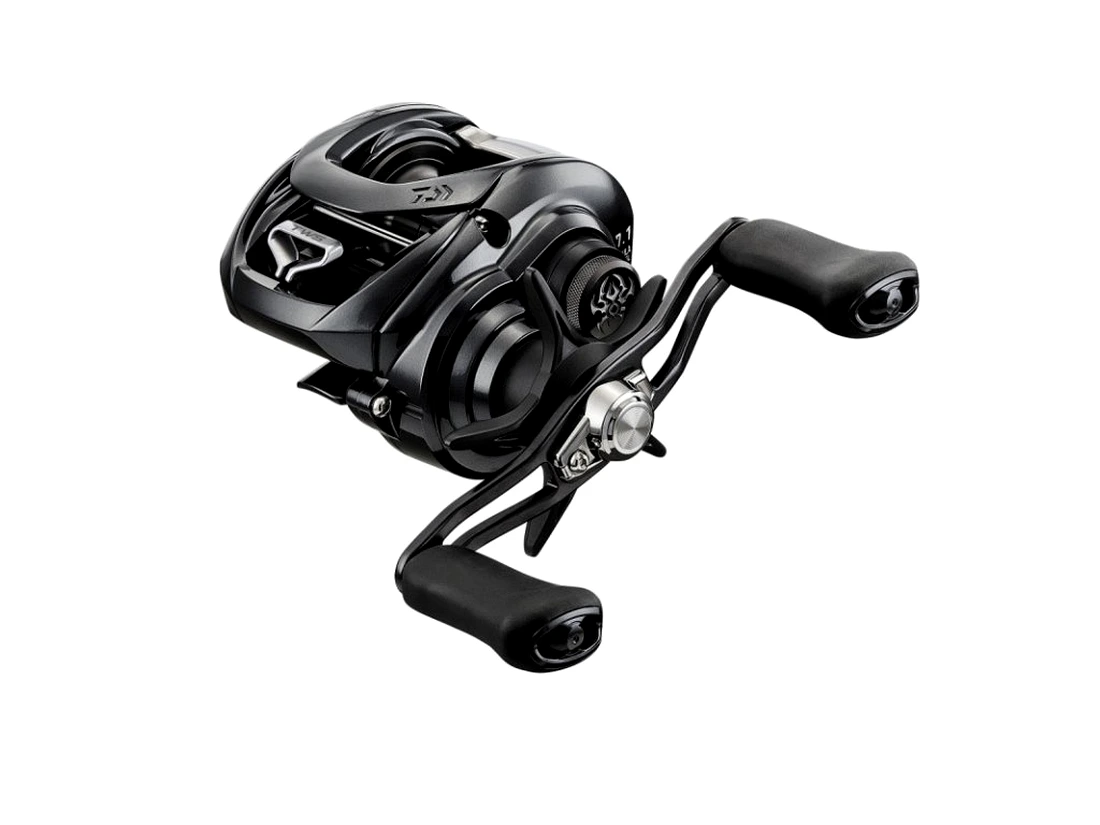
The SV concept was almost designed for jerkbaits. Daiwa’s SV spool uses an inductor that moves into the magnetic field as spool speed rises, braking hardest at the start of the cast and backing off as the bait flies. Paired with the Air Brake design, it makes a 1/2 oz jerkbait behave: long casts, little thumb, and very few of the mid cast fluff ups that ruin a cast into the wind. In the 7.1:1 model you get 29.8 inches per turn, right in the jerkbait window, and at 6.7 oz in a compact 103 frame it disappears in the palm during the cadence. Our full Daiwa Tatula SV TW review covers the spool system in depth, and it also headlines our best Daiwa reels roundup.
The honest cons: the 11 lb drag is the lightest maximum on this list, which is fine for jerkbaits but makes the reel a specialist rather than an all rounder, and the SV spool’s controlled nature gives up a little raw distance to the Curado below on calm days with heavier baits.
Key specs: 6.7 oz · 7+1 bearings · 32mm SV spool · T-Wing System · 11 lb UTD drag · 14/100 mono · Right and left hand
Shimano Curado 150 M: best casting
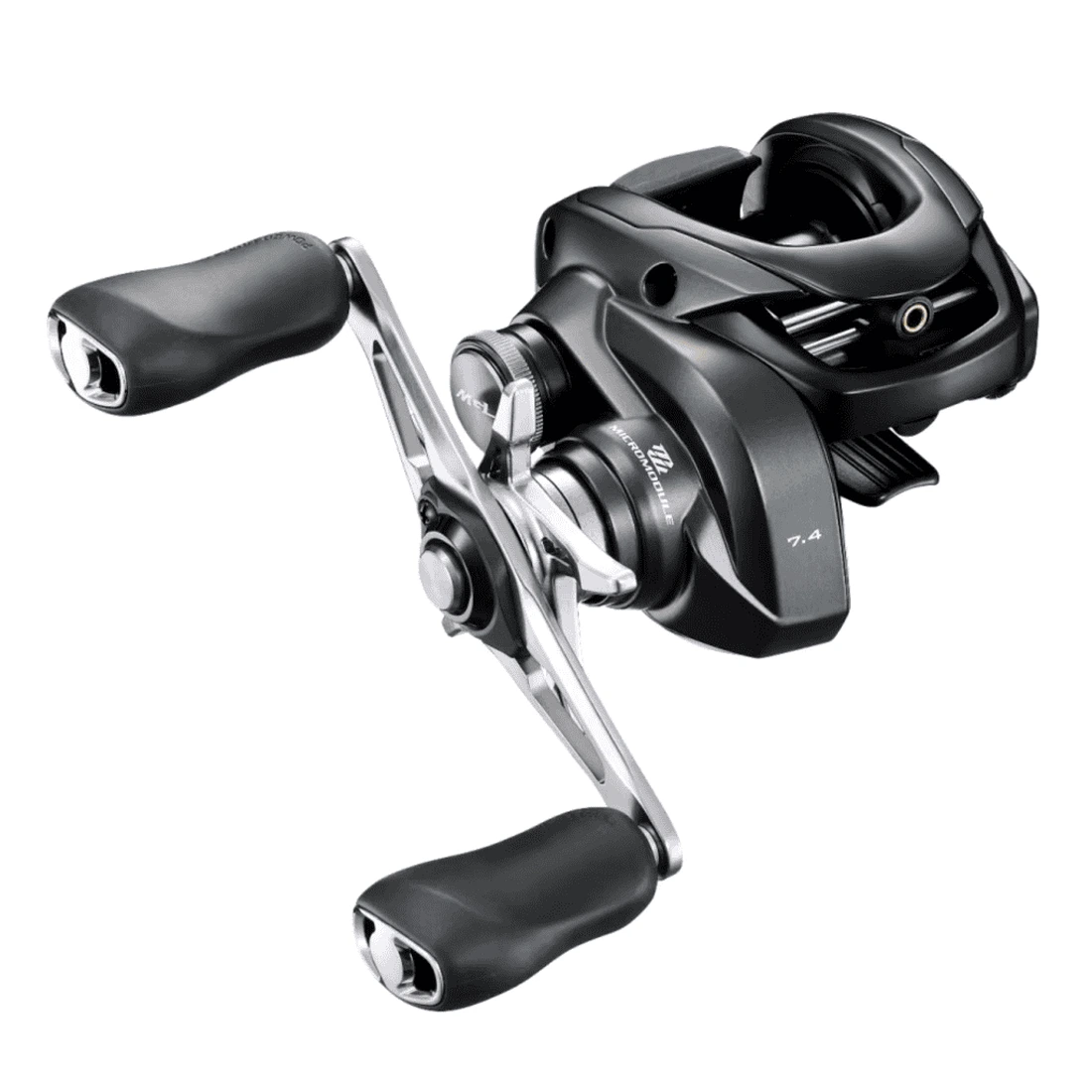
Shimano’s answer to the SV spool is the MGL Spool III, a thin walled, narrow spool that cuts start up inertia by roughly 15 percent against the previous MGL generation. On the water that means jerkbaits leave the rod tip with noticeably less effort, and the SVS Infinity centrifugal brakes are easy to trim from the external dial as the wind changes. The 7.4:1 model takes up 29 inches per turn, MicroModule II gears give it the smoothest retrieve feel on this list, and the 13 lb Cross Carbon drag is butter smooth at the light settings jerkbaits need. It sits at the top of our best Shimano baitcasting reels roundup for good reason, and if you are cross shopping the DC models, Tatula vs Curado breaks down the wider family fight.
The honest cons: it is the most expensive reel here, the centrifugal brakes need the side plate opened for internal pin changes (the external dial only trims), and we do not run an Amazon button for it in this article because Shimano’s Curado 150 M listings there are inconsistent. It is stocked everywhere under the model codes CU150MGM (6.2), CU150HGM (7.4) and CU150XGM (8.1) at $234.99.
Key specs: 6.7 oz · 6+1 bearings · MGL Spool III · SVS Infinity · 13 lb drag · 12/110 mono · Right and left hand
Lew’s Tournament Pro LFS: best ratio and handle
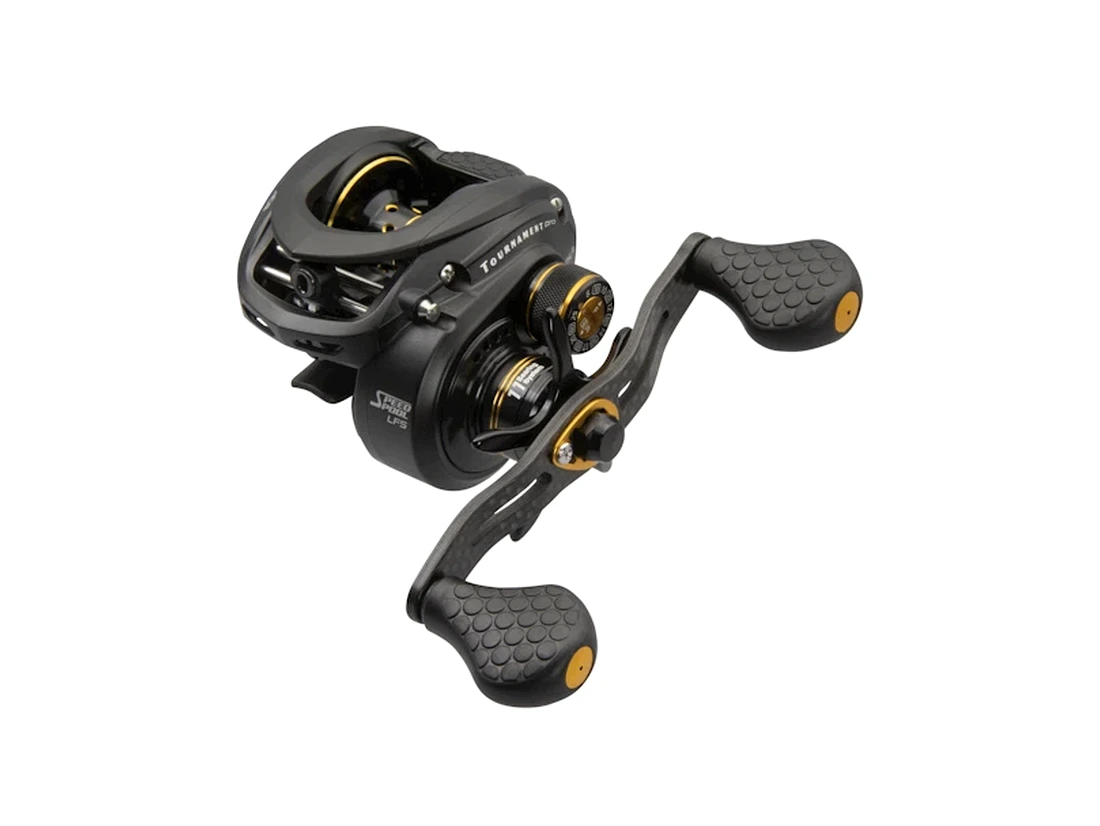
The Tournament Pro LFS in 6.8:1 is the ratio purist’s pick. At 28 inches per turn it recovers slack at exactly the pace the cadence creates it, its 95mm bowed carbon handle gives the wrist leverage without weight, and at 6.4 oz it is the lightest reel on this page. The QuietCast centrifugal brake system is externally adjustable, the P2 Super Pinion supports the pinion gear on a bearing for a connected retrieve feel, and the carbon drag is rated to 20 lb, far beyond jerkbait needs but reassuringly smooth at 2 to 3 lb of slip. It leads our best Lew’s baitcasting reels roundup.
The honest cons: centrifugal only braking is less forgiving than the SV or MGL systems when a jerkbait catches a gust, and the 20 lb drag needs a light touch on the star to stay in the smooth zone for trebles.
Key specs: 6.4 oz · 10+1 bearings · QuietCast ACB · 95mm carbon handle · 20 lb carbon drag · 12/120 mono · Right and left hand
Daiwa Tatula CT: best value
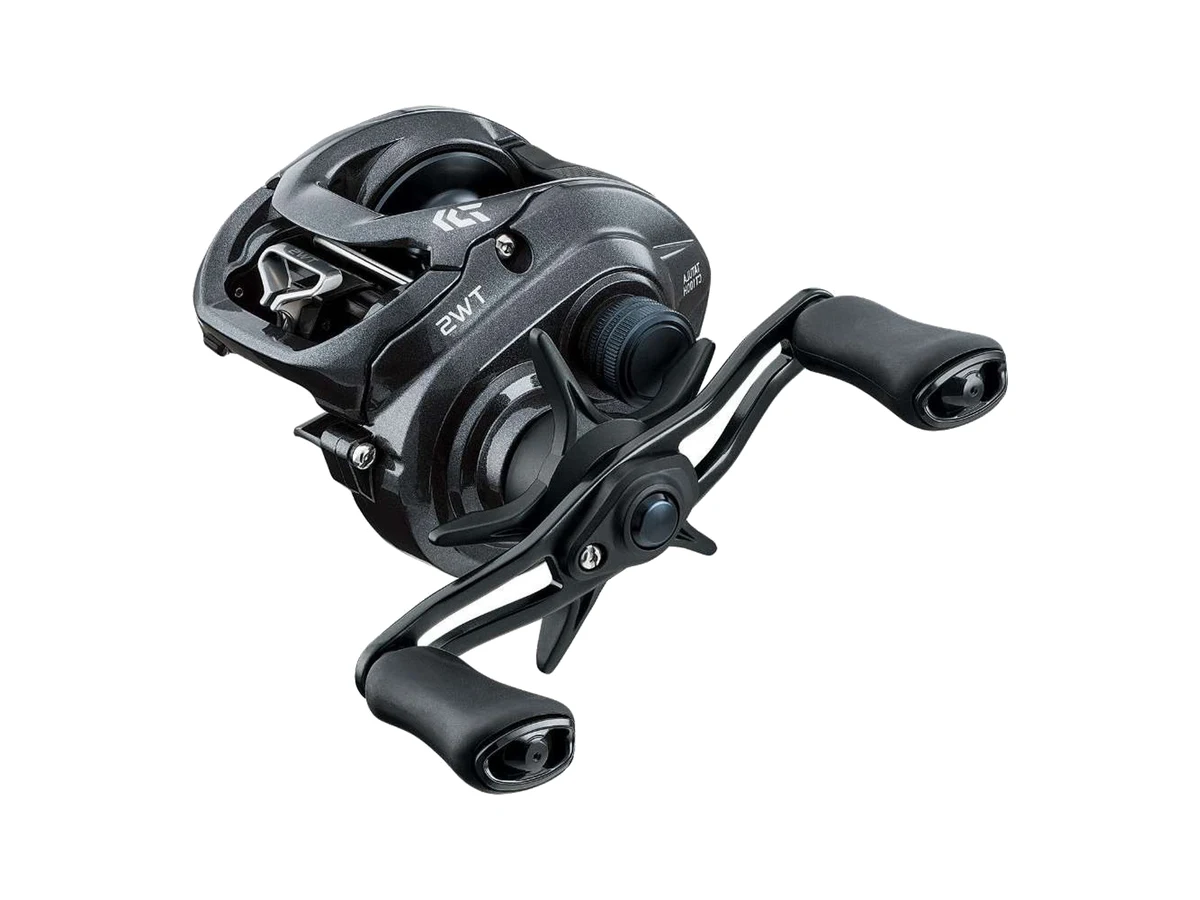
If the SV TW103 is out of reach, the Tatula CT in 7.3:1 is the value route into jerkbait fishing. You keep the T-Wing line guide, an aluminum frame and a 13.2 lb UTD drag, and 30.5 inches per turn sits at the lively end of the jerkbait window, which suits anglers who work a bait aggressively. What you give up against the SV model is the low inertia spool: the CT’s standard spool with Magforce Z braking casts 1/2 oz jerkbaits well, but asks for a little more thumb in a headwind. Our Tatula CT vs Fuego CT comparison explains why this platform is such a strong buy at the price.
The honest cons: at 7.2 oz it is the heaviest pick here, and the standard spool is the least wind proof of the five. Neither matters much at typical jerkbait range.
Key specs: 7.2 oz · 7+1 bearings · Magforce Z · T-Wing System · 13.2 lb UTD drag · 14/120 mono · Right and left hand
Shimano SLX A 150: best budget
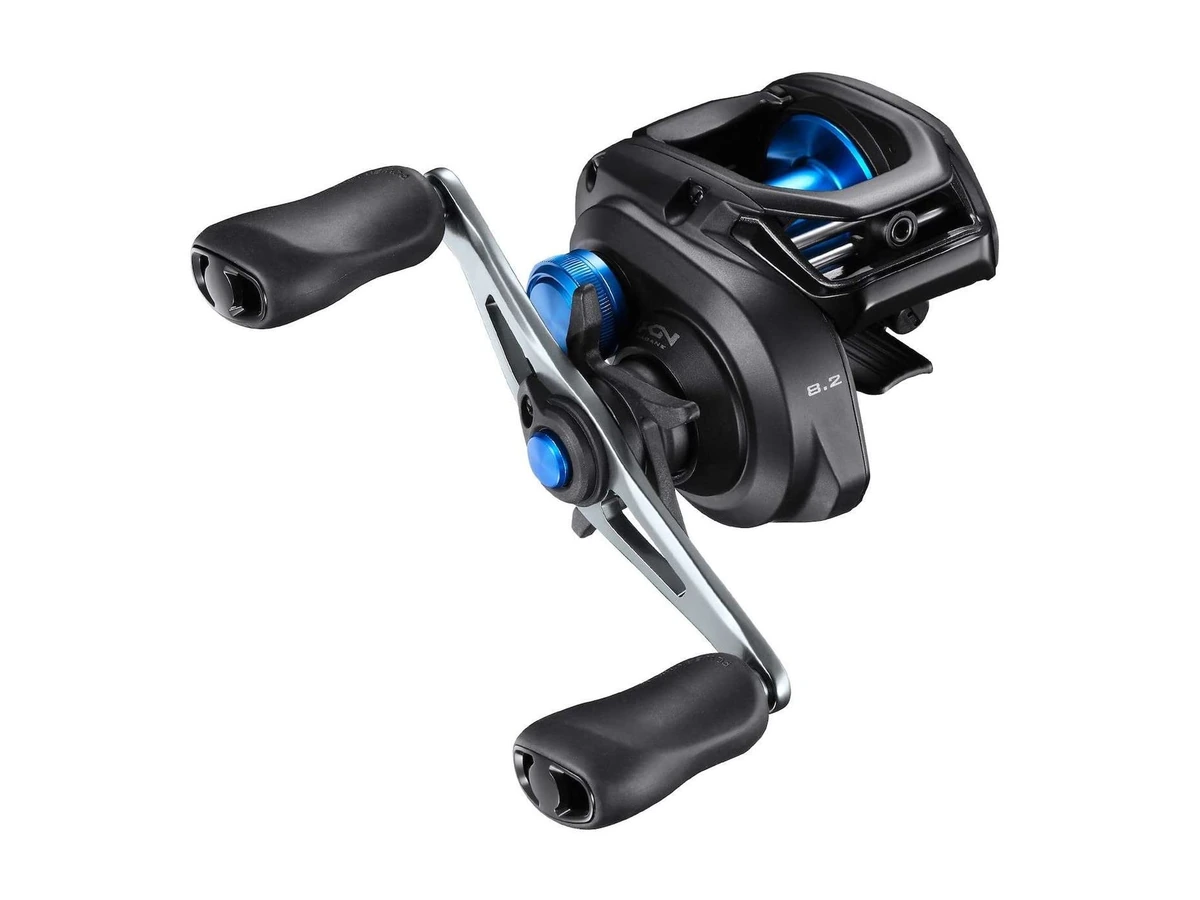
The SLX A 150 proves you do not need a finesse spool to fish a jerkbait properly. The 150HG model’s 7.2:1 ratio takes up 28 inches per turn, SVS Infinity brakes are genuinely good with 3/8 to 1/2 oz baits once the internal pins are set, and the HAGANE body keeps the reel feeling tight long after budget reels usually loosen up. At 6.9 oz it balances beautifully on a jerkbait rod. We compared it with Daiwa’s budget star in SLX vs Fuego CT and against its Abu Garcia rival in Black Max vs SLX.
The honest cons: the standard spool is the slowest starter here, so the smallest 90 size jerkbaits in wind will test your thumb, and the 3+1 bearing count shows in a retrieve that is perfectly smooth but not luxurious.
Key specs: 6.9 oz · 3+1 bearings · SVS Infinity · HAGANE body · Ratios 6.3 / 7.2 / 8.2 · Right and left hand
Rigging the rest of the combo
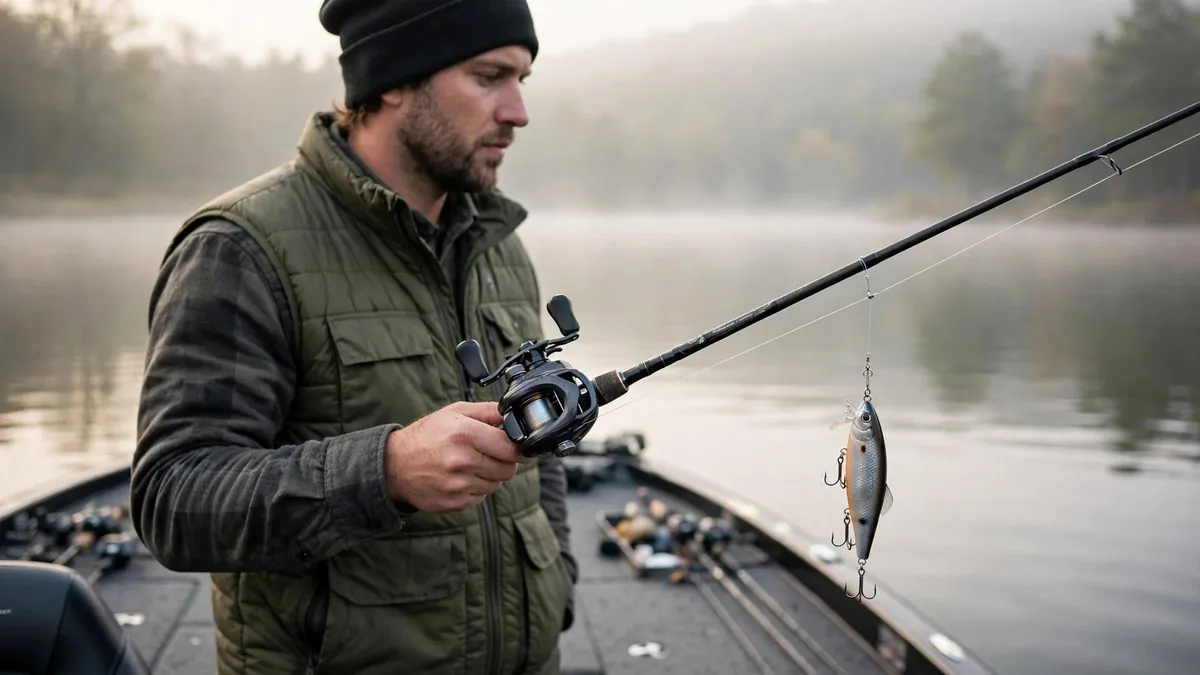
The reel is only half the outfit. Pair any of these picks with a 6 foot 8 to 7 foot medium power, fast action rod: long enough to cast and sweep, short enough to snap the tip down without slapping the water. Spool 10 to 12 lb fluorocarbon straight through for the classic suspending presentation, and set the drag to slip smoothly at about a third of the line’s strength before you make the first cast. Work the bait with the rod, twitch, twitch, pause, and use the reel only to gather the slack your snaps created. That single habit catches more jerkbait fish than any reel upgrade.
So which one should you buy?
Most anglers: the Daiwa Tatula SV TW103. Its SV spool is the most forgiving casting system here for mid-weight hard baits, and the 7.1 model sits dead center in the jerkbait ratio window.
Distance and feel: the Shimano Curado 150 M, if the budget stretches. The MGL III spool and MicroModule gears are the premium experience.
Ratio purists: the Lew’s Tournament Pro LFS 6.8, the lightest reel here with the longest, lightest handle.
Value and budget: the Tatula CT if you can spend $150, the SLX A 150 if you cannot. Both fish jerkbaits properly, which is more than most reels at any price can claim.
FAQs
What gear ratio is best for jerkbaits?
A moderate ratio between 6.2:1 and 7.4:1, which works out to roughly 24 to 31 inches of line per turn. The rod tip does the work of moving a jerkbait; the reel only recovers slack between twitches. In that window the bait darts and suspends naturally instead of being dragged.
Can you fish a jerkbait on a fast 8.1:1 reel?
You can, and some anglers do in warm water when they want a bait recovered quickly between twitches. The trade-off is control: a fast reel tempts you to wind the bait instead of working it with the rod, and it recovers slack so quickly that the pause, which is when most strikes happen, gets rushed.
What line is best for jerkbaits on a baitcaster?
Most jerkbait anglers fish 10 to 12 lb fluorocarbon. It sinks slightly, which helps a suspending bait hold depth, it is hard for fish to see in the clear water where jerkbaits shine, and its small amount of stretch cushions treble hooks. Braid with a fluorocarbon leader casts farther but floats, which can pull a suspending bait up.
Does spool weight really matter for jerkbait fishing?
Yes. Jerkbaits weigh 3/8 to 1/2 oz, right in the band where a heavy spool is slow to start and hard to stop. Low inertia spools such as Daiwa’s SV and Shimano’s MGL start turning with less effort, cast these baits farther into the wind, and need less thumb at splashdown.
Should I use a BFS reel for jerkbaits?
Only for the smallest jerkbaits, around 1/4 oz and under, such as tiny pointers and finesse hard baits in creeks. For standard 90 to 110 size jerkbaits a normal low inertia spool on a 100 or 150 size reel casts them better and holds enough 10 to 12 lb line.
How tight should the drag be for jerkbaits?
Lighter than you would set it for jigs or Texas rigs. Jerkbaits hang on small treble hooks that can tear out, so set the drag to slip smoothly at roughly a third of your line’s breaking strength and let it give during head shakes. A smooth drag matters more here than a strong one.
Affiliate disclosure: baitcastingreelz.com is reader supported. When you buy through links on this page we may earn a commission from Amazon at no extra cost to you. Prices and specifications were checked against manufacturer and US retailer listings in October 2026 and can change.