Spinning Reel Review
Penn Battle III Review: The Saltwater Workhorse Worth Your Money
The Penn Battle III is the best value saltwater spinning reel for inshore and surf anglers who want a full-metal body and a sealed drag without paying flagship prices. It is heavier than a freshwater reel and not the silkiest reel in its class, but its HT-100 drag is genuinely excellent and it stands up to salt, sand, and hard-pulling fish trip after trip. If you fish salt more than a few times a year, buy the 2500, 4000, 5000, or 6000 that matches your water.
Affiliate disclosure: As an Amazon Associate, baitcastingreelz.com earns from qualifying purchases made through links on this page, at no extra cost to you. Reviews are independent of commissions, and weaknesses are stated plainly.
The bottom line on the Battle III
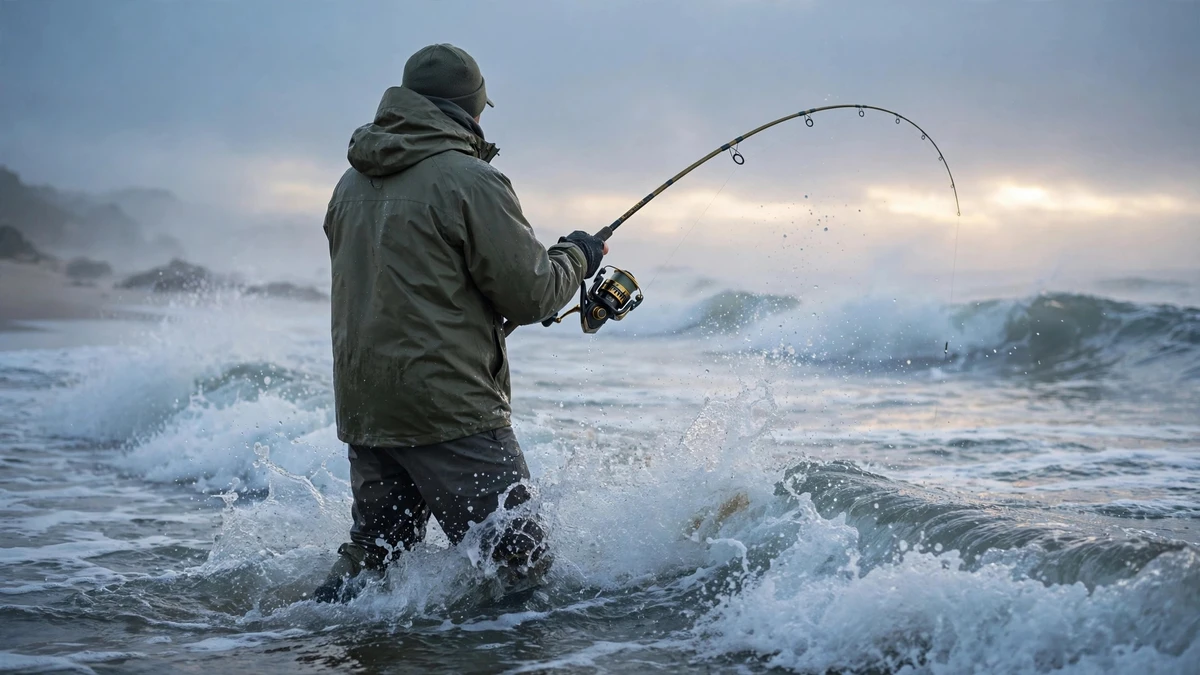
I have watched a lot of reels die in saltwater. The pattern is always the same: a reel that felt silky in the shop starts grinding by midsummer, the drag goes from smooth to jerky, and by fall it lives in the garage as a parts donor. The Penn Battle III exists to break that pattern. It is not trying to be the lightest or the smoothest reel on the shelf. It is trying to be the reel that still works in October after a season of spray, sand, and fish that do not give up.
After fishing it across inshore creeks, jetties, and surf, my take is simple. The full-metal body keeps everything aligned when a fish loads the rod hard. The sealed HT-100 drag adjusts in fine, predictable steps instead of jumping from loose to locked. And the sealed bearings shrug off the sand and mist that kill lesser reels. The price, typically around $130 for the inshore sizes, makes it one of the easiest recommendations in saltwater tackle.
It is not perfect, and this review will not pretend otherwise. It is heavy. The retrieve has a workmanlike feel rather than a refined one. And Penn has since released the Battle IV with better sealing, which changes the buying math. Everything that matters, including the honest trade-offs, is covered below.
Full review
Penn Battle III Spinning Reel
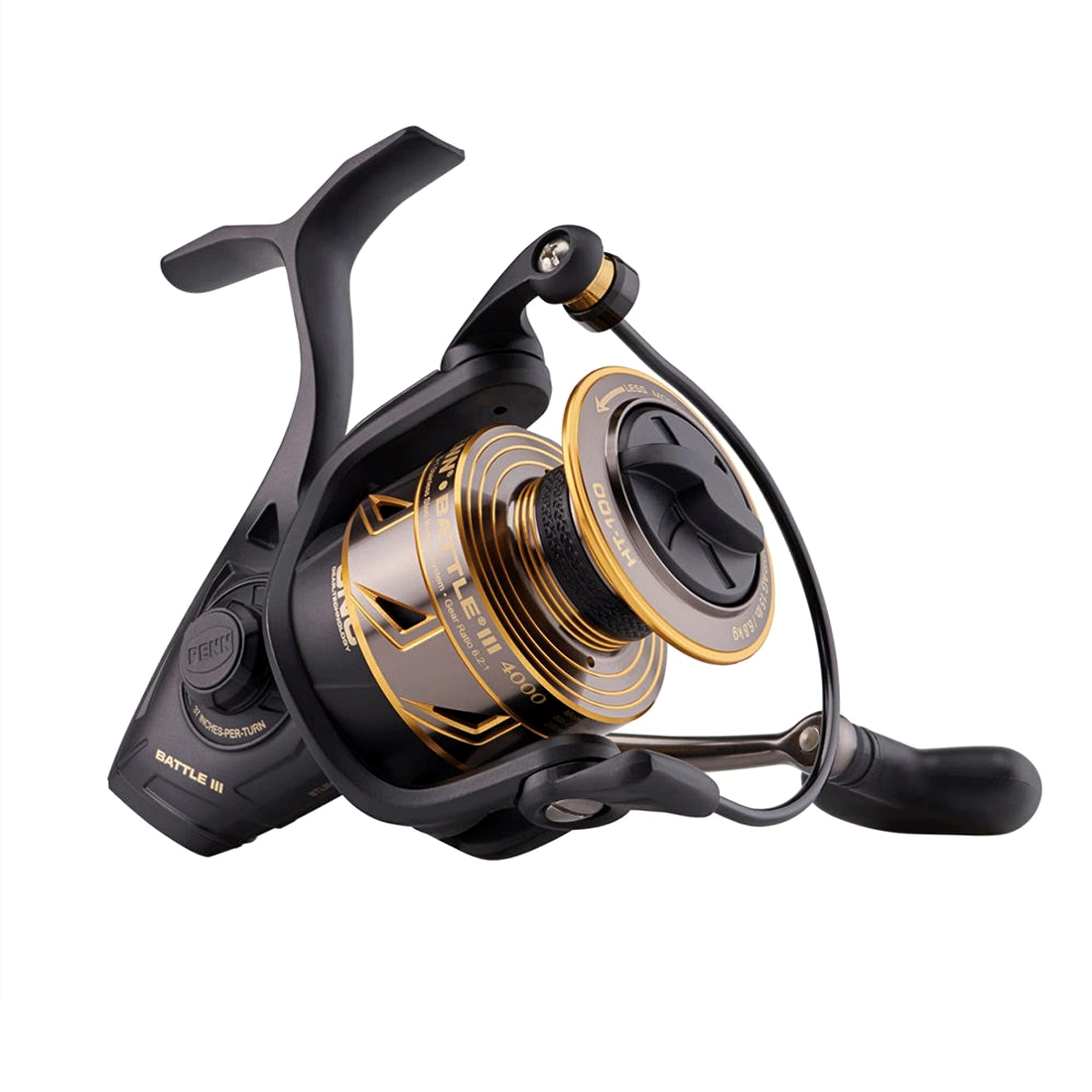
Pick up a Battle III and the first thing you notice is the density. This is a metal reel, body, sideplate, and rotor, and it feels like one. That solidity is the whole point. When a bull red turns broadside in current or a striper makes a last run at the jetty rocks, the frame does not flex, the gears stay meshed, and the handle keeps turning with the same resistance it had on the first crank of the day.
The CNC-machined gears deserve the credit they get. The retrieve is not whisper-quiet like a reel costing twice as much, but it is consistent and slop-free, and it stays that way. I have seen too many budget saltwater reels develop a wobble or a gritty spot after a season. The Battle III’s gear train is the reason it avoids that fate.
The drag is the star of the show. Penn’s HT-100 system uses carbon fiber washers, and the adjustment knob moves through its range in small, usable steps. Some reels go from barely-there to locked down in a single turn of the knob, which makes fine-tuning during a fight a guessing game. The Battle III lets you creep the pressure up a click at a time, which is exactly what you want when a good fish is still green and the line is light.
Sealing is well thought out for the price. The bearings are sealed stainless steel, and the drag stack is sealed against spray and grit. That does not make the reel waterproof, and Penn does not claim it is. It makes the reel forgiving of real-world saltwater fishing: spray off the bow, sand kicked up on the beach, a rod laid down on a gritty pier deck. Rinse it after every trip and it keeps its manners.
Small details show saltwater thinking. The Superline spool has a rubber gasket so braid can be tied directly to the spool with no mono backing. The line capacity rings on the spool lip give a quick visual read on how much line is left, which matters when a fish is taking line and you need to know what remains. The handle reverses for left or right hand retrieve.
- Genuinely tough full-metal construction
- Excellent sealed HT-100 drag with fine adjustment
- Sealed bearings resist sand and spray
- Braid ties direct, no backing needed
- Huge size range, 1000 to 10000, plus high-speed models
- Strong value, frequently discounted
- Heavy next to modern freshwater reels
- Retrieve is workmanlike, not silky
- Some units develop a faint gear noise over time
- Gears and anti-reverse are vulnerable to hard drops on rock
- No spare spool included
- Battle IV now offers better sealing for similar money
Battle III size comparison: 2500 vs 4000 vs 5000 vs 6000
These four sizes cover nearly all inshore and surf fishing. Specs below are the manufacturer’s published figures for each size.
| Size | Gear ratio | Weight | Line per turn | Max drag | Bearings | Mono capacity (yd/lb) | Braid capacity (yd/lb) |
|---|---|---|---|---|---|---|---|
| 2500 | 6.2:1 | 10.5 oz | 30 in | 12 lb | 5+1 | 225/6, 160/8, 135/10 | 240/10, 220/15, 160/20 |
| 4000 | 6.2:1 | 12.2 oz | 37 in | 15 lb | 6+1 | 270/8, 220/10, 165/12 | 350/15, 260/20, 190/30 |
| 5000 | 5.6:1 | 18.8 oz | 36 in | 25 lb | 6+1 | 225/12, 200/15, 135/20 | 420/20, 300/30, 240/40 |
| 6000 | 5.6:1 | 20.8 oz | 41 in | 25 lb | 6+1 | 335/12, 230/15, 210/20 | 490/30, 390/40, 335/50 |
Two things stand out in that table. First, the drag jumps from 15 lb on the 4000 to 25 lb on the 5000, which is why the 5000 is the real dividing line between inshore and surf duty. Second, weight climbs steeply with it, so do not buy more reel than your fishing needs. A 6000 on a light inshore rod is a mismatch you will feel by noon.
Which Battle III size should you buy?
2500: light inshore
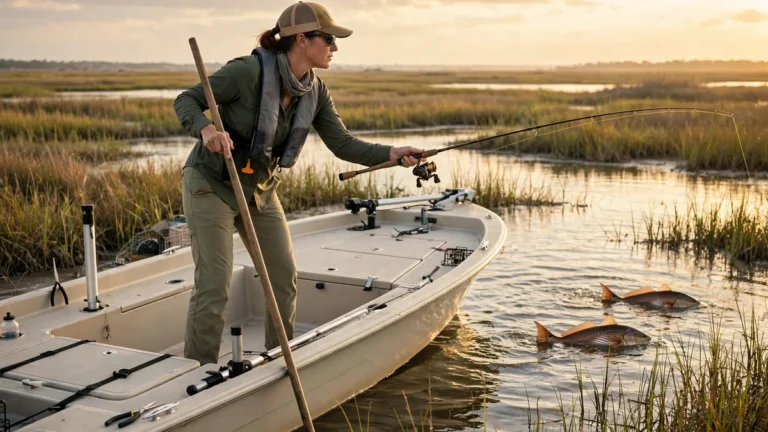
The 2500 is the finesse end of the lineup. It suits seatrout, flounder, and slot redfish in creeks and marshes, thrown on light jigs and soft plastics in the 1/8 to 3/8 oz range. Pair it with a 7 ft medium rod and 10 to 15 lb braid. If most of your fishing is wading grass flats or working docks, start here. For help matching reel size to technique, see our spinning reel sizes guide.
4000: the all-rounder
This is the size most anglers should buy. The 4000 handles slot and over-slot redfish, snook around mangroves, schoolie stripers, and light surf duty without feeling oversized. Fifteen pounds of drag and 260 yards of 20 lb braid cover nearly every inshore scenario, and it balances well on a 7 to 7 ft 6 in medium-heavy rod. If you only buy one, buy the 4000. Our best saltwater spinning reels roundup puts it in context against the competition.
5000 and 6000: surf, pier, and big fish
Step up to the 5000 or 6000 when casting distance and line capacity become the job: surf fishing, long piers, jetty rocks, bull reds, big stripers, and tarpon. The 25 lb drag and deep spools (up to 490 yards of 30 lb braid on the 6000) are built for long runs and heavy current. Match them with 9 to 11 ft surf rods or stout pier rods and 30 lb braid. See also our surf fishing guide for the full setup.
What about the HS models?
Penn offers high-speed versions of the 4000, 6000, and 8000 (the 4000HS runs 7.0:1 and picks up 43 inches per turn). Choose HS if you burn lures fast, need to take up slack quickly on long casts, or want to pull fish away from structure in a hurry. For most bottom fishing and live bait work, the standard ratios are the better pick.
Battle III vs Battle IV: which should you buy?
Penn’s Battle IV is the newer generation, so every buyer now faces the same question: new or previous model? Here is the honest breakdown.
Both reels share the same DNA. Full-metal body, sideplate, and rotor. CNC gear technology. The HT-100 carbon fiber drag. Sealed stainless bearings. Superline spool and line capacity rings. On paper and in the hand, they are cut from the same cloth, and the fishing experience is close.
The Battle IV’s headline upgrade is Hydro Armor sealing, which protects critical internal zones from water intrusion better than the III’s sealing arrangement. For anglers who fish heavy surf, get dunked by waves on the jetty, or simply want the most protection Penn offers at this price, that is a meaningful improvement.
The buying advice is practical. The Battle III is frequently discounted now that the IV is out, and at sale prices it is one of the best values in all of saltwater tackle. If you find the III meaningfully cheaper, buy it with confidence. If the two are priced within a few dollars of each other, take the IV for the better sealing. Either way you get a reel built on the same tough platform.
The HT-100 drag, explained for actual fishing
Drag specs are usually just a number, but the Battle III’s drag deserves a closer look because it fishes better than the number suggests. The HT-100 system uses carbon fiber washers on both sides (Penn calls it Versa-Drag), which gives smooth startup with no initial jerk when a fish surges.
What I value most is the adjustment curve. Turn the knob and the drag builds gradually across many small steps. That matters when you hook a good fish on light line and need to add pressure without overshooting into break-off territory. It also matters when a fish makes a sudden run near the boat and you need to back off a touch, then come back up. Fine clicks beat coarse jumps every time.
Match the drag to the size honestly. Twelve pounds on the 2500 is plenty for trout and slot reds. Fifteen on the 4000 covers snook and stripers. The 25 lb drags on the 5000 and 6000 are there for surf species and tarpon, but remember that your line and knots are the real limit long before the drag maxes out. Set the drag at roughly a third of your line’s breaking strength and let the carbon washers do their work. If drags interest you mechanically, our spinning reel parts guide breaks down how each component contributes.
Line setup: what to spool on a Battle III
Braid is the default choice on this reel, and Penn makes it easy. The Superline spool’s rubber gasket grips braid directly, so you can tie braid straight to the spool with no monofilament backing. That saves line, saves money, and removes a failure point. Fill to just below the spool lip for the longest casts.
Match line to size. On the 2500 and 3000, 10 to 15 lb braid covers inshore work. The 4000 fishes best on 15 to 20 lb braid. The 5000 and 6000 want 30 lb braid for surf and big fish. Add a fluorocarbon leader of 20 to 30 lb in clear water or around abrasive structure; the FG or double-uni knot both pass through the guides cleanly. For the full spooling walkthrough, see how to spool a spinning reel.
Mono still has a place. If you fish topwaters or want stretch as a shock absorber, straight 10 to 12 lb mono on the 4000 is a pleasant, forgiving setup. The capacities in the table above give you the yardages to plan around.
Maintenance: what “sealed” does and does not mean
This is the section most reviews skip, and it is the one that decides whether your reel lasts three seasons or ten. The Battle III’s sealed drag and sealed bearings protect against spray, mist, and sand. They do not make the reel waterproof. Do not submerge it, do not blast it with a pressure washer, and do not assume sealing replaces care.
The routine is simple and takes two minutes. After every saltwater trip, give the reel a gentle rinse with freshwater, a light shower, not a jet. Wipe it dry, back the drag off for storage, and keep it somewhere dry rather than sealed in a wet bag. Once or twice a season, a drop of reel oil on the handle knob and bail arm pivots keeps everything moving freely. That is the entire program, and reels that get it last dramatically longer than reels that do not.
One honest warning carried over from years of Penn ownership: the gears and anti-reverse do not like hard impacts. Dropping a full-metal reel on jetty rock can damage the anti-reverse mechanism even though the body shrugs it off. Fish it hard, just do not drop it.
Who should buy the Battle III, and who should not
Buy it if
- You fish inshore, surf, pier, or jetty more than a few times a year
- You want a sealed drag and metal body without spending $200 or more
- You target redfish, seatrout, flounder, snook, or stripers (see our spring striper guide)
- You are hard on gear and want a reel that tolerates neglect better than most
- You want one reel platform in several sizes, from light inshore to surf
Skip it if
- You fish freshwater only. This reel is heavy for the job; a freshwater bass spinning reel will feel better all day
- You chase trout and panfish on ultralight tackle. It is overkill; see ultralight spinning reels instead
- You want the silkiest retrieve available. Competitors like the Daiwa BG feel smoother to many hands, though they give up the sealed drag
- Your budget is very tight. The Penn Fierce III is the same family’s budget option, with a graphite rotor and shielded rather than sealed bearings, for meaningfully less money
If saltwater is only an occasional accident rather than a habit, browse the full best spinning reels roundup before deciding. And if you prefer casting over spinning gear in the salt, our saltwater baitcasting reel guide covers that side.
Frequently asked questions
Is the Penn Battle III good for saltwater?
Yes, it was designed for it. The full-metal body, sealed stainless bearings, and sealed HT-100 drag handle inshore, surf, and pier fishing. Rinse it gently with freshwater after every salt trip and it will serve for years.
What size Penn Battle III should I get?
Buy the 2500 for light inshore species like seatrout and flounder, the 4000 as the all-rounder for redfish, snook, and stripers, and the 5000 or 6000 for surf, piers, and bigger fish. The 4000 suits most buyers.
Should I buy the Battle III or the Battle IV?
Both share the same core platform. The IV adds Hydro Armor sealing for better water protection. Buy whichever is cheaper; at sale prices the III is the better value, and at equal prices the IV’s sealing wins for heavy surf use.
Is the Penn Battle III fully sealed?
No. The drag and bearings are sealed against spray and sand, but the reel is not waterproof and should never be submerged. A freshwater rinse after each trip is still required.
Can you use braid without backing on a Battle III?
Yes. The Superline spool has a rubber gasket that grips braid directly, so no mono backing is needed. Tie braid straight to the spool.
Is the Penn Battle III heavy?
For a saltwater reel, no. Next to freshwater reels, yes. The 4000 weighs roughly 12 to 13 oz and the 6000 is over 20 oz. That weight buys the full-metal durability that keeps the reel alive in salt.
Keep learning
© baitcastingreelz.com · Affiliate disclosure: As an Amazon Associate, baitcastingreelz.com earns from qualifying purchases. Rankings and reviews are independent of commissions. Specs are the manufacturer’s published figures; verify the exact size on the product page before ordering. For responsible saltwater fishing practices, see Penn’s official site and your local regulations.