Troubleshooting
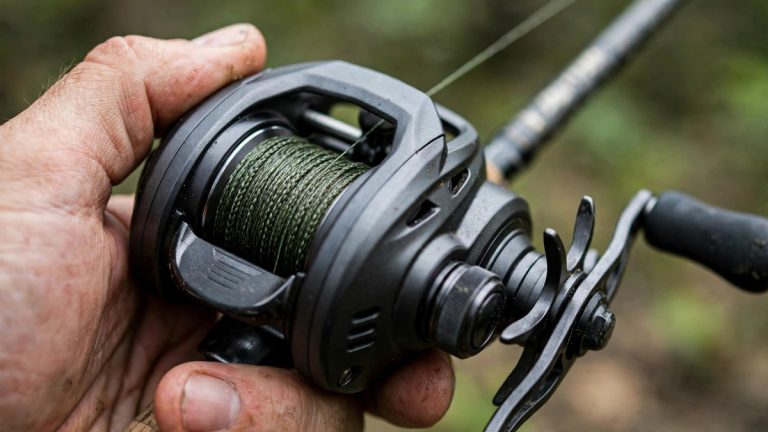
A baitcaster drag that slips, or will not tighten down, usually has one of seven causes, and the most common one is not the drag at all: braided line spinning on a bare spool arbor fools more anglers than every washer problem combined. Work through this list in order. Each check takes minutes, most fixes cost nothing, and only one of them, worn out washers, means buying a part.
Start with the 60 second test: tighten the drag all the way. Press your thumb firmly across the line and spool so the spool cannot turn, then crank the handle. Line still peeling off? Your line pack is slipping on the spool (Cause 1). Spool locked and nothing moves? The drag stack itself is at fault, so keep reading.
In this guide
- First, read the symptom
- Cause 1: line slipping on the spool (the fake drag problem)
- Cause 2: wet drag washers
- Cause 3: oil contaminated washers
- Cause 4: worn or glazed washers
- Cause 5: flattened spring washers
- Cause 6: the stack went back in wrong
- Cause 7: it is the anti-reverse, not the drag
- Prevention: three habits
- FAQs
First, read the symptom
| Symptom | Most likely cause | Go to |
|---|---|---|
| Drag locked down, line still pulls off, spool does not rotate | Line pack spinning on the arbor | Cause 1 |
| Drag weak right after rain, a dunking, or a wet ride home | Water in the drag stack | Cause 2 |
| Drag slips and surges, worse since the reel was oiled or serviced | Oil on the washers | Cause 3 |
| Drag has slowly got weaker over seasons | Worn, glazed or compressed washers | Cause 4 |
| Star is bottomed out but max drag is far below spec | Flattened spring washers, or lost stack height | Cause 5 |
| Drag went wrong immediately after a clean and rebuild | Stack order or spring washer orientation | Cause 6 |
| Handle turns backward under load | Anti-reverse bearing, not the drag | Cause 7 |
Cause 1: line slipping on the spool (the fake drag problem)
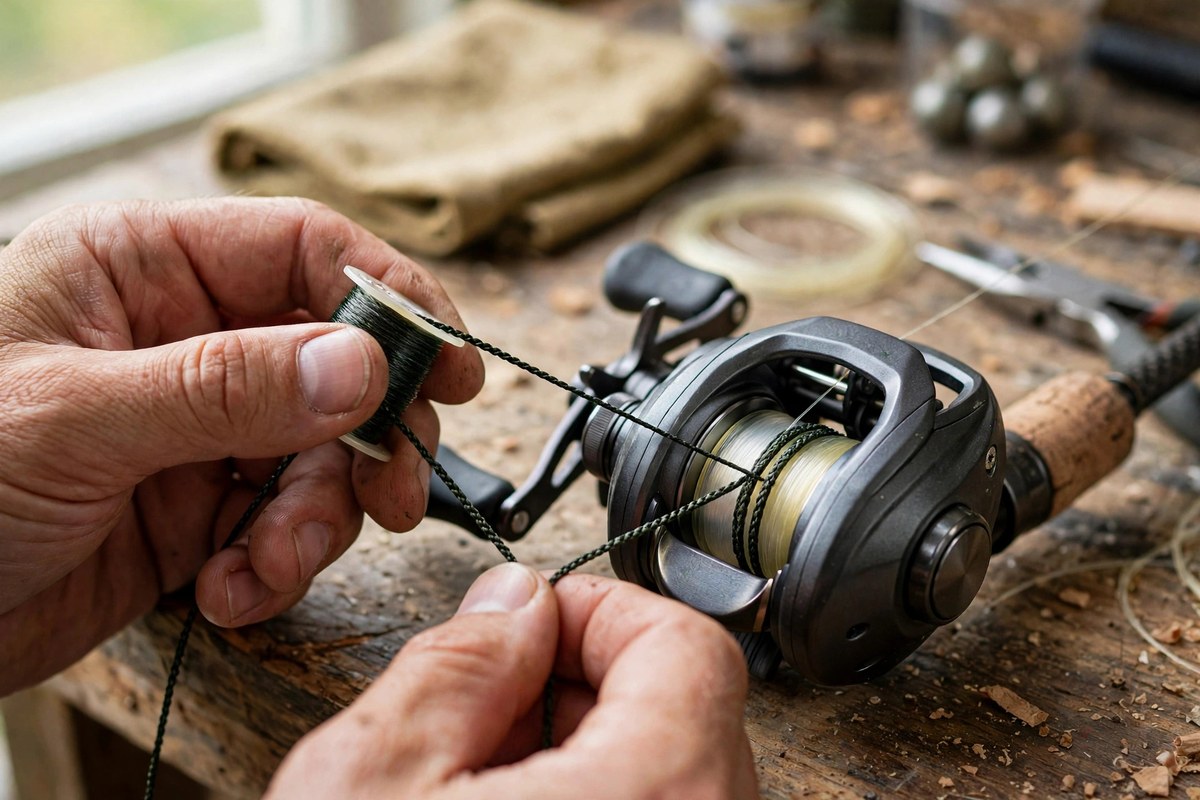
Braid is slippery, and a knot tied straight onto a smooth spool arbor has almost nothing to grip. Under a real load the entire line pack rotates around the spool while the spool itself, and the drag, sit perfectly still. Shimano’s own service FAQ describes exactly this failure and exactly the test in the note above, and it is the first thing any reel technician checks.
The fix: strip the braid off (wind it onto a spare spool or line winder), then give the braid something to bite. Either wrap two layers of mono line or a wrap of masking or electrical tape around the arbor first, per Shimano’s guidance, or tie the braid through the holes some spools have in the arbor. Respool under firm tension. Our guide on how to spool a baitcaster covers backing and tension in full. Cost: nothing. This one fix ends the problem for most anglers who swear their drag died.
Cause 2: wet drag washers
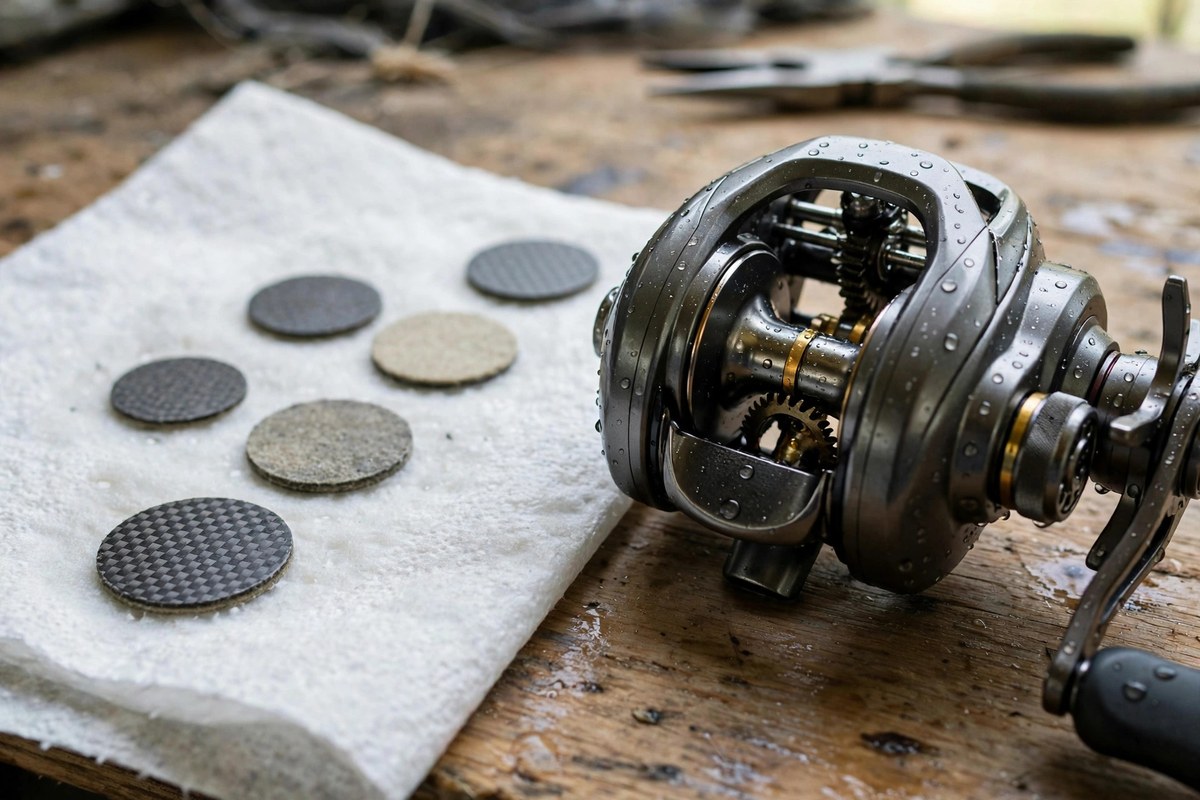
Drag washers that have taken on water lose friction and go weak and inconsistent, a classic after fishing in rain or dunking a reel. Manufacturer troubleshooting tables for baitcasters list wet washers as a primary cause of a slipping, inconsistent drag, and the fix is simple: open the reel, remove the drag stack (lay every washer out in order and photograph it), pat the washers dry, and let everything air dry fully before reassembly. If the weakness arrived exactly when the reel got wet, this is your cause, and no parts are needed.
Cause 3: oil contaminated washers
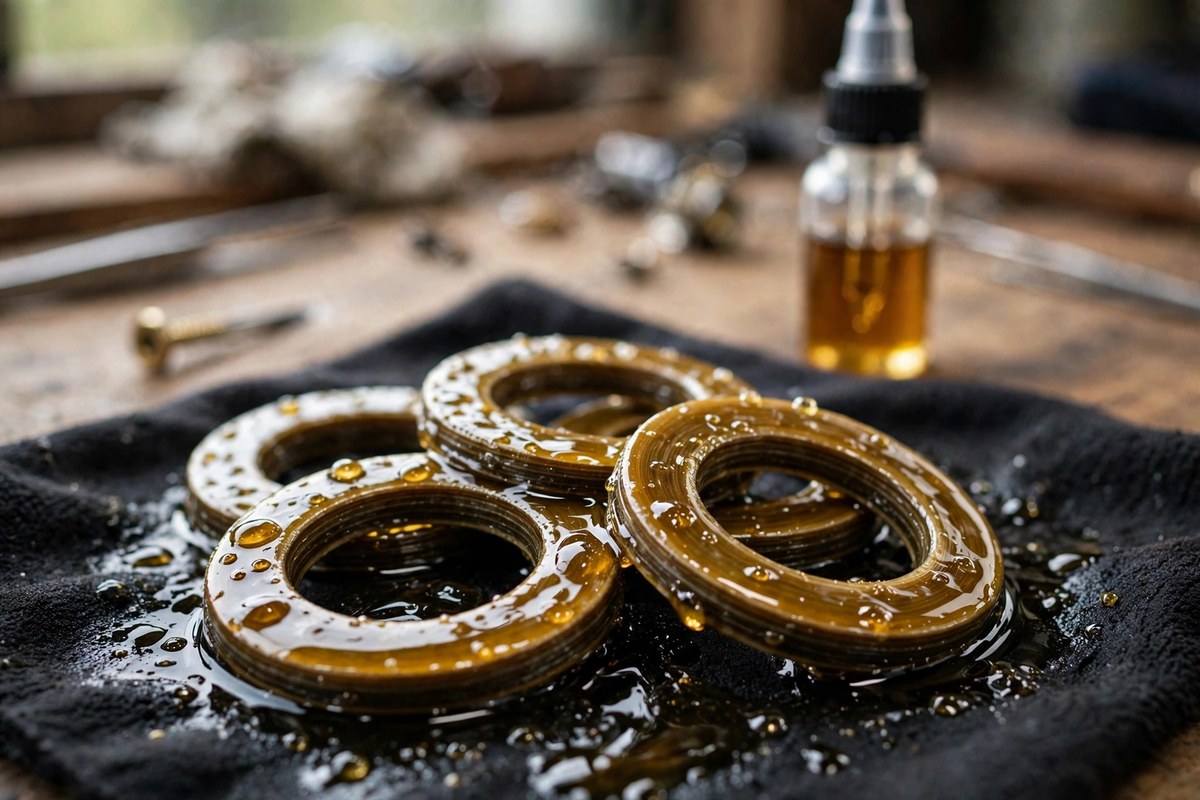
Drag washers are made to run with a thin coat of dedicated drag grease, worked in and wiped almost dry. They are not made to run in reel oil. Oil migrates: an enthusiastic oiling of bearings and shafts near the gear stack creeps into the washers, and the drag turns slippery and surge prone, weak one moment and grabbing the next. Shimano’s guidance is blunt: a washer that lacks grease should be re-greased, but a washer contaminated with oil should be replaced.
The fix: try cleaning first. Wash carbon and metal washers in warm water with a drop of dish soap or a degreaser, dry thoroughly, then apply a fingertip thin coat of drag grease (Cal’s is the standard) and wipe off the excess. Felt washers that have soaked up oil rarely recover; replace them. And keep oil away from the stack from now on: oil is for bearings, grease is for gears and drags.
Cause 4: worn or glazed washers
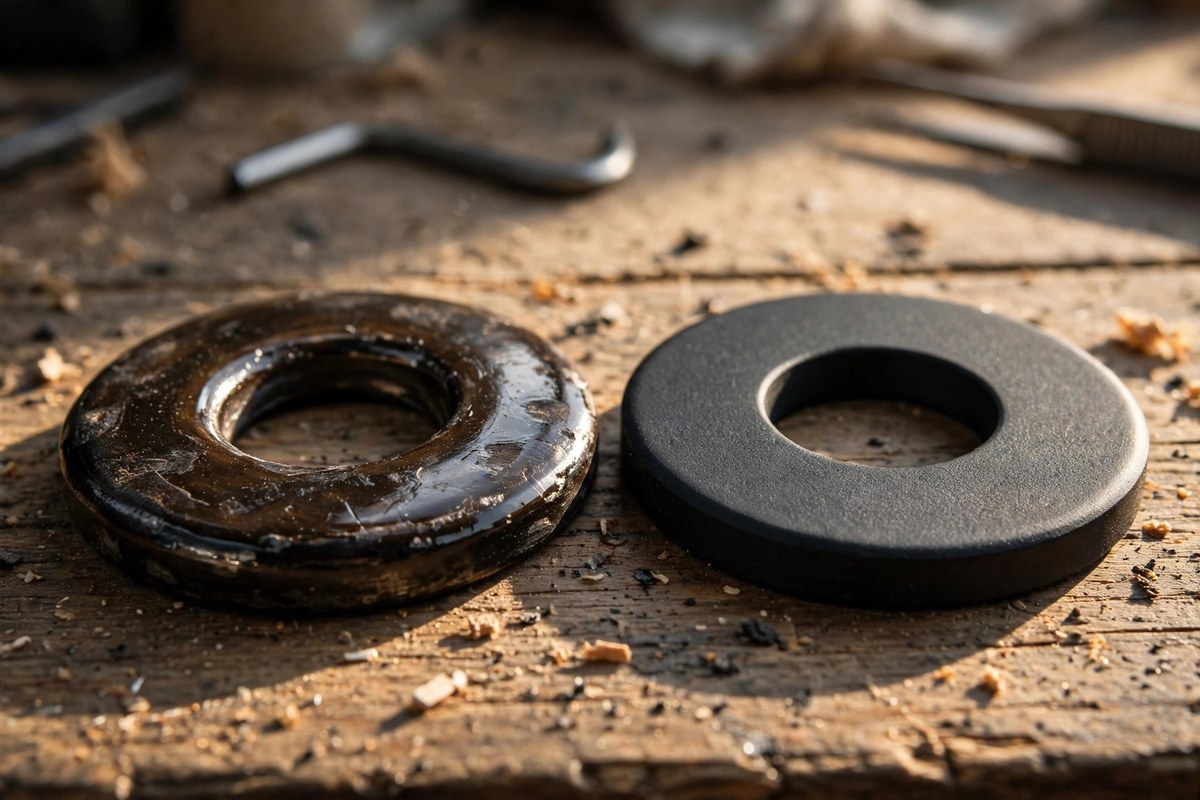
Drag washers are consumables. Felt washers compress and thin, carbon washers polish smooth and glaze, and every hard run against a tight drag wears them a little more. The drag gets weaker and less even until one day the star is at maximum and a good fish still takes line at will.
The fix: replace the set. Carbon fiber washer kits (Carbontex is the best known) are made to measure for specific reel models, cost only a few dollars, and often leave the drag smoother and slightly stronger than stock. Fit them in the same order as the originals, with the same thin coat of drag grease. If your reel’s drag has never been serviced and the reel is several seasons old, this plus Cause 5 is the likely story.
Cause 5: flattened spring washers
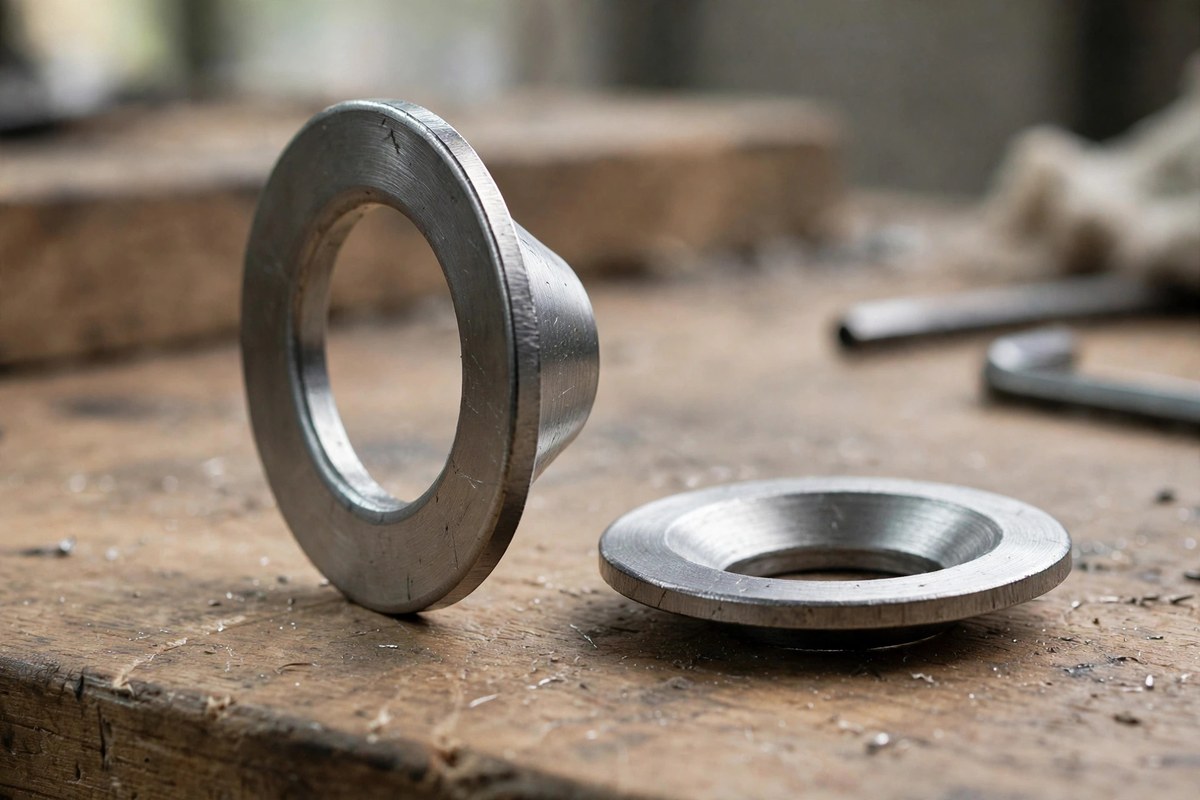
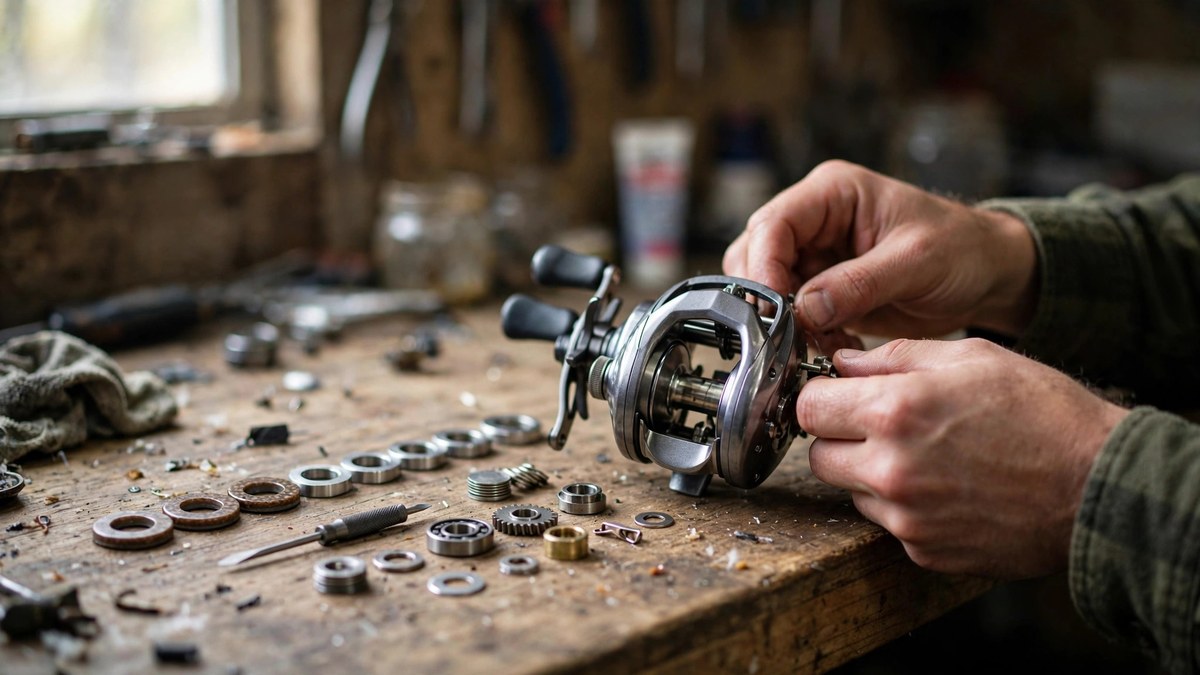
Between the drag star and the drag stack sit curved spring washers (Bellevilles). They are the spring in the system: they convert the star’s last turns into rising pressure and give the drag its progressive feel. Left under compression for months, stored with the drag cranked down, they slowly take a set and flatten. The star then bottoms out before full pressure is reached, and maximum drag falls away even though the drag washers themselves are fine. Reel technicians see this constantly on reels stored tight, and it is why the storage habit in the prevention section matters.
The fix: replace the spring washers (they are cheap and model specific), and note their orientation as they come out: pairs are fitted in a specific facing arrangement, commonly shown as ()(), and refitting them flat or reversed changes the drag curve. While you are in there, check nothing else in the stack has gone missing.
Cause 6: the stack went back in wrong
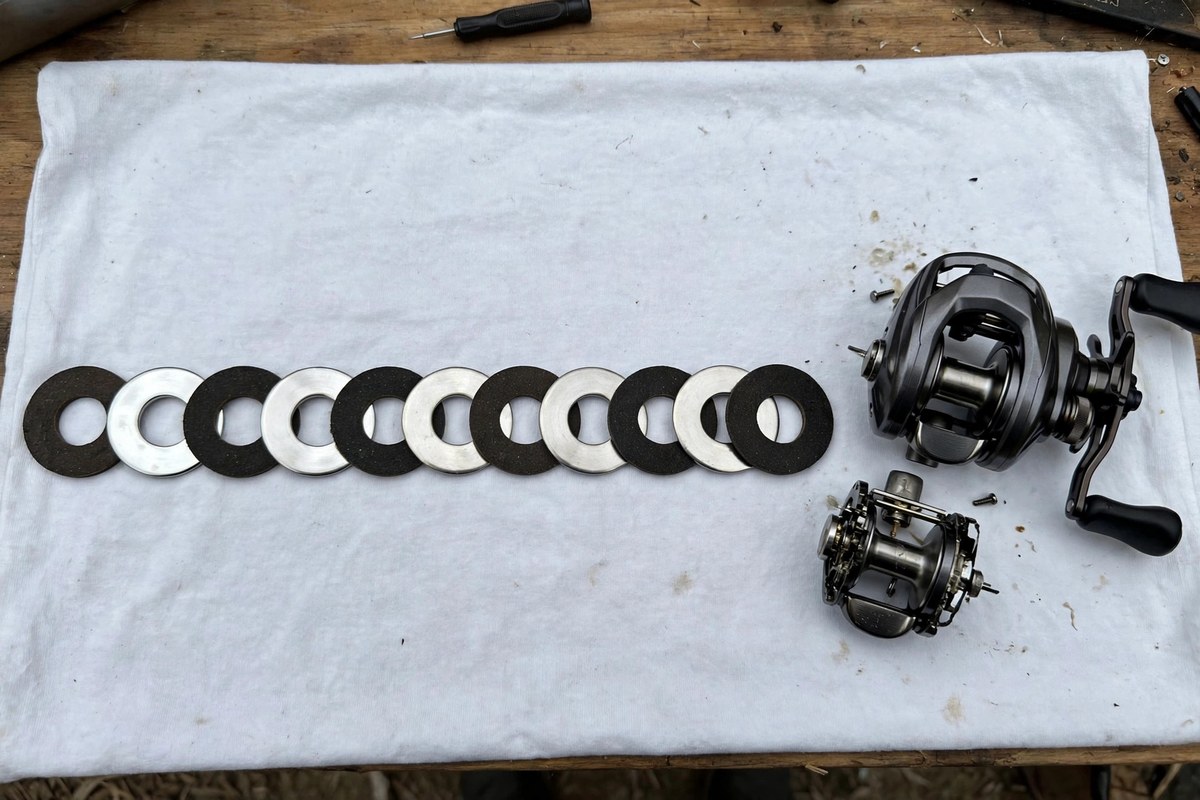
If the drag was fine before a service and wrong immediately after, do not buy parts yet. A baitcaster drag stack is a sandwich of friction washers and metal washers, some keyed to the main gear shaft, some eared into the gear, in a set order. One washer left on the bench, two swapped, or spring washers flipped, and the drag will refuse to build pressure or will surge badly.
The fix: open it again and rebuild slowly against a schematic (manufacturers publish them for every model) or against the photo you took before disassembly. This is also why our baitcaster cleaning and maintenance guide insists on the lay-it-out-in-order habit. Nine times out of ten, careful reassembly is the whole repair.
Cause 7: it is the anti-reverse, not the drag
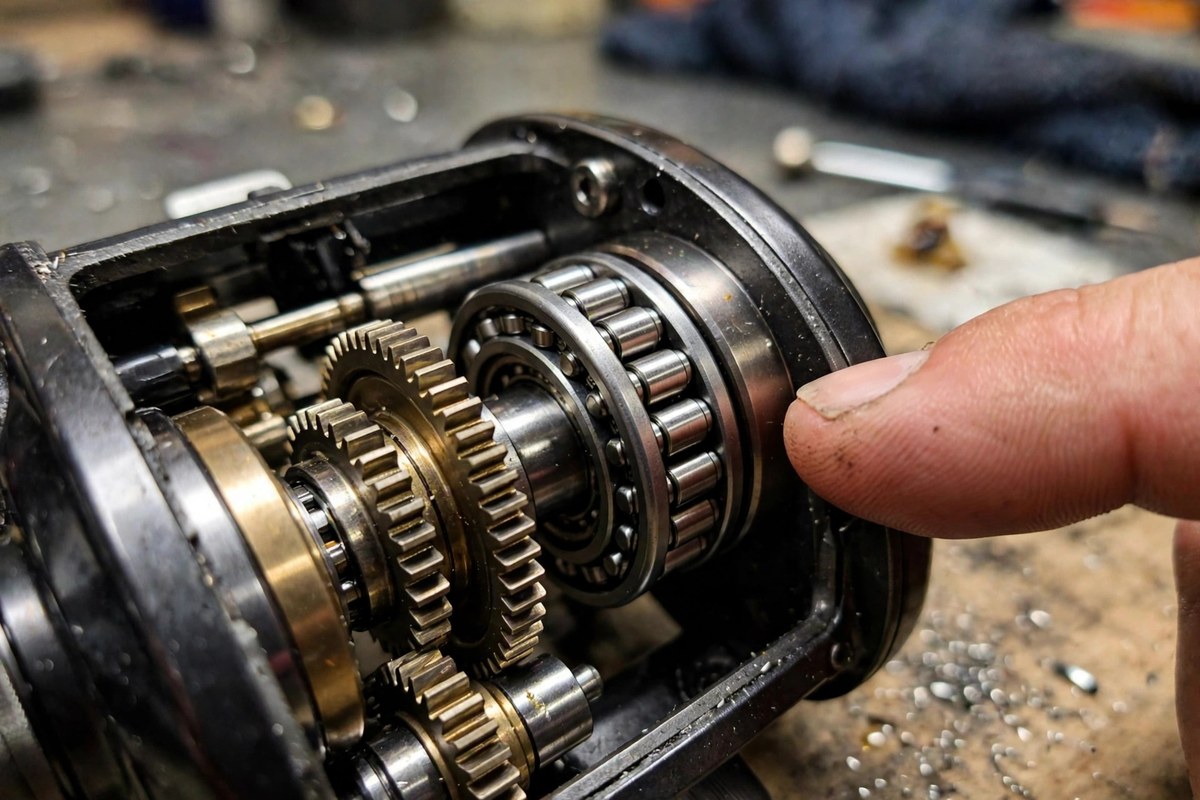
One symptom looks like drag failure and is not. If the handle itself turns backward under load, or the spool pays out line while the handle spins in reverse, the drag is innocent: the one way (anti-reverse) bearing is slipping. These bearings grip in one direction only, and they fail when their internal grease thickens, washes out, or gets contaminated with oil, which is why they often play up in cold weather or after enthusiastic oiling.
The fix: the bearing needs cleaning and the lightest possible re-oil, or replacement if it still slips. It is a more involved job than washers, and a good point at which a service centre earns its fee if you are not comfortable opening the reel. Do not keep fishing it: a slipping anti-reverse loses fish and can damage the drive train.
Prevention: three habits
Back the drag off in storage. Every trip, loosen the star a few turns. It costs three seconds and saves your spring washers and washer compression, the two slow deaths of a drag.
Dry before you store. A reel put away wet keeps its washers wet. Loosen the drag, let it air dry, and the Cause 2 problem mostly disappears.
Grease the drag, oil everything else. Keep the two lubricants in their lanes and Cause 3 never happens. For the rest of the reel’s care routine, including the level wind problem covered in our level wind troubleshooting guide, small habits beat big repairs every season.
Most of these fixes need nothing more than a screwdriver, a photograph of the stack, and patience. If you get the reel open and find cracked gears, a bent shaft, or corrosion inside the drive train, that is past drag troubleshooting: close it up and send it to a service centre with a clear conscience. And if your drag turns out to be healthy and simply mis-set for the technique, settings guides like our Tatula SV TW brake settings chart and the drag discussion in our jerkbait reels guide will help you set up the rest of the system properly.
FAQs
Why does my baitcaster drag slip even when it is fully tightened?
Most often the drag is not slipping at all: braided line is spinning around the spool arbor because it was tied straight to the spool without mono backing or tape. If the drag itself is at fault, the causes in order are wet or oil contaminated washers, worn or glazed washers, and flattened spring washers that can no longer apply full pressure.
How do I test whether it is the drag or the line slipping?
Tighten the drag fully. Hold the spool still with your thumb on the line and spool together, and turn the handle. If line pulls off while the spool cannot rotate, the whole line pack is spinning on the arbor. That is line slip, and no drag adjustment will fix it.
Can drag washers be cleaned, or do they have to be replaced?
Contaminated washers can often be saved: remove the stack, wipe or wash the washers clean, dry them completely, and refit with a thin coat of proper drag grease on carbon and felt washers. Replace them if they are worn thin, glazed shiny, torn, or stay weak after cleaning. Replacement carbon washer sets are inexpensive and model specific.
Should drag washers be run wet or dry?
Carbon and felt drag washers are designed to run with a thin coat of dedicated drag grease, such as Cal’s, spread evenly and wiped almost off. What they must never have is reel oil: oil makes them slip and surge, and Shimano’s own service guidance is to replace an oil contaminated washer.
Why did my drag get weaker after I cleaned the reel?
Almost always reassembly. The drag stack went back in the wrong order, a washer was left out, or the curved spring washers were flipped so they no longer work as a pair. Photograph the stack as it comes apart, and rebuild it in exactly that order and orientation.
Does storing a reel with the drag tightened damage it?
Over time, yes. The curved spring washers behind the drag star slowly take a set and flatten, and the drag washers stay compressed. The result is a reel that cannot reach its old maximum drag. Back the drag off after each trip; it is the cheapest drag maintenance there is.
Affiliate disclosure: baitcastingreelz.com is reader supported. When you buy through links on this page we may earn a commission at no extra cost to you. Diagnostic steps follow manufacturer service guidance (Shimano and Daiwa troubleshooting references) checked in October 2026.