Troubleshooting
This guide is for a specific frustration: the reel that used to launch lures and does not anymore. Nothing about your casting changed; the reel did. Lost distance is nearly always mechanical, and the causes form a short list: spool bearings, line level, dug in line, and settings that drifted. Work through these six in order. Most anglers find their problem in the first three, and most fixes cost nothing but ten minutes.
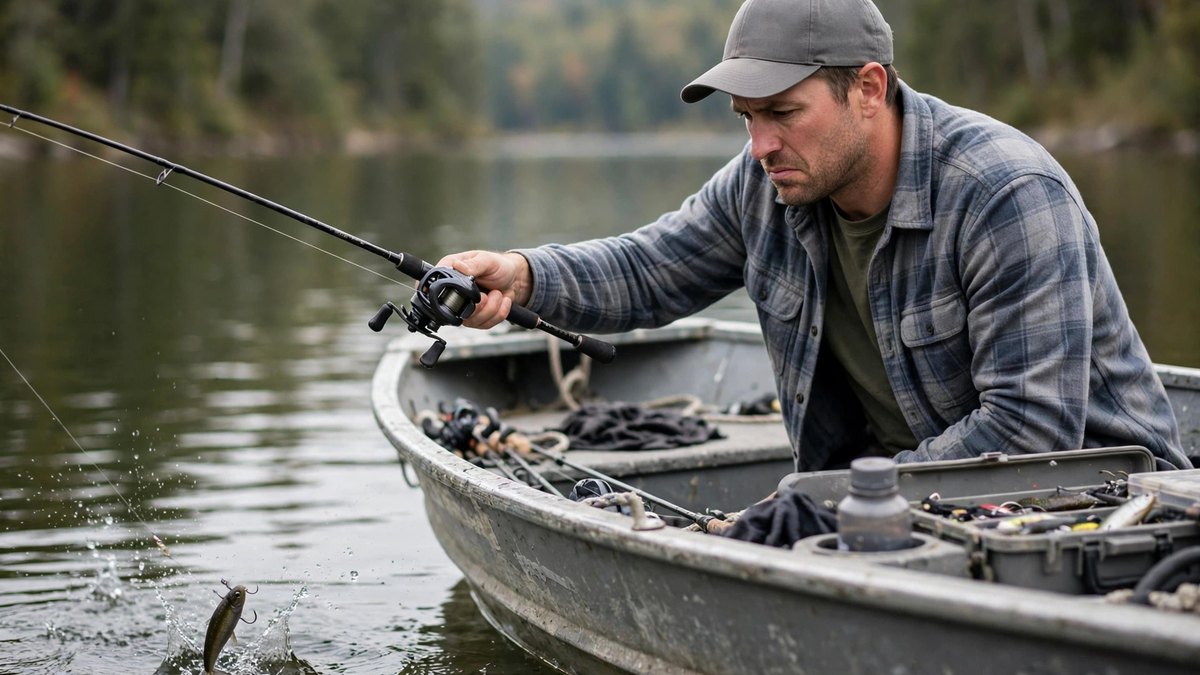
Two 10 second checks before anything else: (1) Brakes to minimum, thumb bar down, flick the spool with a finger. It should spin freely for many seconds and wind down slowly and quietly. A quick stop, grit, or a tick means the spool assembly needs attention (Causes 1, 2 and 5). (2) Look at the line level. If the line sits well below the spool’s beveled edge, you have already found a major cause (Cause 3).
In this guide
- Read the symptom: sudden or gradual?
- Cause 1: spool bearings dry or dirty
- Cause 2: spool bearings over-oiled
- Cause 3: the spool has quietly lost line
- Cause 4: line dug into itself after a backlash
- Cause 5: brakes or tension crept up, or a dirty brake track
- Cause 6: old line with memory, or heavier line than before
- FAQs
Read the symptom: sudden or gradual?
| How the distance went | Most likely cause | Go to |
|---|---|---|
| Suddenly, right after picking out a backlash | Line buried under itself | Cause 4 |
| Suddenly, right after you oiled the reel | Too much oil in the spool bearings | Cause 2 |
| Suddenly, no obvious event | Brake dial or tension knob got bumped | Cause 5 |
| Gradually over a season | Bearings drying out | Cause 1 |
| Gradually over a season | Spool slowly losing line, or line ageing | Causes 3 and 6 |
Cause 1: spool bearings dry or dirty

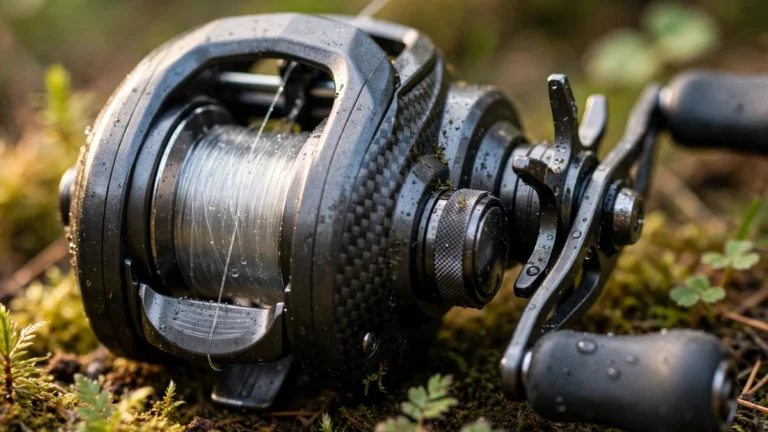
Three bearings decide how freely your spool spins: one in the palm side cover, one on the spool shaft, and one under the tension knob, as Lew’s own casting distance guide lays out. They live a hard life at the spool’s speed, and their oil dries and dirties with use. As they drag, the lure spends its energy overcoming friction instead of pulling line, and distance bleeds away a few yards at a time. This is the classic gradual loss.
The fix: clean the three spool bearings (a solvent soak and a spin dry), then exactly one drop of light bearing oil in each. Lew’s is explicit about the dose: one drop at a time, then test cast. If a bearing still feels gritty on a fingertip spin after cleaning, it is worn, and replacing spool bearings is neither hard nor expensive.
Cause 2: spool bearings over-oiled
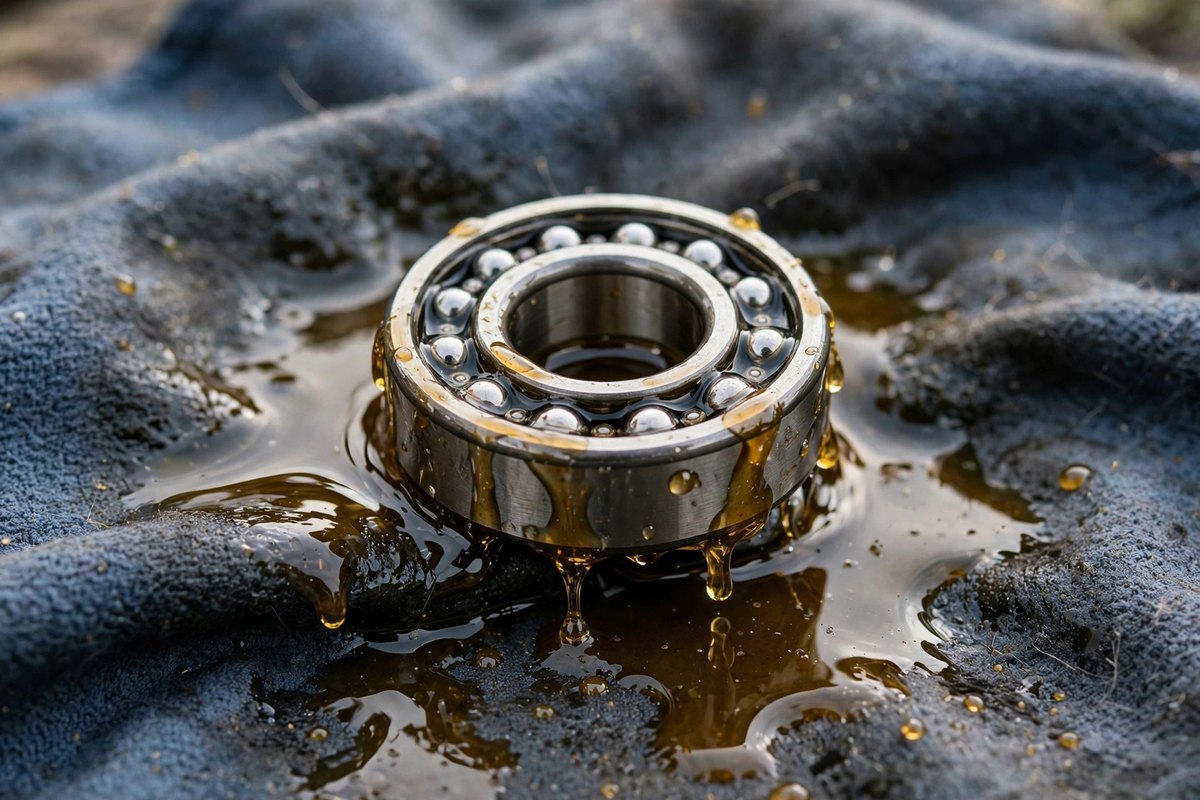
The mirror image of Cause 1, and just as common. A bearing flooded with oil does not spin freely: the excess oil creates hydraulic drag inside the bearing, in Lew’s own words, and slows the reel down. The tell is timing: the reel cast beautifully until the day you gave it a thorough oiling, and has been sluggish ever since. Kind intentions, wrong result.
The fix: the bearings have to be cleaned out and started over. Flush or soak them clean, dry them completely, and re-oil with a single drop each. If you are mid-season and do not want a full clean, even blotting and spinning out the excess improves things, but the proper reset is clean bearings plus one drop.
Cause 3: the spool has quietly lost line
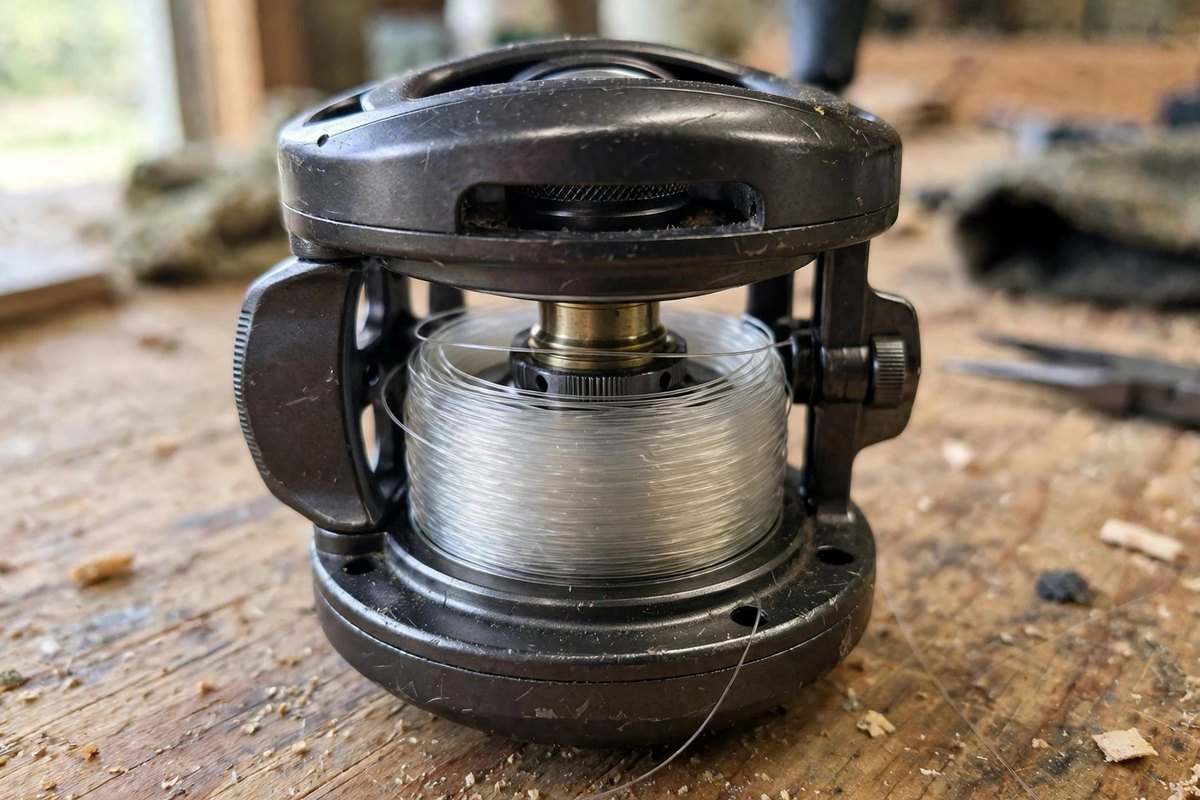
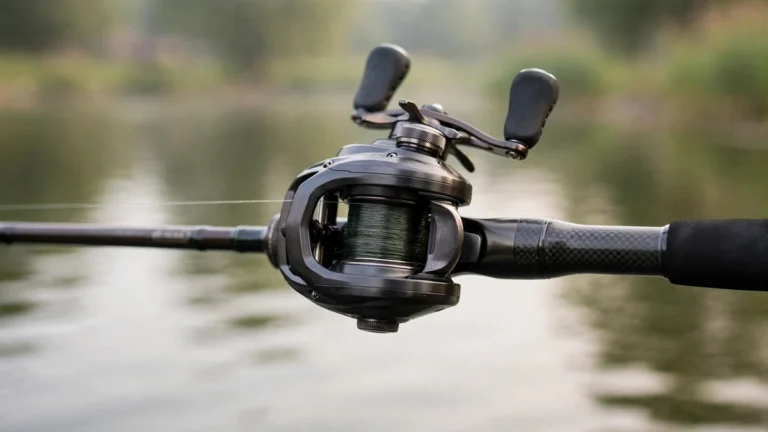
Nobody notices this one happening. Every retie costs a few feet. Every backlash you cut out costs a few yards. A season later the spool that started a finger’s width below the edge is sitting deep, and the geometry has turned against you: a low spool has a smaller effective diameter, so each revolution releases less line, and the line drags over a deeper lip on its way out. Lew’s puts it bluntly: a spool filled only halfway can cost half your casting distance, or more.
The fix: top the spool up, or respool, to about 1/16 to 1/8 of an inch below the beveled edge. Our guide on how to spool a baitcaster covers fill level and tension. Of every fix in this article, this one returns the most distance per minute of effort, and it is the one almost nobody checks.
Cause 4: line dug into itself after a backlash

You picked the backlash out, the reel wound back up, and it felt fine, except it never cast properly again. What happened: under the load of the next cast or the next fish, loose wraps from the backlash dug down into the spool, and line is now trapped underneath itself. On the cast, the outgoing line hits that buried section and gets yanked short, cast after cast. Lew’s flags exactly this failure and its check: after clearing a backlash, make a cast and look at whether line is sitting underneath itself before you retrieve.
The fix: strip line off by hand (walk it out in the yard or behind the boat) until you pass the dug in section and reach clean, evenly laid line, then wind it back under light tension. If the buried section is deep, a full respool under tension is faster and surer. Fishing through it guarantees more backlashes, because the trapped line grabs on every cast; our backlash prevention guide covers the settings that stop it recurring.
Cause 5: brakes or tension crept up, or a dirty brake track
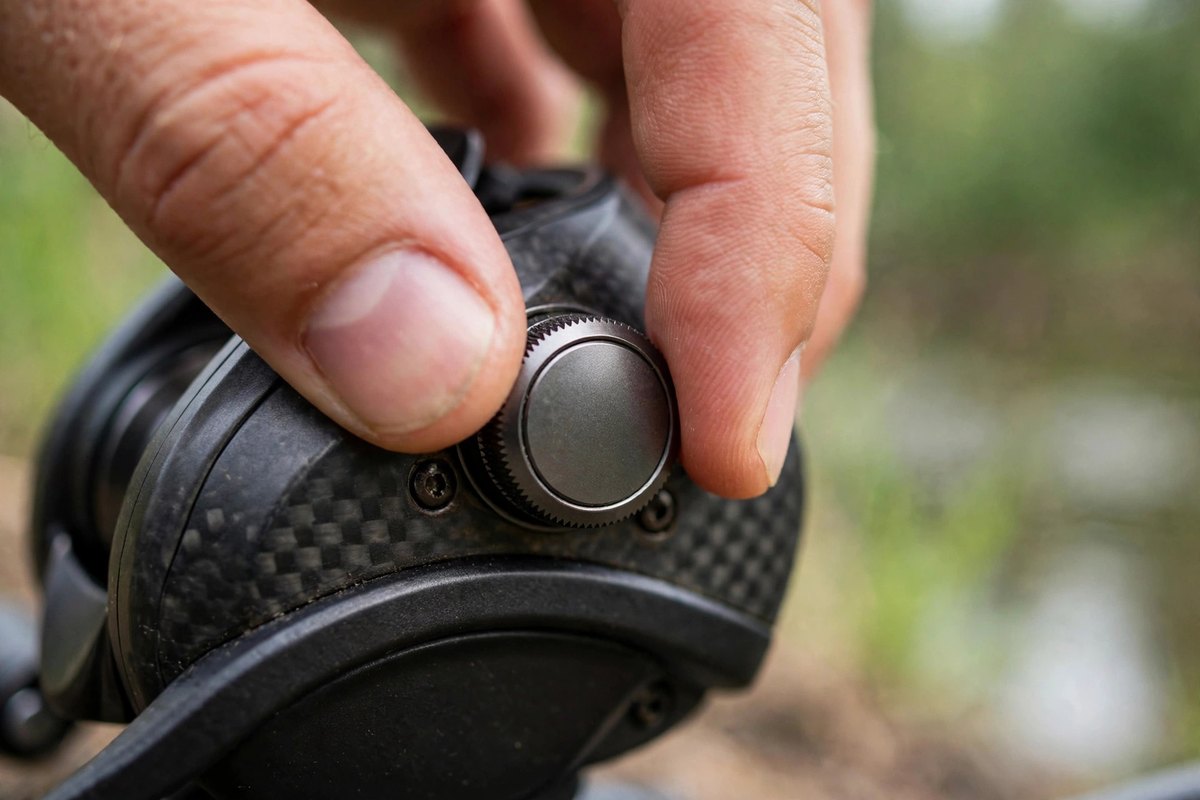
Settings are not permanent. Brake dials get knocked in rod lockers and boat bags, tension knobs get “helpfully” tightened, and centrifugal brake blocks and their track collect a film of dirt and old oil that adds friction the system never had when clean. The reel did not change; its tune did. This is why the distance vanished with no mechanical failure to find.
The fix: reset from zero. Tie on your usual lure, set spool tension by the drop test (lure falls slowly, spool stops when it lands, no overrun), then set the brakes where you actually need them rather than where they ended up: many anglers discover they have been fishing two clicks too much brake for months. On centrifugal systems, open the side plate and wipe the brake track clean and check the blocks are free moving. Our brakes guide and the SV TW brake settings chart cover the two systems in depth.
Cause 6: old line with memory, or heavier line than before

Line is a wear item. Fluorocarbon and monofilament take a set on the spool, and old line comes off in stiff coils that slap every guide on the way out, burning the cast’s energy as friction and noise. The other quiet change: a respool with heavier line than the reel used to carry, say 17 lb test where 12 used to live. Heavier line means a heavier spool to start spinning and more air and guide drag in flight.
The fix: fresh line, at the diameter the reel was casting well with, filled to the level in Cause 3. If you changed line type or weight at the same time the distance dropped, you have your answer; change back, or accept the trade for the heavier line’s other benefits with open eyes. And if the reel is due a general service anyway, our maintenance guide sequences the whole job.
The order that finds it fastest
Look at the line level (Cause 3). Flick the spool (Causes 1, 2, 5). Check for dug in line (Cause 4). Reset the settings from zero (Cause 5). Then, and only then, suspect the line itself or worn parts (Causes 6 and 1). Ten minutes, in that order, restores most “worn out” reels, because most of them were never worn out at all.
FAQs
Why did my baitcaster suddenly stop casting far?
A sudden drop usually follows an event: a backlash that was picked out but left line buried under itself, a fresh oiling that put too much oil in the spool bearings, or a brake or tension setting that got bumped in the boat or the rod locker. A gradual drop over a season points instead to drying bearings, a spool that has slowly lost line, or ageing line with memory.
How do I test my spool bearings at home?
Take the lure off, set the brakes to minimum, hold the rod level, press the thumb bar and flick the spool with a finger. A healthy spool spins freely for many seconds and winds down gradually and quietly. A spool that stops quickly, feels gritty, or ticks has a bearing or brake problem. Test again after cleaning and one drop of oil per bearing to feel the difference.
Can too much oil really slow a reel down?
Yes. Lew’s own casting distance guidance warns that over-lubricating the spool bearings creates hydraulic drag inside the bearing and slows the reel. The cure is to clean the bearings out and start again with a single drop of oil each, test casting between drops.
How full should a baitcaster spool be?
Fill to about 1/16 to 1/8 of an inch below the beveled edge of the spool, per Lew’s guidance. Line level falls during a season as you retie, cut back damaged line, and clear backlashes. A spool that is half full can cost half your casting distance, because the lure has to spin a smaller, slower effective spool and pull line over a deeper lip.
Will ceramic bearings make my baitcaster cast farther?
Only if the current bearings are worn, dirty beyond cleaning, or rough. On a reel whose distance dropped, the cause is almost always maintenance or setup: bearings, line level, dug in line, or brake settings. Fix those first; an upgrade cannot correct an over-braked or underfilled reel, and most anglers who restore the basics get their old distance back for free.
Does line choice really change casting distance?
Yes, in both directions. Thinner line is lighter and slips through the guides with less resistance, so it casts farther. Old fluorocarbon with heavy memory comes off the spool in coils that slap the guides and kill distance, and quietly upsizing line (say from 12 to 17 lb test) adds spool weight and drag. Fresh line of the diameter the reel was casting well with is a legitimate distance fix.
Affiliate disclosure: baitcastingreelz.com is reader supported. When you buy through links on this page we may earn a commission at no extra cost to you. Guidance on spool bearings, oil quantity and spool fill level follows Lew’s official casting distance support reference, checked in October 2026.